As much as we love our t-shirts, even we Southern Californians have to admit there are some occasions where short-sleeve cotton isn’t going to pass muster. But just because you’re dressing up, you don’t have to forgo customization. When you’re looking to personalize items other than t-shirts (polos, bags, button-downs, hats), your best option is to consider an embroidery quote.
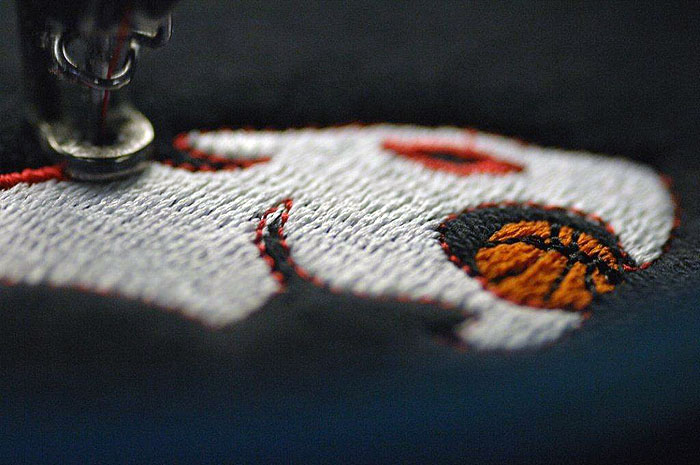
Image above: the Barudan Embroidery Machine at Embroidery Classics Calgary Alberta
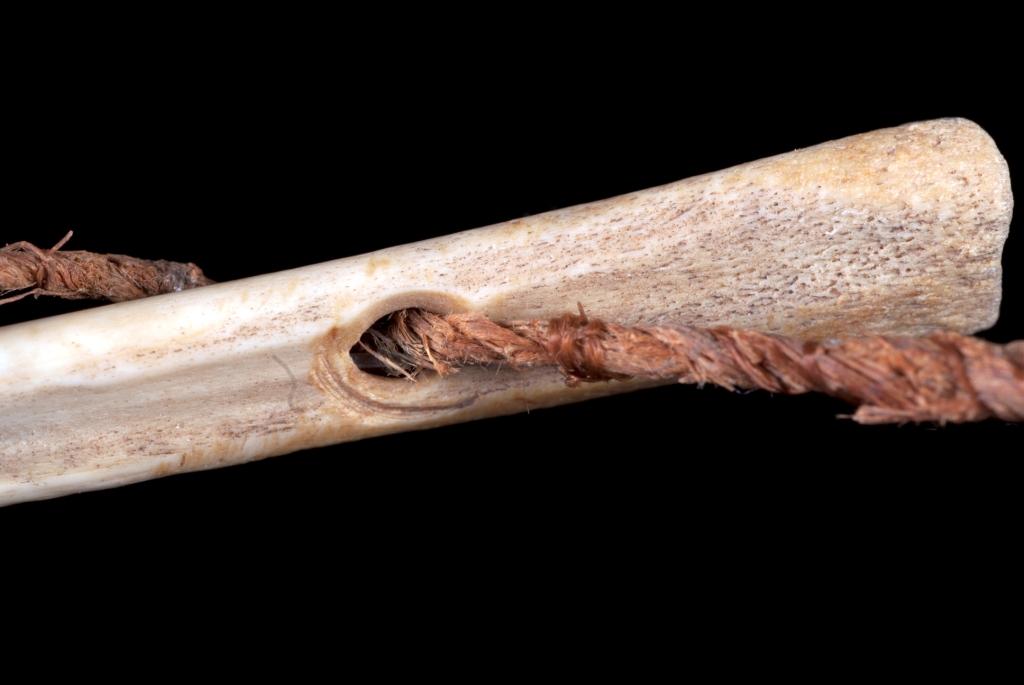
Unlike the majority of customization methods that rely on applying ink to textiles, with embroidery, you simply sew the logo or design of your choice onto anything from baseball caps to golf shirts and jackets. And this isn’t a new concept. In fact, needlework can be traced all the back to the earliest human civilizations when prehistoric bone needles would be used to sew together skins and furs in order to make clothes, shoes, tents and blankets. Since then, elaborate and intricately embroidered textiles have been a sign of wealth and status in many cultures including ancient Persia, India, China, Japan and Europe. The difficulty and in modern times the cost of completing an embroidered design has always been measured in the number of stitches required. Blankstyle has a handy stitch count estimator that will allow you to compare designs for number of stitches required to complete and help with budgeting.
Image above: Bone Needle with yucca thread from the American Southwest Virtual Museum
 For thousands of years, all embroidery was handwork, until in 1828 (before the invention of the sewing machine!) Josue Heilmann in France invented small hand embroidery machine. He wasn’t able to make a go of the business side of things, but his invention inspired numerous others to create and sell similar machines.
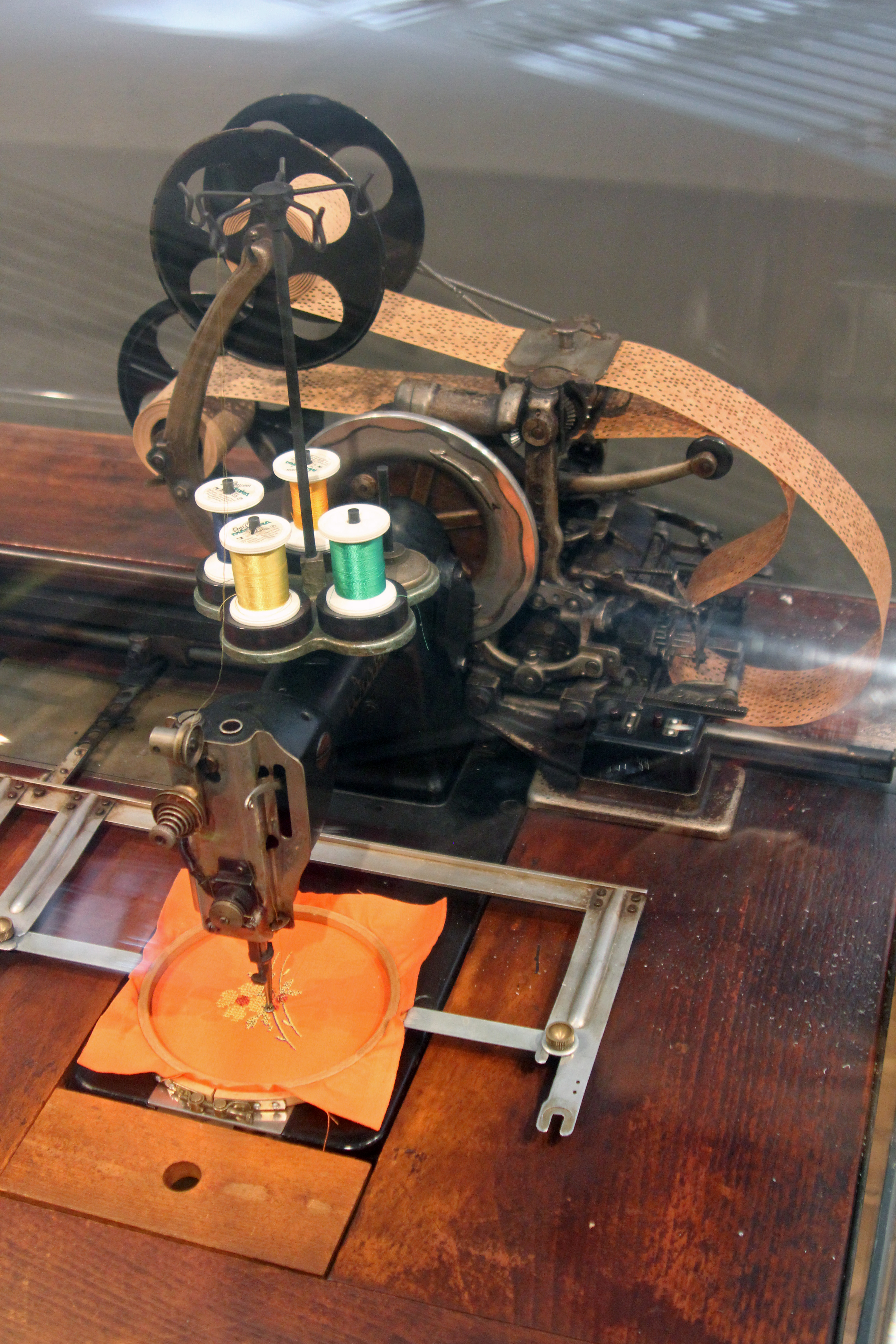
It would be another 150 years before the next embroidery revolution took place in 1980, with the invention of the first computerized embroidery machine. Prior to modern computers, most machine embroidery was completed by punching designs on a paper tape or group of cards that ran through the machine. But this modern machine utilized a design that had been pre-programed by the computer into the sewing machine.
Image above: An early punch-card embroidery machine at the German Museum of Technology
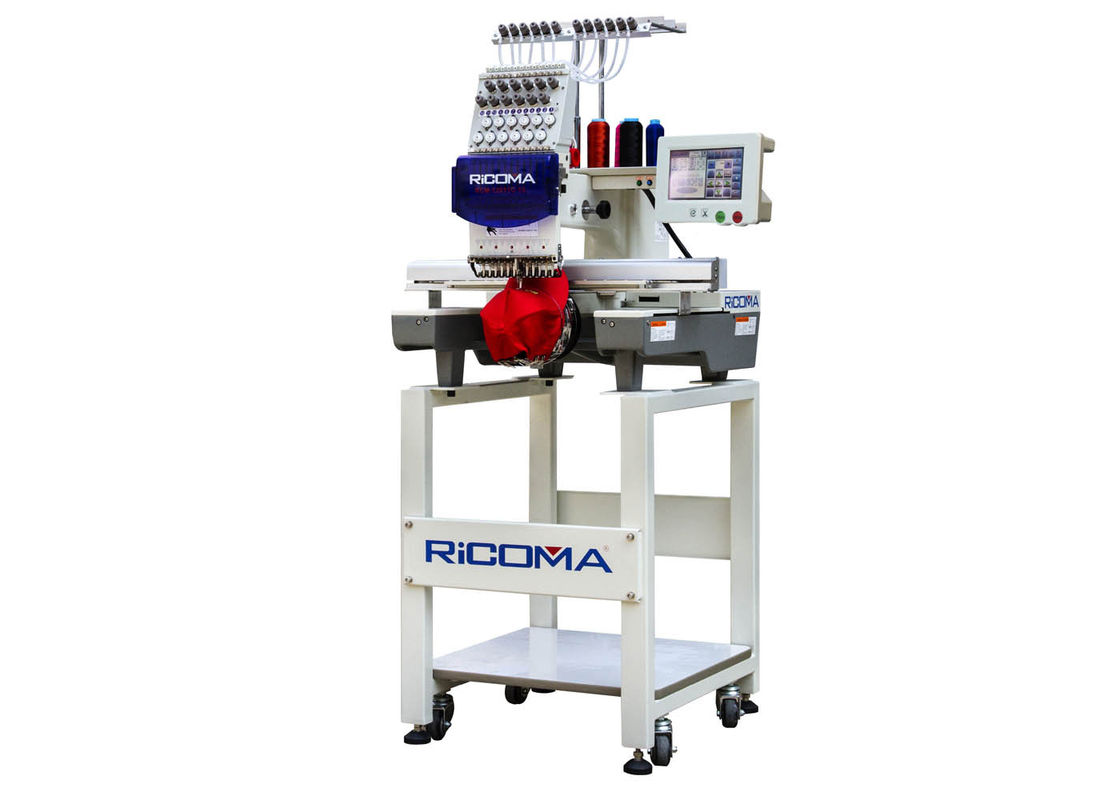
These days it’s all about the software. Contemporary embroidery is created using a computerized embroidery machine that translates the design into a digitized embroidery pattern. The machine holds the fabric taut using a hoop and the pattern is then applied to the textile using different types of fills to add texture and design to the finished piece. You can apply embroidery decoration to nearly every type of fabric.
Image above: Ricoma Embroidery Machine

 plaid button-up and the B8210 super soft flannel (click on picture for the product page). It’s a comfortable and trendy staple that’s great as a uniform shirt for a bar, grill or restaurant. The flannel is lightweight, breathable and soft. It has two chest pockets with button-down flaps, a half back yoke and adjustable cuffs.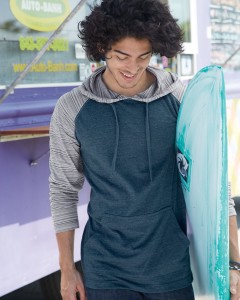
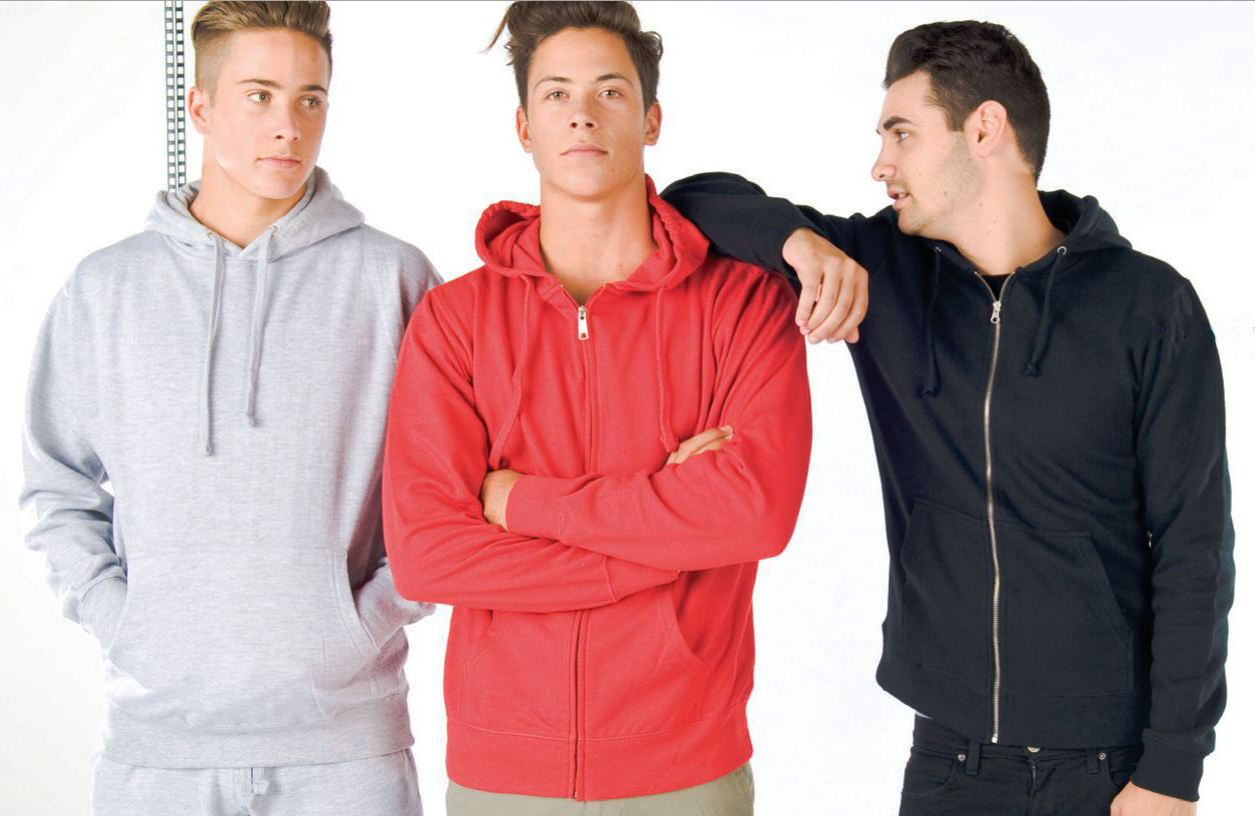
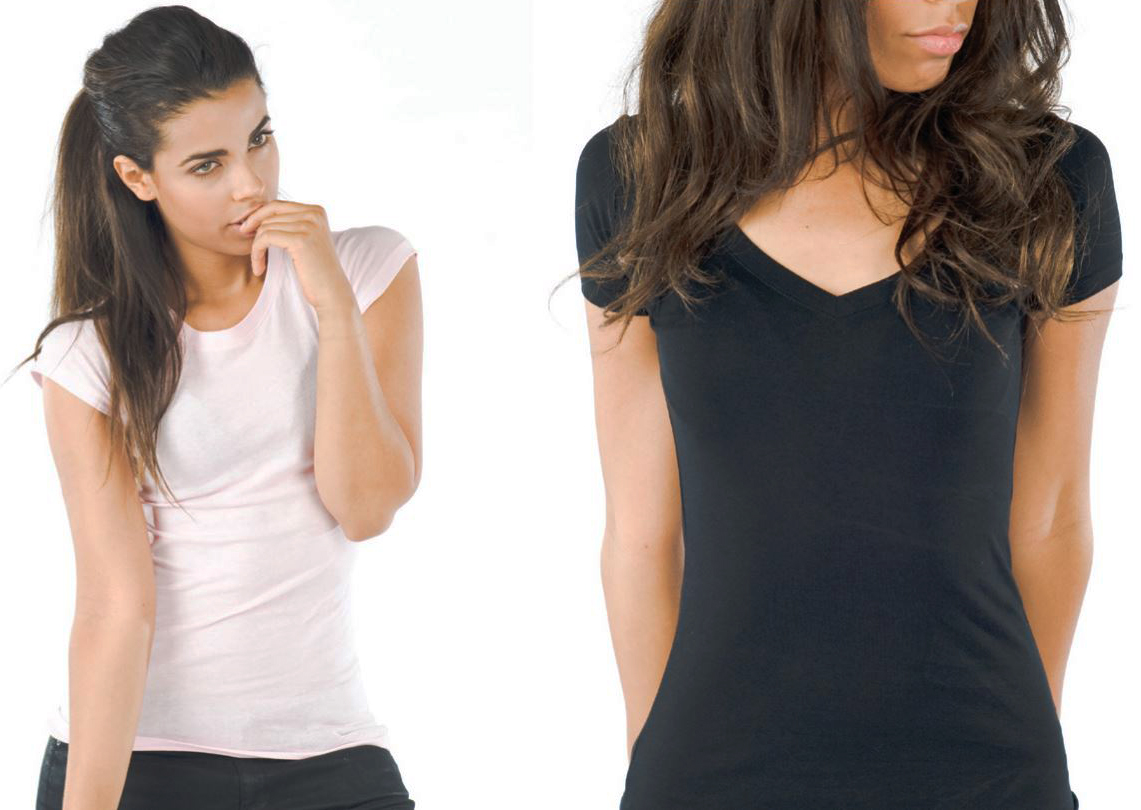
 Looking for the latest and greatest blank garments of 2015 to bring your design ideas to life? Maybe you’re trying breath new life into your band’s merch, bring your corporate apparel up to date, or start a completely new apparel venture. In any case, we’ve picked out some of our best garments that fit the bill for the new year.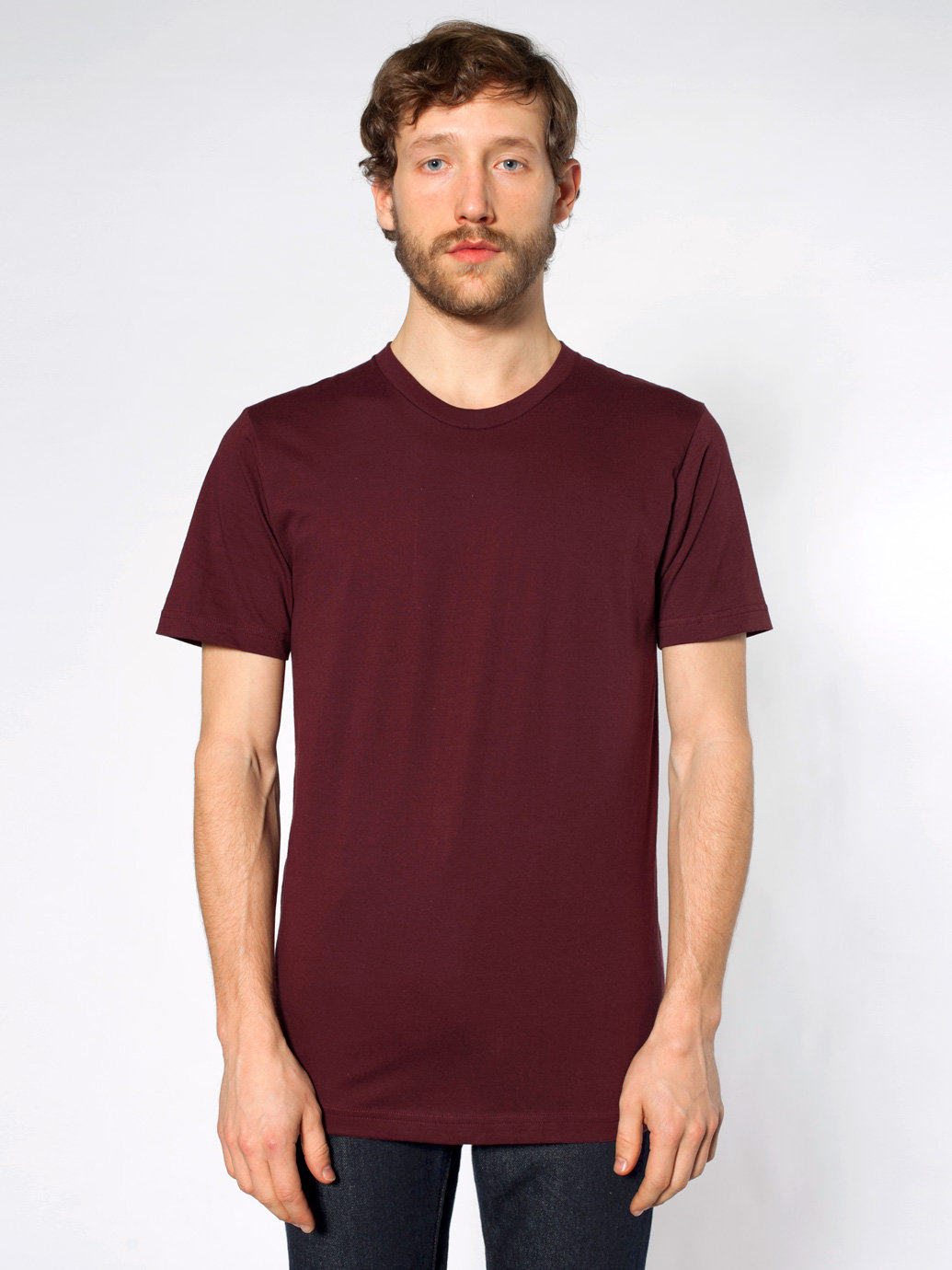

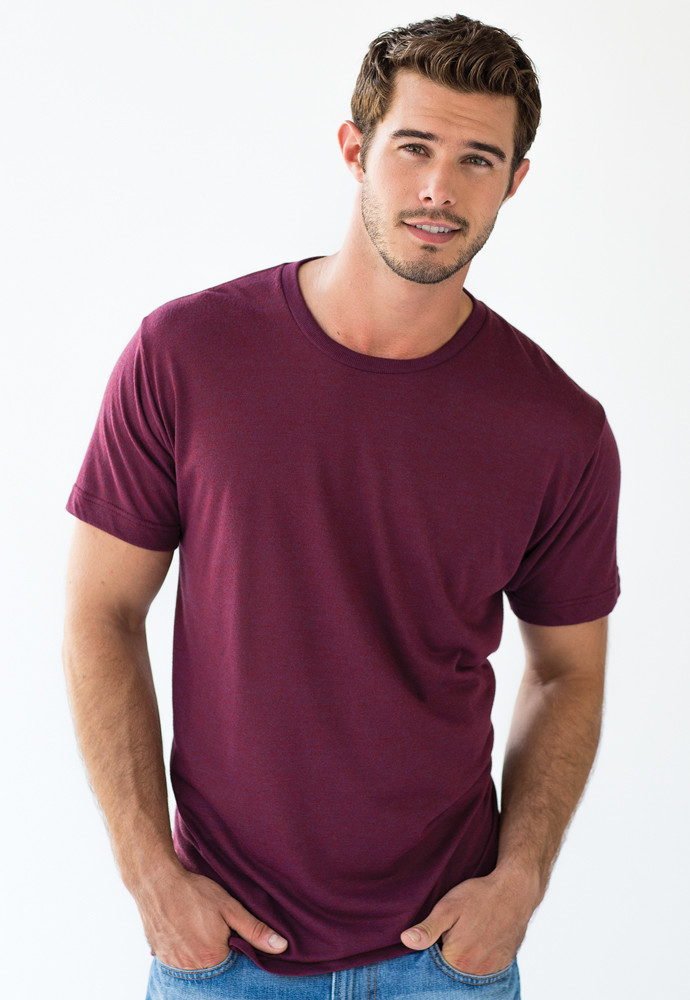
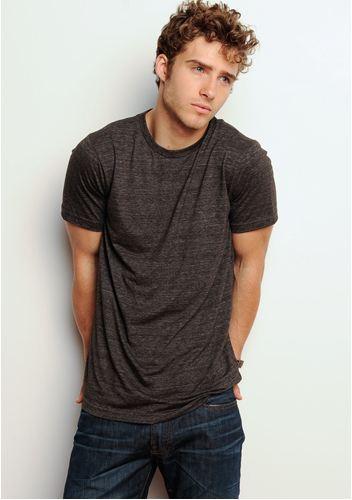
 The Tultex Corporation is part of a long tradition of American textile manufacturing. The company grew out of the Pannill Knitting Company, which was founded in 1926. As the company grew, it acquired additional textile manufacturing divisions – including yarn producing mills – allowing it to greatly increase knitting, cutting, sewing and dyeing abilities.
 and 1990s, Tultex made logo goods under the labels of companies such as Nautilus, Levi-Strauss and Nissan Trading Company.

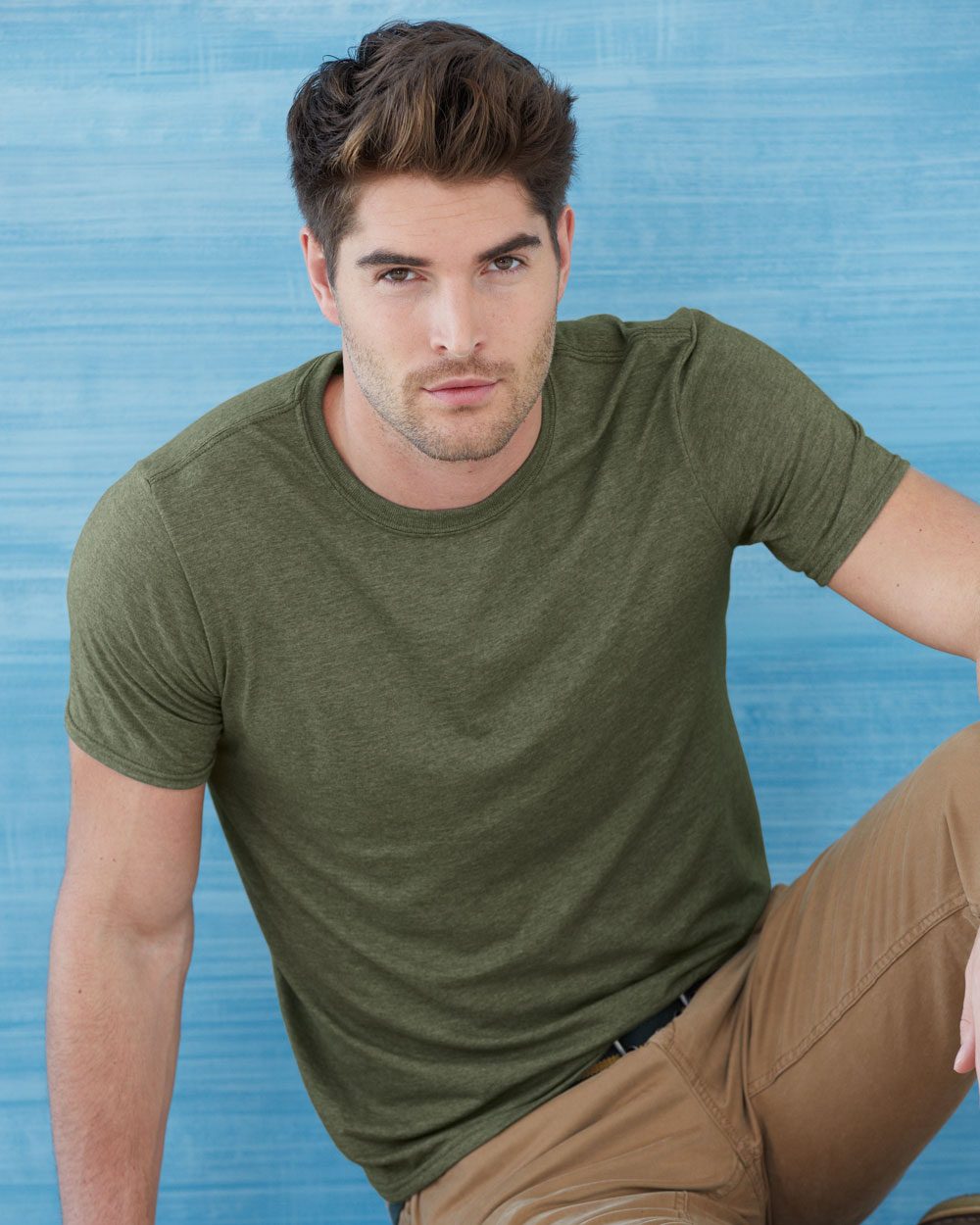
 Gildan initially became well known for their heavyweight 100% cotton t-shirts. While this fabric is Gildan’s cornerstone and still sells in extraordinary fashion, the company has developed alongside its competitors and has even expanded to take on some of the more ‘fashion-forward’ brands by introducing its
  and can’t wait to see what the future has in store for this uniquely diverse blank apparel company. In 2012, they brought us the Gildan New Mexico Bowl and in 2013, we even saw a
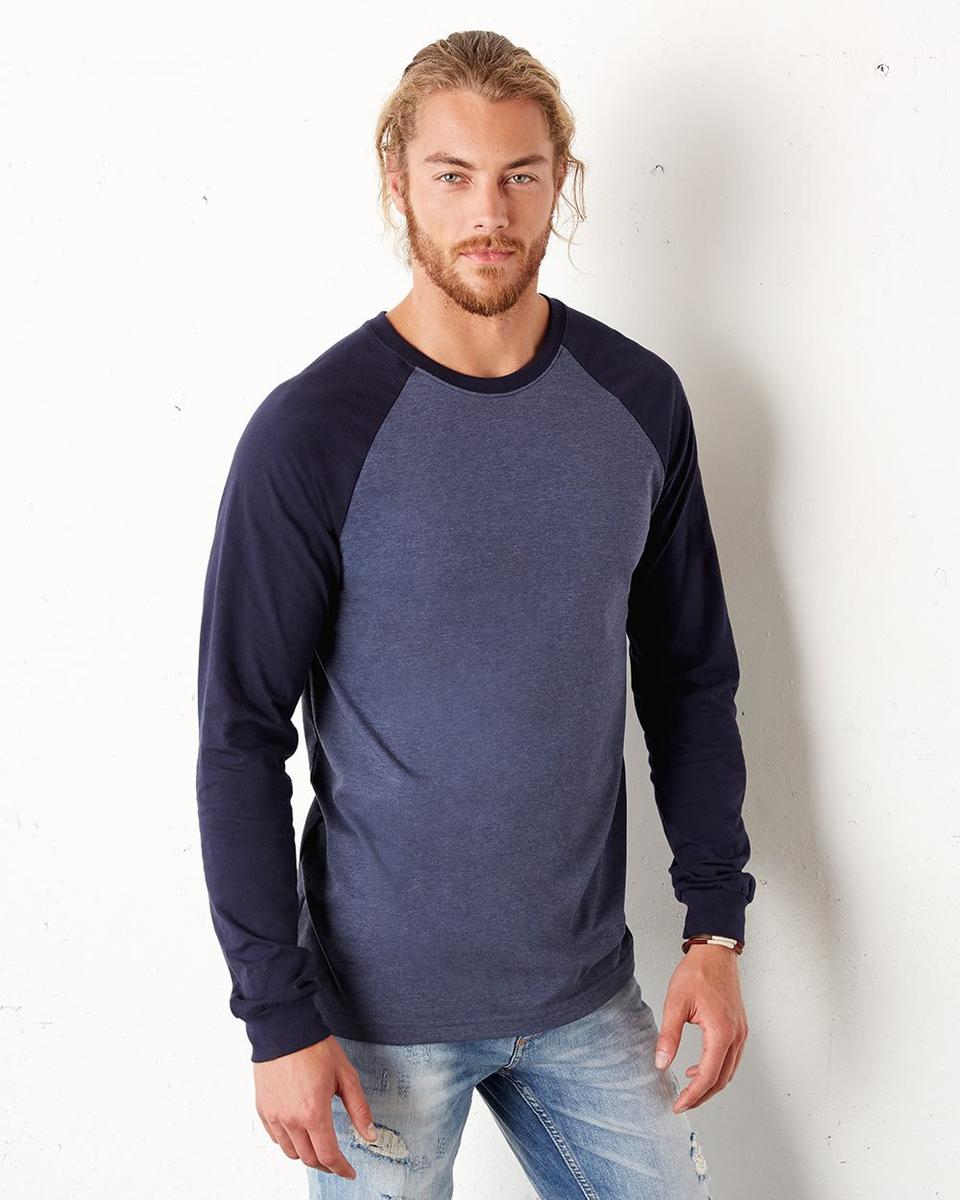
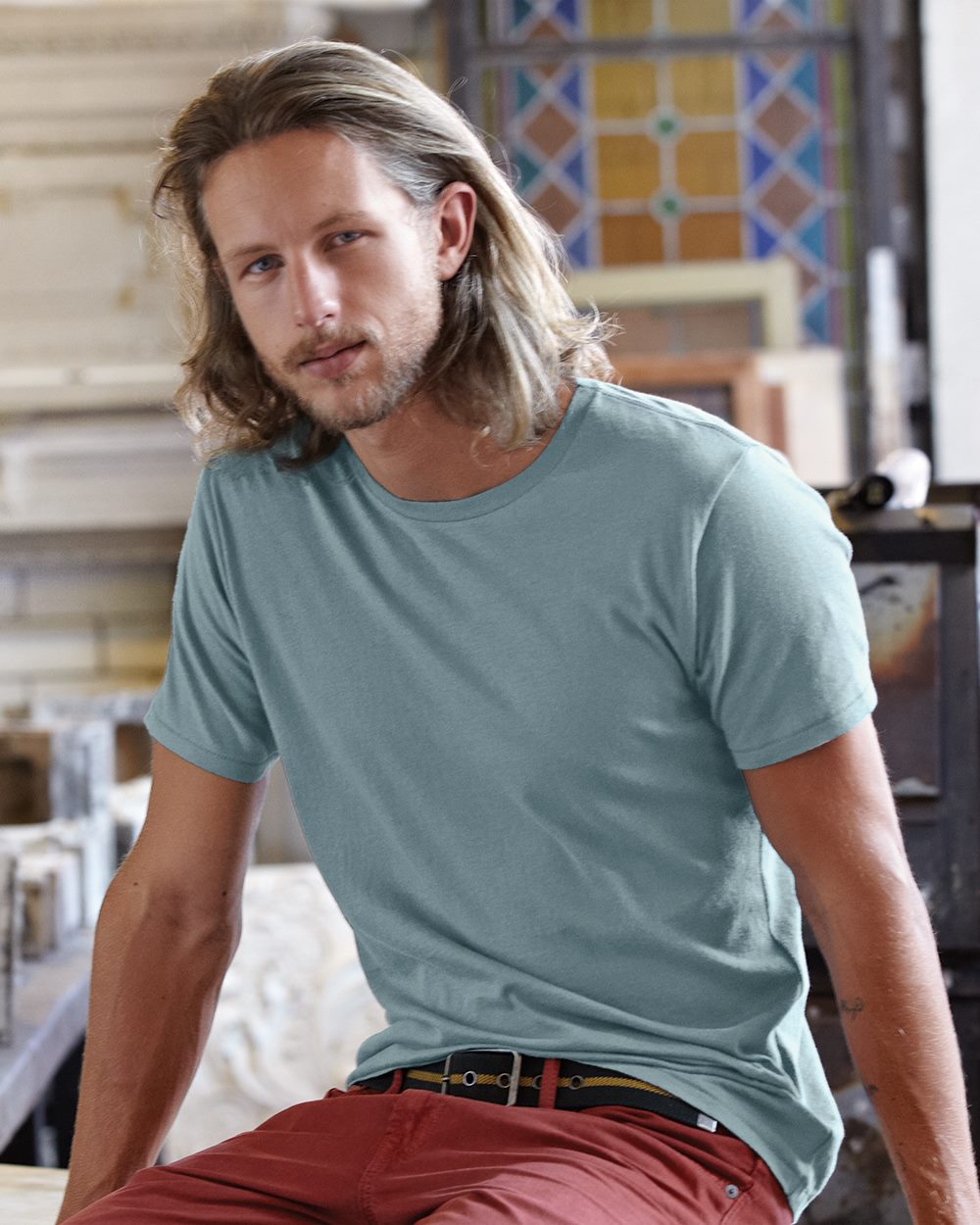
 ng. In addition to this, they have many trendy variations that demonstrate that the Alternative brand will continue to push the fashion boundaries of the blank T-shirt industry–including the