In today’s fashion landscape, sustainability is more than a buzzword—it’s a necessity. Driven by an awakening consumer consciousness, the sustainable wholesale clothing industry finds itself on the precipice of change, emphasizing ethical production and sustainable practices.
Understanding the Shift
Increasingly, the modern consumer gauges fashion choices not merely on aesthetics but on the ethical and environmental considerations underlying a garment. This evolution in buying behavior catapults sustainable and ethical practices from the peripheries of fashion discourse to its core.
Treading the Sustainable Path: Wholesalers Lead the Charge

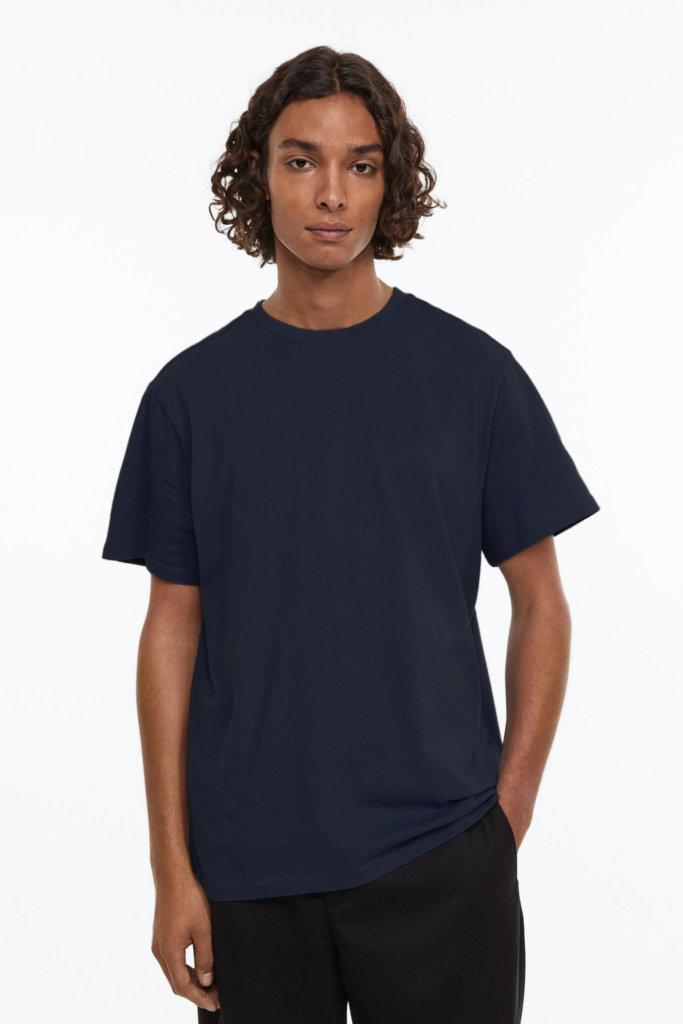
Wholesalers, situated uniquely within the fashion supply chain, are presented with a golden opportunity. Retailors can popularize garments crafted from sustainable textiles. By curating collections made of organic cotton, hemp, recycled fibers, and more, they not only minimize environmental degradation but also present a fresh, innovative product line. For instance, the Unisex EcoMax Short Sleeve Tee is a stellar example. Made from 100% recycled materials, including Airlume cotton scraps and PET bottles, it redefines garment production and epitomizes the future of fashion. The method of coloring this tee is eco-conscious, involving no water use, further amplifying its sustainable credentials.
Championing Fair Trade
Beyond mere materials, ethical fashion delves deep into human rights. By partnering with manufacturers who are staunch proponents of fair trade, wholesalers ensure that workers receive fair wages, operate in safe environments, and enjoy their due rights. This commitment not only brings about societal change but also strengthens ties within the supply chain.
The Pillar of Responsible Sourcing
For a wholesaler, sustainable fashion is as much about the end product as the journey. Ensuring materials and products are ethically sourced, devoid of harmful chemicals, and produced under ethical labor conditions is paramount. Such responsible practices resonate with a growing segment of consumers demanding transparency.
Greening Operations:
Sustainability isn’t confined to products; it permeates operations. Wholesalers can make strides by adopting eco-friendly packaging, enhancing energy efficiency, and choosing sustainable transportation methods.
Engaging the Conscious Consumer:
The meteoric rise of sustainable fashion is underpinned by a discerning consumer base. Wholesalers can cultivate lasting relationships with these consumers by transparently communicating their sustainability journey, offering insights into their product stories, and advocating the merits of sustainable fashion.
An exemplar product embodying this sentiment is the Unisex Eco Performance T-Shirt. The shirt is fashioned to keep you dry. Additionally, each tee also gives a new lease of life to four plastic water bottles, seamlessly blending performance with purpose.
Concluding Thoughts
Sustainable and ethical fashion is no fleeting fad; it’s a clarion call for change. Wholesalers stand at the vanguard of this revolution, with the power to shape the future of the fashion industry. By imbibing principles of sustainability, from eco-friendly materials and fair trade to responsible sourcing and sustainable operations, they have the potential to weave a new narrative—one where our planet thrives, workers prosper, and consumers make choices that matter.