
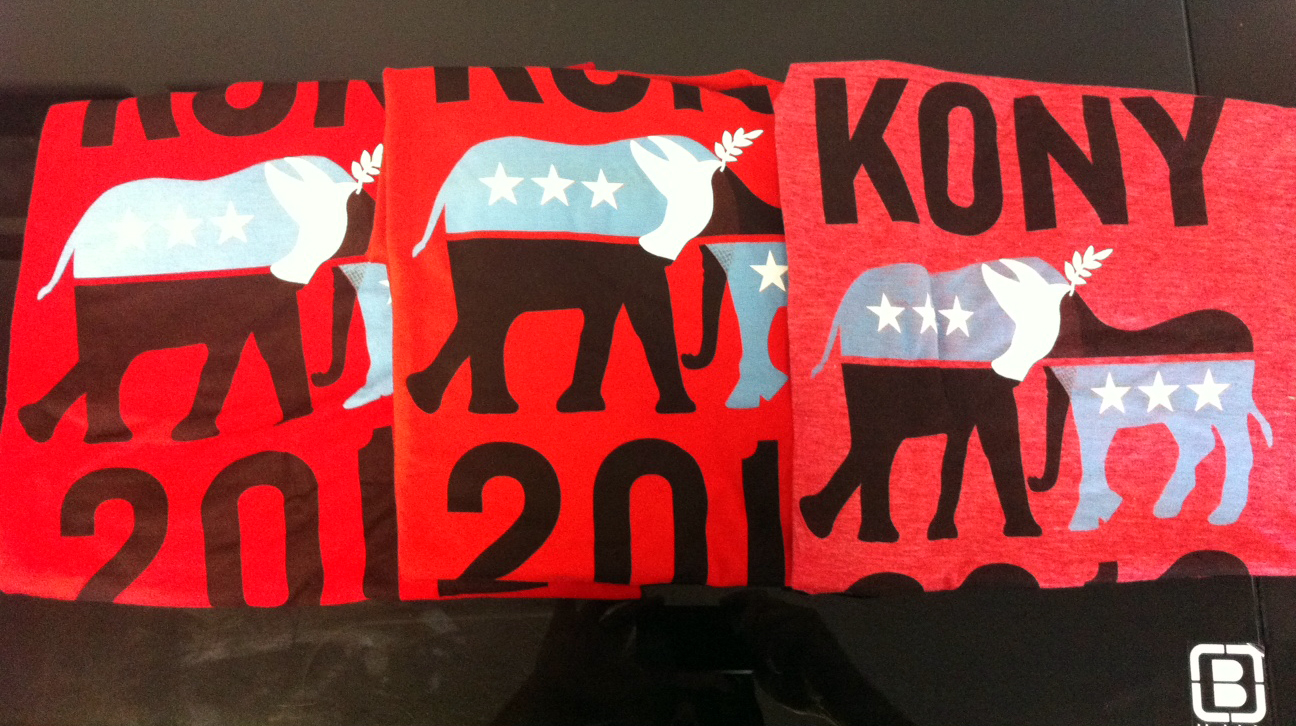
One Ink, One Print, Three Different Shirts

These three shirts feature the same water-based ink with a discharge undercoat.

What you would want to notice is the three different variations of shirts used for the same ink. The left most shirt is a 100% combed ringspun cotton t-shirt, similar to a 2001 American Apparel tee shirt. Notice how the colors seem to appear more vintage, faded out.

Now the same print is on the middle shirt which features a 100% Preshrunk HeavyWeight Cotton. Notice the vibrant color of the red shirt allows the print to stand out more and give the ink a more prominent look.

The third shirt features a heathered 65% polyester, 35% cotton red. Notice the tones are heavily faded out, you get a more vintage feel, and it definitely looks more translucent than the rest.

Considering the materials of your garments will help you decide how the outcome of your product. Whether you require an opaque look, or a relatively translucent look, these considerations are key in the design process prior to printing.

The Basics of Screen Printing (Part Three)

This installment of our Basics of Screen Printing will inform you about water-based inks and the comparison of water-based versus traditional plastisol inks.

Water-based inks are composed of water (as suggested by the name) suspended with pigments to create color. Designs for water-based inks can be printed on cotton, polyester, or poly/cotton blends. Colors in water-based inks are seen to be more vibrant, and can provide a softer, more sunk-in feel for the design printed on the shirt.

When properly cured, water-based ink printing can survive many trips through the washing machine. Here is an example of a water-based ink print:

The disadvantages of water-based inks can be that they are more difficult to cure than conventional plastisol inks. Improper handling of water-based ink prints can cause un-dried or mis-dried prints. These prints require a larger heating capacity than standard plastisol. Water-based ink print applications can also only be used on a small selection of mediums such as 100% cotton, and poly-cotton blends, whereas plastisol can be used in larger varieties of material including wicking fabrics. Also, the

When choosing the variety of inks for your t-shirt application, you have to make in-depth decisions in regards to the feel, the texture and the opacity of the coloration. When you have come to a consensus with these decisions, you can furthermore learn to choose which ink is best for you.