Launching a boutique business in the competitive world of fashion retail can be a thrilling endeavor. However, the key to success lies in making wise decisions when it comes to your suppliers, pricing strategies, and marketing efforts. In this article, we will share valuable insights and strategies for retailers looking to maximize their profit margins when selling wholesale apparel. Whether you’re just starting or looking to optimize your existing business, these tips will help you navigate the challenging fashion retail landscape.
1. Choose Your Suppliers Wisely:
One of the fundamental aspects of a successful boutique business is selecting reliable suppliers for your wholesale apparel. Avoid unreliable providers who make extravagant promises. Some dishonest vendors may even pose as manufacturers and charge exorbitant fees. To protect your profit margins, compare pricing from multiple vendors before committing to one. Building a relationship with a trustworthy supplier is crucial to ensure a long-lasting partnership based on mutual trust and shared goals.
2. Understand Profit Margin
To maximize profit margins, you must first understand what profit margin means. It’s the difference between your sales revenue and the costs associated with running your business. There are different types of profit margins, including gross profit margin, operating profit margin, and net profit margin. Understanding these metrics will help you analyze and improve your boutique’s financial performance.
Profit margins within the retail industry can significantly differ depending on the retailer’s sub-sector and the nature of their offerings.

For instance, a fashion and apparel store’s profit margins can experience substantial variations based on the category of clothing it specializes in, whether it caters to fast fashion, mid-level, or luxury goods. Comparatively, when evaluating profit margins between distinct sectors such as a clothing store and a hand-made furniture store, significant disparities emerge, despite both entities maintaining healthy margins within their respective sub-sectors or niches.
According to our data analysis, the average gross profit margin across the retail sector stands at 53.33%. Delving into a cross-industry comparison, we observe that beverage manufacturers, jewelry stores, and cosmetics retailers tend to enjoy some of the highest profit margins, boasting figures of 65.74%, 62.53%, and 58.14%, respectively. On the flip side, alcoholic beverage retailers, sporting goods stores, and electronics retailers typically report some of the lower profit margins, with figures of 35.64%, 41.46%, and 43.29%, respectively.
3. Buy in Bulk:
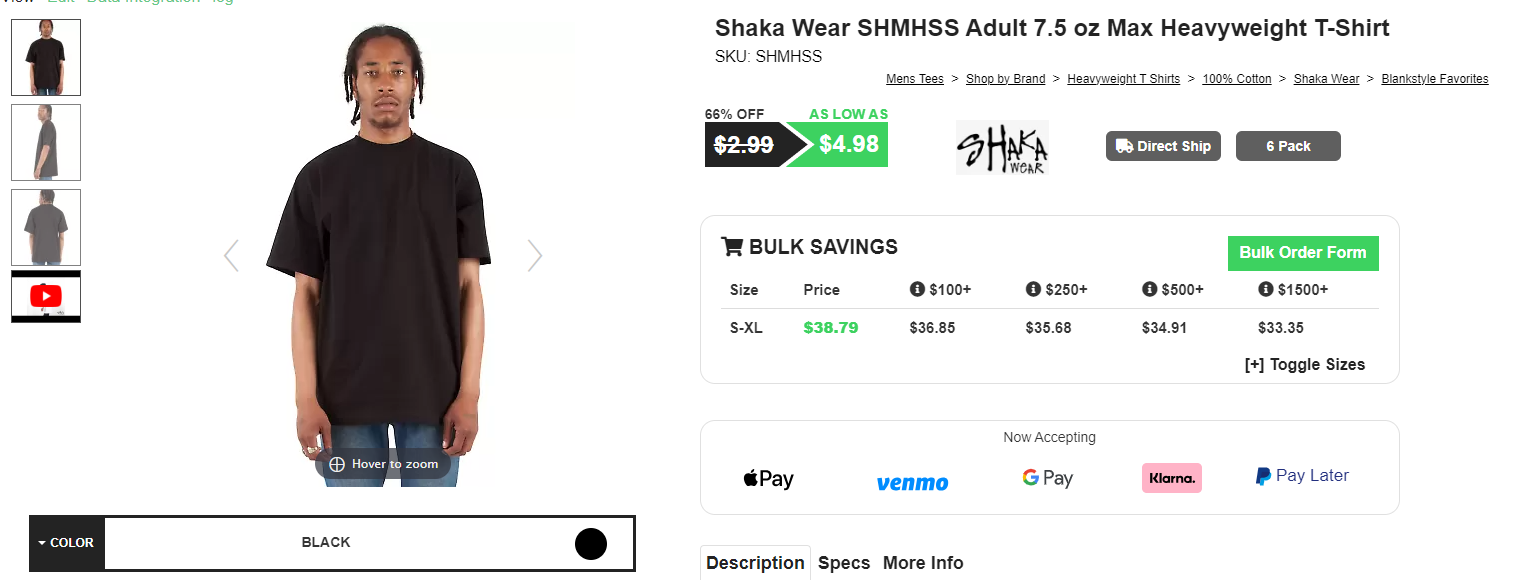
Stocking your boutique with an adequate inventory is essential to meet customer demand. Buying in bulk not only helps you secure better pricing but also ensures you have enough merchandise on hand to satisfy customer interest. This approach encourages repeat business. However, buying in bulk is only feasible if you have a dependable source with quality merchandise. Thoroughly research and investigate potential suppliers before committing to them.
4. Explore Trade Shows:
Trade shows can be an excellent way to find reliable wholesale clothing suppliers. At these events, you can meet experienced suppliers who understand the industry and can provide you with quality products. Take the time to research your options after attending trade shows and carefully consider the suppliers that align with your boutique’s goals.
5. Benefits of Buying Wholesale Clothing:
Buying wholesale clothing offers several advantages that can help maximize profit margins:
- Access to Current Trends: Wholesale wholesalers typically source their merchandise from manufacturers working on the latest fashion trends. This access eliminates guesswork in your apparel purchases and keeps your boutique in line with current fashion trends.
- Reduced Prices: Buying in bulk allows you to negotiate better prices with suppliers, leading to lower upfront costs. Wholesale suppliers offer lower prices to avoid unsold inventory. Additionally, as you order more items, the cost per unit decreases, potentially increasing your profit margins.
Conclusion:
Maximizing profit margins in the wholesale apparel business requires careful planning and strategic decision-making. Choosing reliable suppliers, understanding profit margins, buying in bulk, exploring trade shows, and reaping the benefits of buying wholesale clothing are all essential steps toward profitability.
By following these tips and implementing sound business practices, retailers can establish and grow successful boutique businesses while ensuring long-term viability and profitability. The fashion retail industry is competitive, but with the right strategies, you can thrive and offer your customers the latest trends at attractive prices.