In a world where entrepreneurship is often associated with flashy offices, venture capital funding, and extravagant perks, it’s easy to get swept up in the allure of quitting your day job to chase startup dreams. However, there’s a more pragmatic approach that allows you to build your business while keeping your reliable source of income intact. Let’s explore the middle ground of entrepreneurship through a grassroots approach and discover how branded apparel can be a game-changer for your business.
The Allure and Pitfalls of Venture Capital Funding
Sallie Krawcheck, in her thought-provoking article, rightly highlights the allure that entrepreneurship often carries. The dream of stylish offices with exposed brick walls, foosball tables, and beer on tap is tempting, but it comes at a cost. Most of these startups are funded by venture capital, and the creature comforts are financed through investments or borrowed funds.

But here’s the catch: in a venture capital scenario, you’ll find yourself working around the clock to meet the demands of your investors. There’s no time to play with the fancy toys, as the relentless pursuit of goals becomes your life. Your business, in its startup phase, can’t shoulder the burden of these luxuries on its own revenues, which might not even be substantial yet. In essence, you end up working for your investors, not for yourself.
The Grassroots Approach to Entrepreneurship
So, what’s the alternative? Keep your day job – it pays the bills and offers financial stability. Your current job was carefully designed to generate enough revenue to pay you and everyone else while minimizing losses. This stability is an asset that you can leverage.
While your day job covers your living expenses, you can embark on a grassroots campaign to build your business. It’s all about working smarter and harder, and you can achieve a lot without incurring unnecessary overhead costs. By dedicating extra time outside your job, you can create a sustainable business that can eventually support you independently.
Successful entrepreneurship boils down to return on investment (ROI). Funded ideas may have the potential for large returns, but the odds of securing funding and navigating the treacherous path without losing your company are slim. Instead, consider a more practical approach: generate a return right away and grow it steadily. This can be as simple as purchasing something at a lower cost, adding value to it, and selling it at a higher price – with the difference as your profit.
How to Make It Happen with Branded Apparel
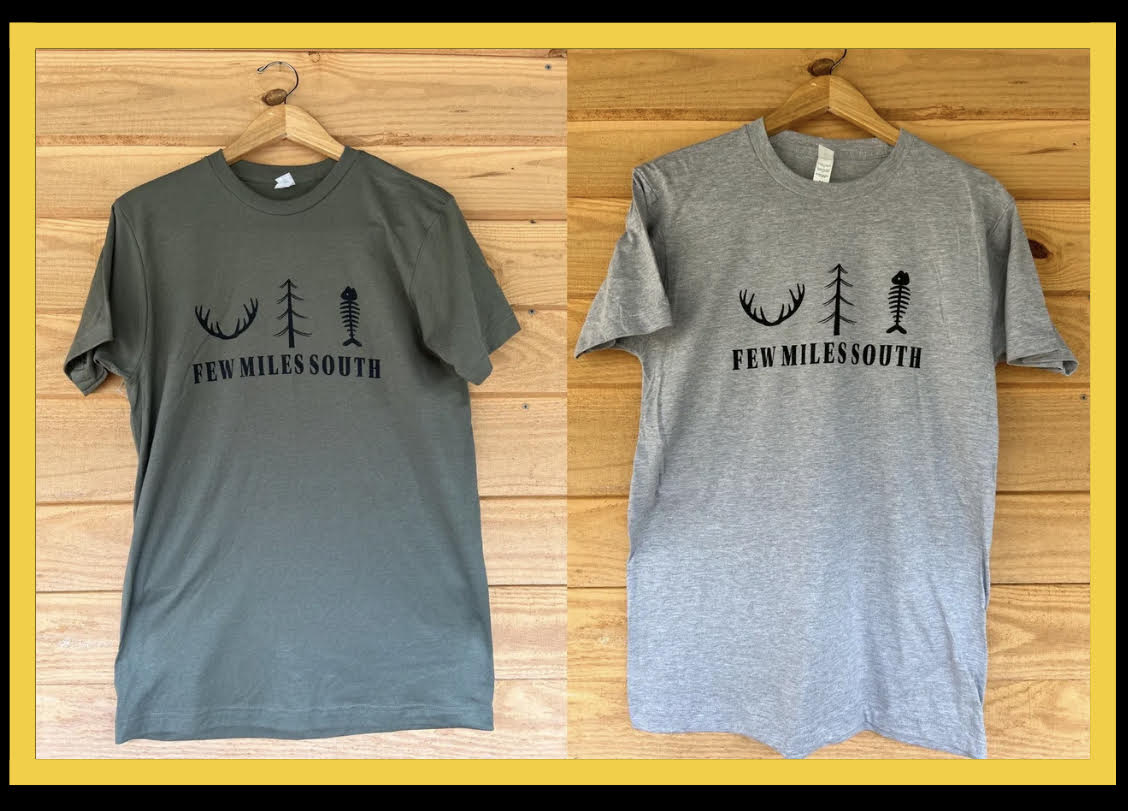
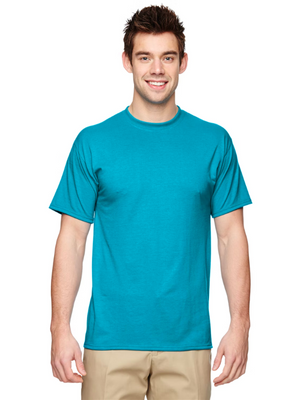
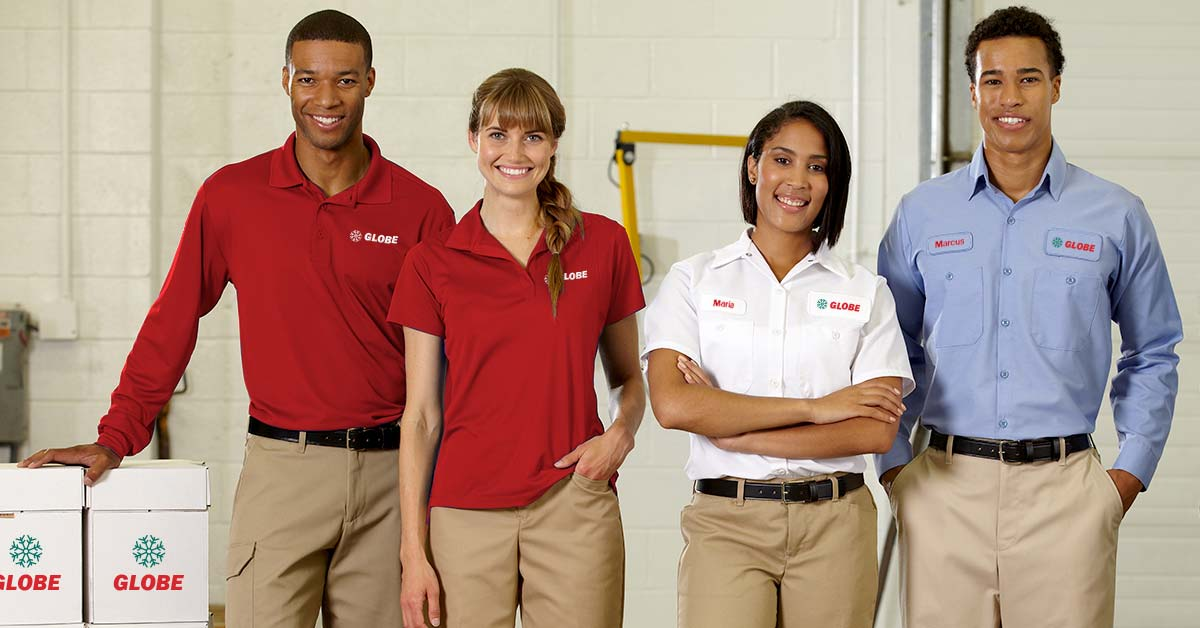
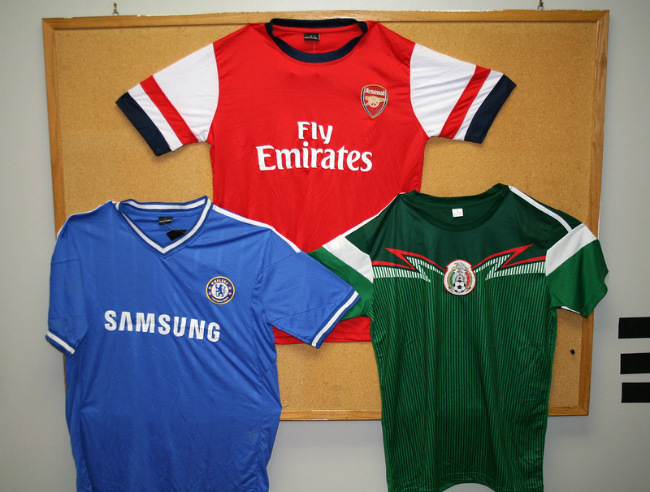
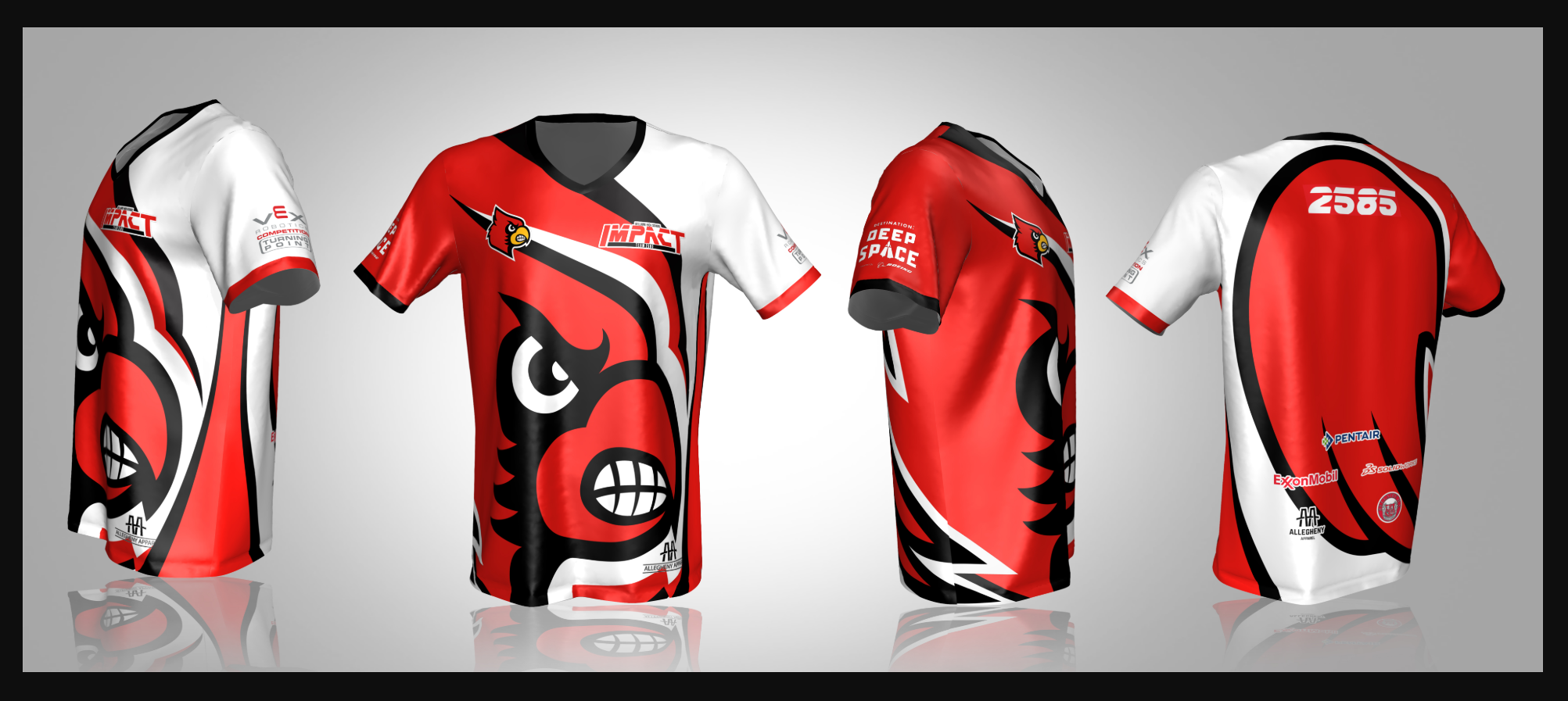
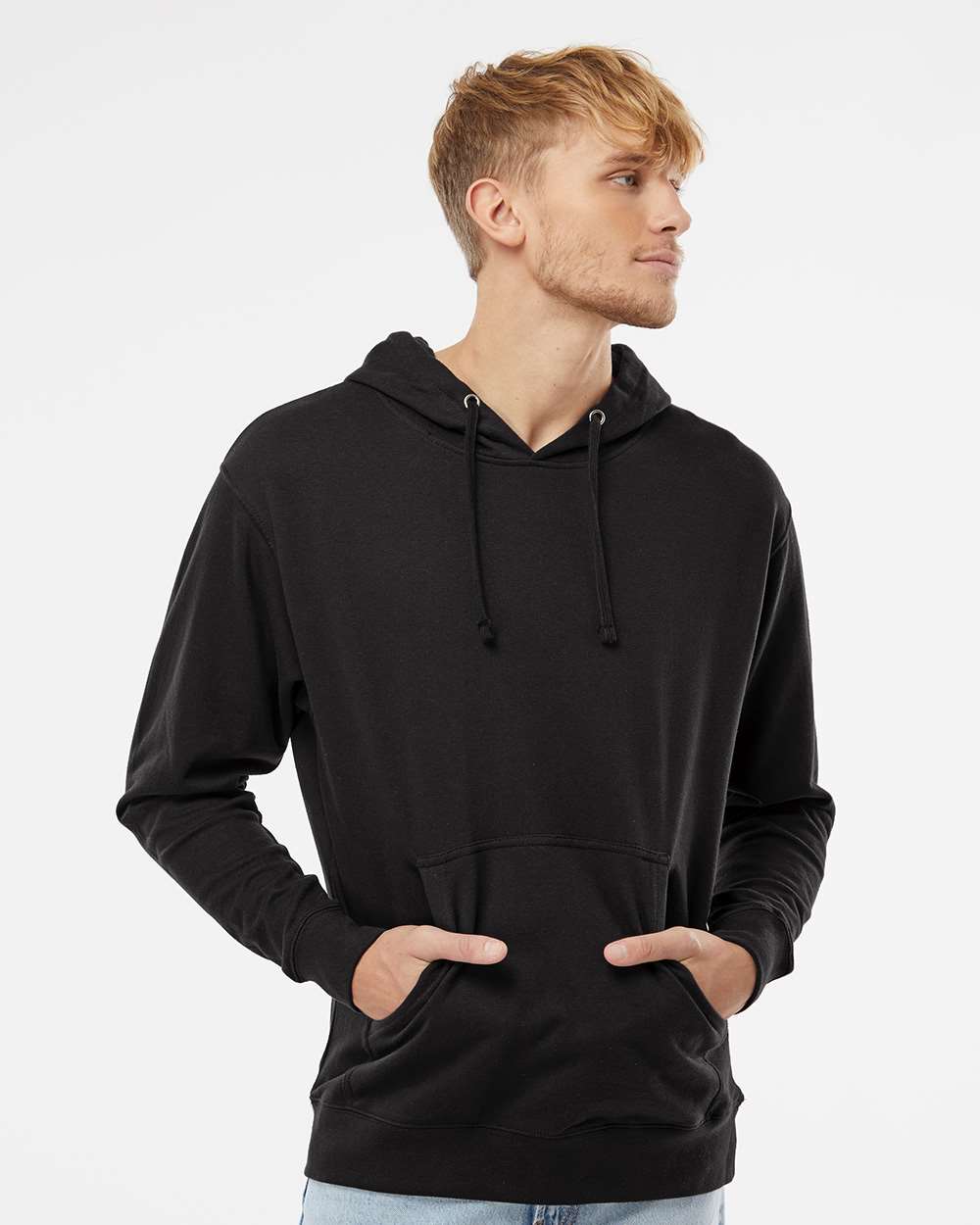
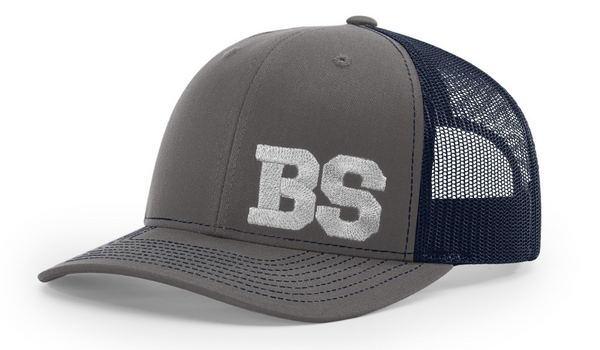
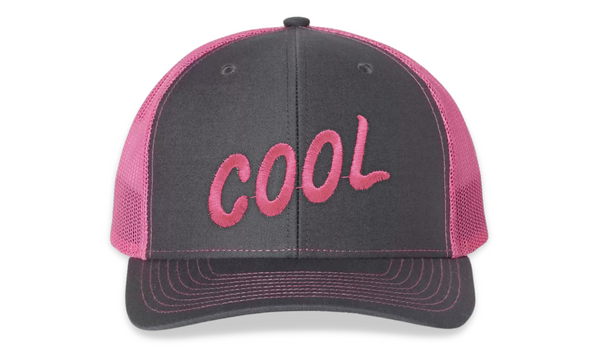
Let’s apply the grassroots approach to a specific business idea: selling branded apparel. Many people have creative t-shirt ideas they’ve yet to explore. Consider this example:
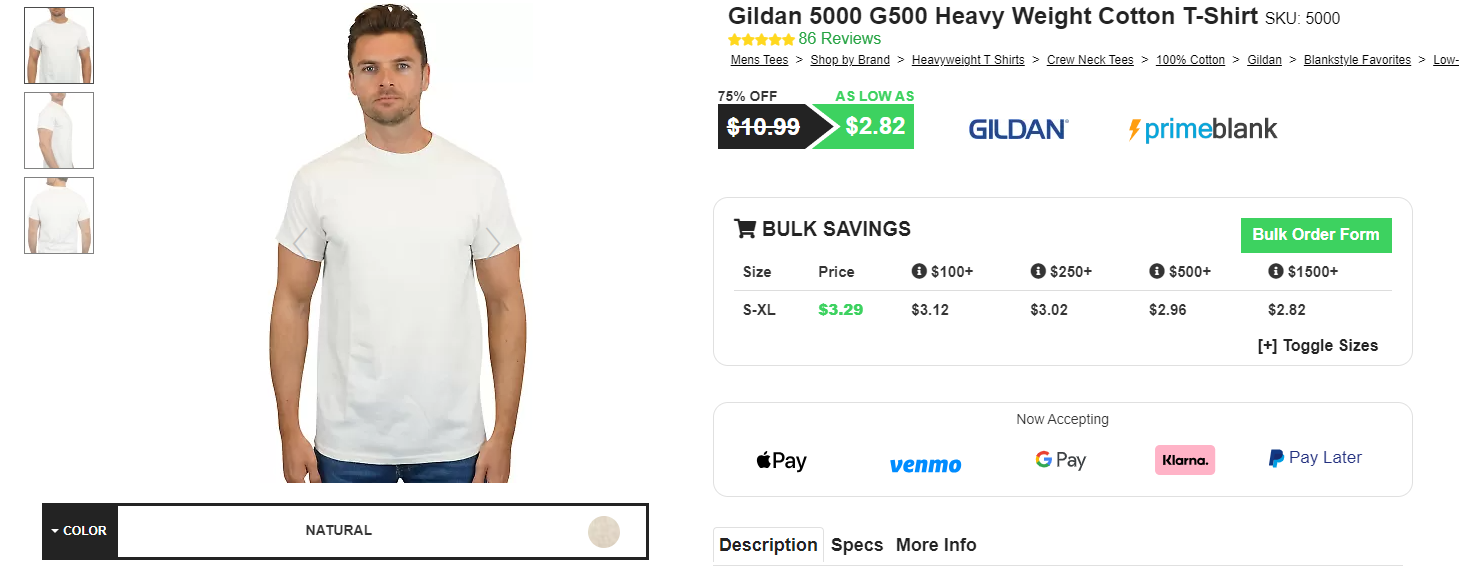
- Cost Analysis: Start by researching suppliers like Blankstyle.com, where you can find blank t-shirts for under $3 per shirt. Add the cost of screen printing, shipping, taxes, and other miscellaneous expenses, estimating your total cost at around $7 to $8 per shirt.
- Pricing Strategy: Set a reasonable selling price for your shirts, say $25 each. With a cost of $7 to $8 per shirt, you’ll profit at least $17 per shirt sold.
- Financial Goal: If you’re currently making $5,000 per month at your day job, calculate how many shirts you need to sell to match that income. In this case, selling 294 shirts per month would achieve your financial goal.
- Scaling: As you steadily grow your sales, consider reinvesting your profits to expand your product line, increase marketing efforts, or explore new avenues for growth.
By implementing this grassroots approach to selling branded apparel, you can create a successful business without quitting your day job. Keep in mind that this example is not limited to t-shirts; it’s a fundamental business strategy that can be applied to various industries.
How to Properly Brand Apparel to Build your Business
Building your successful business with branded apparel through a grassroots approach is a tangible and achievable goal. Let’s delve deeper into the step-by-step process of turning your creative apparel ideas into a profitable venture without leaving your day job.
1. Define Your Niche and Unique Selling Proposition (USP):
- Niche Selection: Begin by identifying a specific niche or target audience for your branded apparel. Consider factors like age, interests, hobbies, and fashion preferences. The more defined your niche, the easier it is to tailor your designs and marketing efforts.
- USP Development: Create a compelling Unique Selling Proposition (USP) for your apparel brand. Your USP should clearly communicate what sets your products apart from competitors. It could be the quality, style, messaging, or a combination of factors that make your apparel special.
2. Market Research and Design:
- Market Analysis: Research your niche thoroughly to understand the preferences, trends, and pain points of your target audience. This research will guide your design choices and marketing strategies.
- Design Creation: Develop eye-catching and meaningful designs that resonate with your target audience. Whether it’s witty slogans, unique graphics, or artistic designs, your apparel should align with your niche’s interests.
3. Sourcing Materials and Suppliers:
- Material Quality: Choose high-quality blank apparel that matches the style and comfort expected by your target customers. Research and source materials from reputable suppliers.
- Supplier Selection: Research and select reliable suppliers for blank apparel. Platforms like Blankstyle.com offer a wide range of options and competitive prices. Build relationships with suppliers for long-term benefits.
4. Printing and Production:
- Screen Printing: Decide on the printing method for your designs. Screen printing is a popular choice for its quality and cost-effectiveness, especially for bulk orders. Establish partnerships or outsource printing to professionals.
- Quality Control: Implement stringent quality control measures to ensure that each item meets your brand’s standards. Consistency is key to building a loyal customer base.
5. Pricing Strategy:
- Cost Analysis: Calculate the total cost of producing each apparel item, including materials, printing, shipping, and other overheads. This will help determine your minimum selling price.
- Competitive Pricing: Research competitors in your niche and set your prices competitively. Consider offering introductory discounts or bundle deals to attract initial customers.
6. Online Presence and Sales Channels:
- E-commerce Website: Create a user-friendly e-commerce website to showcase your branded apparel. Invest in professional web design and ensure easy navigation, secure payment options, and mobile responsiveness.
- Online Marketplaces: Consider selling on popular online marketplaces like Etsy, Amazon, or eBay to reach a broader audience. Each platform has its own rules and fees, so research and choose the most suitable ones for your business.
7. Marketing and Promotion:
- Social Media: Utilize social media platforms such as Instagram, Facebook, and Pinterest to showcase your products. Share engaging content, run targeted ads, and interact with your audience to build a following.
- Content Marketing: Create a blog on your website to share valuable content related to your niche. This can help establish your brand as an authority and attract organic traffic.
- Email Marketing: Build an email list and send regular newsletters with product updates, promotions, and valuable content. Email marketing is a powerful tool for customer retention and sales.
8. Fulfillment and Customer Service:
- Order Fulfillment: Efficiently handle orders, shipping, and returns. Consider outsourcing order fulfillment to third-party logistics providers as your business grows.
- Customer Service: Provide exceptional customer service to build trust and loyalty. Respond promptly to inquiries and resolve issues professionally.
9. Scaling and Reinvestment:
- Track Performance: Continuously monitor the performance of your branded apparel business. Analyze sales data, customer feedback, and marketing ROI to identify areas for improvement.
- Reinvestment: Reinvest profits into expanding your product line, marketing efforts, or improving your operations. Scaling gradually and strategically is key to long-term success.
10. Transitioning to Full-time Entrepreneurship:
- Financial Milestones: Set clear financial milestones for when you’ll consider transitioning from your day job to full-time entrepreneurship. Ensure you have a sustainable income stream from your business before making the leap.
- Risk Management: Create a financial safety net to cover unforeseen challenges during the transition. Having savings or a backup plan can provide peace of mind.
In conclusion, building your business with branded apparel and adopting a grassroots approach to entrepreneurship is a viable path to success. It’s a strategy that allows you to grow your venture organically while keeping the security of your day job. So, don’t rush to quit your job to become a “want-a-repreneur.” Instead, embrace the idea of becoming an entrepreneur while keeping your job as your financial safety net. At Blankstyle, we’re here to help grassroots startups flourish every day. Grow your business with your revenues, not just your dreams.