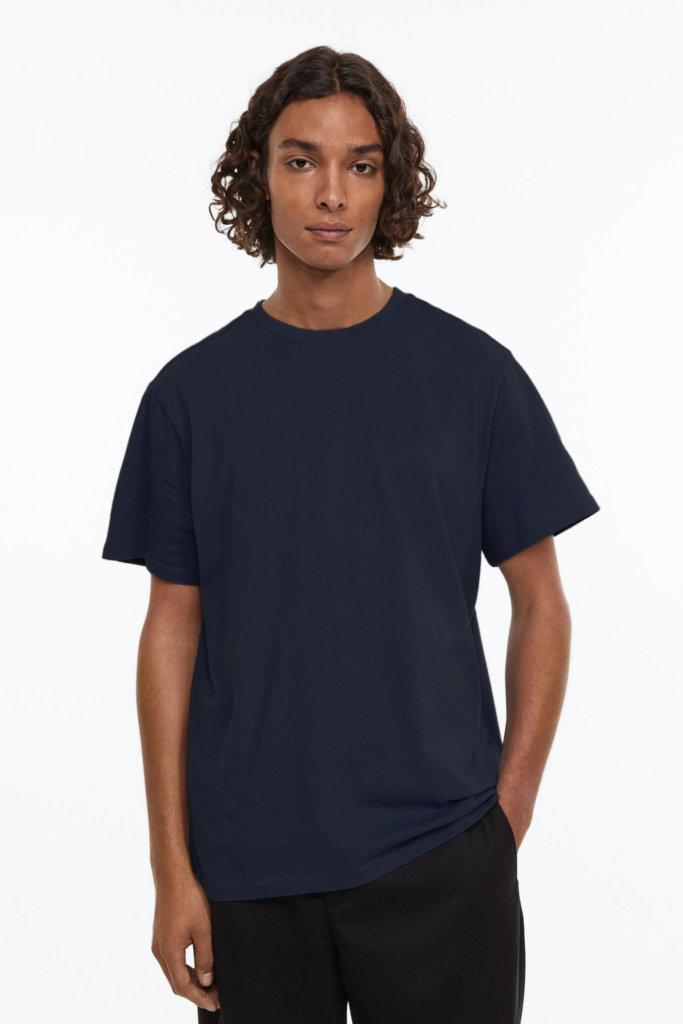
Maintaining Custom Apparel: Prints That Last

Customized apparel, particularly with specialized prints, requires extra care to maintain their original look and feel. With Blankstyle’s commitment to quality, ensuring the longevity of your printed garments is more about proper care than the apparel’s innate quality. Here’s how you can prolong the life of your custom prints and fabrics.

Wash Less Often:


Instead of habitual washing after every wear, only wash your t-shirt when genuinely dirty. Every wash subjects cotton fibers to stress, causing potential wear and tear. Additionally, less frequent washing reduces environmental impacts, cutting down on both water usage and energy consumption.

Pictured above: BELLA 6004 Womens Favorite T-Shirt

Sort by Colors:


Always wash whites with other whites. Prevent your pristine white t-shirt from turning grey or pink by segregating based on color. Fabric types also differ, so categorize your laundry to get optimal washing results. When in doubt, check the garment’s care instructions label.

Opt for Cold Wash:


Excessive heat is cotton’s nemesis. Preserve your shirt’s integrity and color vibrancy by washing it in cold or lukewarm water. Low temperature not only ensures garment longevity but also reduces energy consumption, making your wash eco-friendly.

Inside-Out Washing & Drying:


To prevent abrasions that could lead to fuzziness or pilling of cotton, wash and dry your printed shirts inside out. This approach safeguards the print and maintains its vibrancy.

Detergent Dosage Matters:
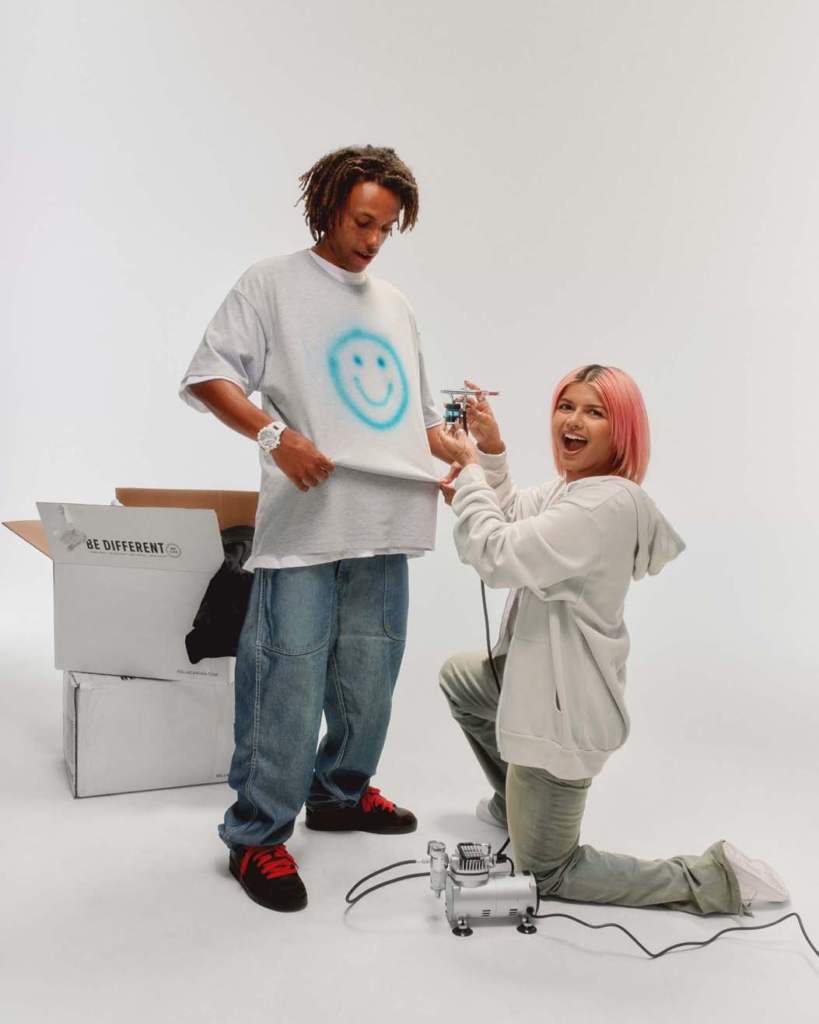
While there’s a push towards environmentally-friendly detergents, remember that using them in excessive amounts still impacts both the environment and your clothes. Less soiled clothes and softer water areas typically require less detergent. Pictured to the left is Bella + Canvas 3010 Fast Fashion Heavyweight Street Tee.

Air-Dry Instead of Tumble Dry:


Tumble drying, while convenient, can shrink cotton apparel. Air-drying, preferably out of direct sunlight, is gentler on fabrics and reduces the risk of unwanted shrinkage and color fading. Plus, it’s an energy-saving move, benefiting both the environment and your pocket.

Ironing – Do it Right:


When ironing becomes necessary, always check the care label first. Iron the t-shirt on the reverse side and avoid direct contact with the print. If available, use a garment steamer for even gentler fabric care.

Storage – Fold, Don’t Hang:


Store your shirts folded on a flat surface to prevent the fabric from stretching. If you do hang them, use wide hangers and insert them from the bottom to protect the neckline.

Immediate Stain Care:


Act fast when your shirt gets stained. Immediate treatment increases the chances of complete stain removal. Warm water and mild detergent should be your first defense against fresh stains. For tougher stains, use commercial stain removers, but steer clear from bleach on colored shirts.

With Blankstyle’s superior-quality custom printed apparel, these maintenance tips will ensure you enjoy your clothing’s pristine condition for years. Remember, the right care not only preserves your favorite pieces but also showcases a commitment to sustainability. A win-win for both fashion enthusiasts and the environment.
Logo Placement Tips

The Art of Logo Placement: Maximizing Impact on Customized Clothing

Logo placement is a crucial aspect in the world of customized clothing. It is an art that, when executed well, can elevate the appeal of apparel and significantly enhance brand recognition. Subsequently, Blankstyle understands this intricate dance, offering insights into maximizing the impact of logo placement.

Front Logo Placement – The First Impression

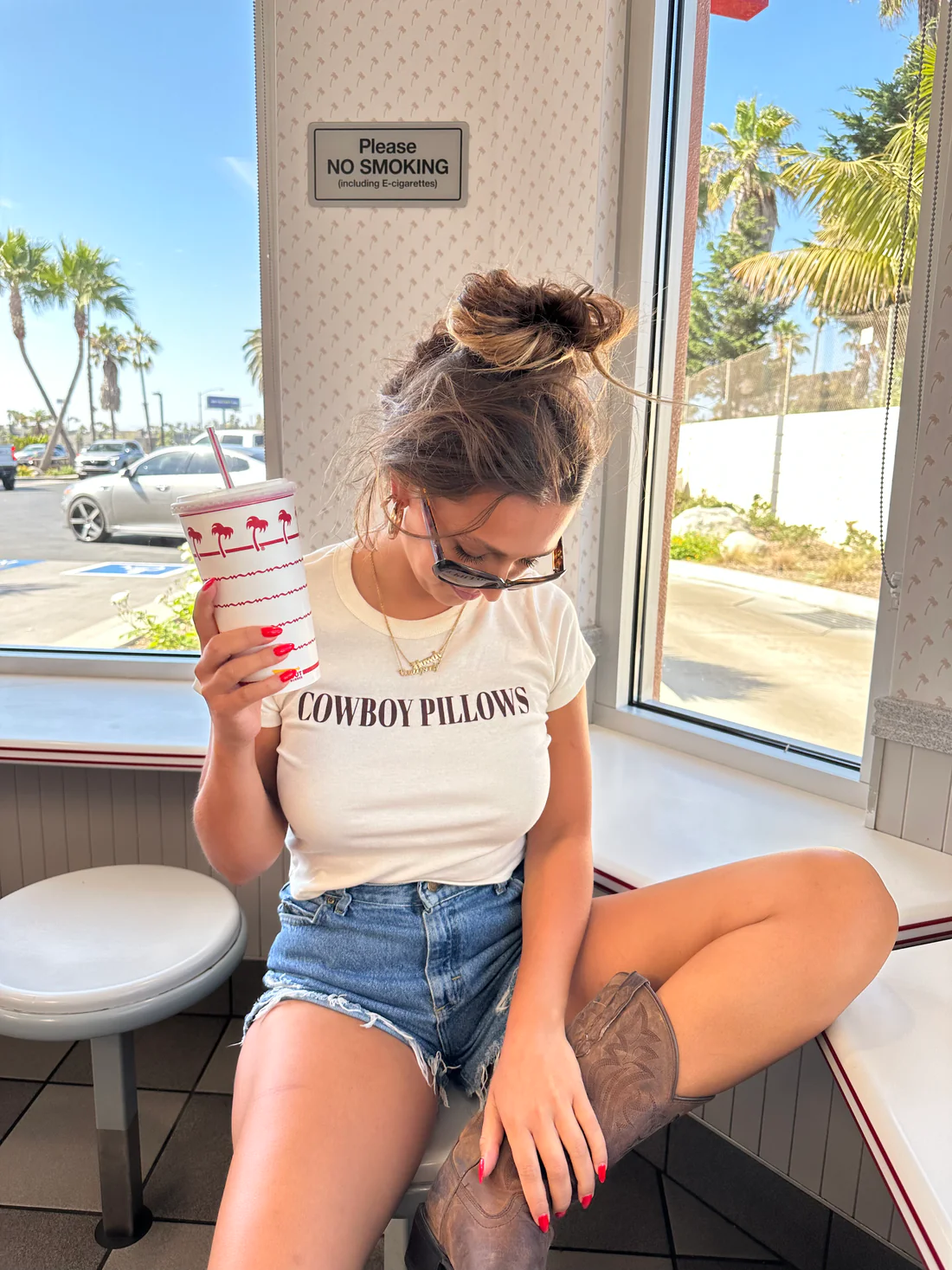
Pictured is our Comfort Colors T-Shirts 3023CL Women’s Heavyweight Boxy T-Shirt

Firstly, the front of the shirt offers the immediate visibility that can either make or break the initial impression of the apparel. Chiefly, logos placed here are prominently displayed, instilling professionalism and aiding in brand recall. Different areas of the front offer varied effects:

  • Left Chest: Known for its classic and professional appeal, enhancing visibility while maintaining a sophisticated aesthetic.
  • Right Chest: A touch of creativity and a break from tradition, appealing to the minimalist and the modern.
  • Center Chest: A bold statement of brand identity, ensuring the logo is the focal point.
  • Full Front: For those looking to make an audacious statement, ideal for events where visibility is paramount.
  • Oversized Front: A modern, fearless approach, portraying confidence and a strong brand identity.

Exploring the Back

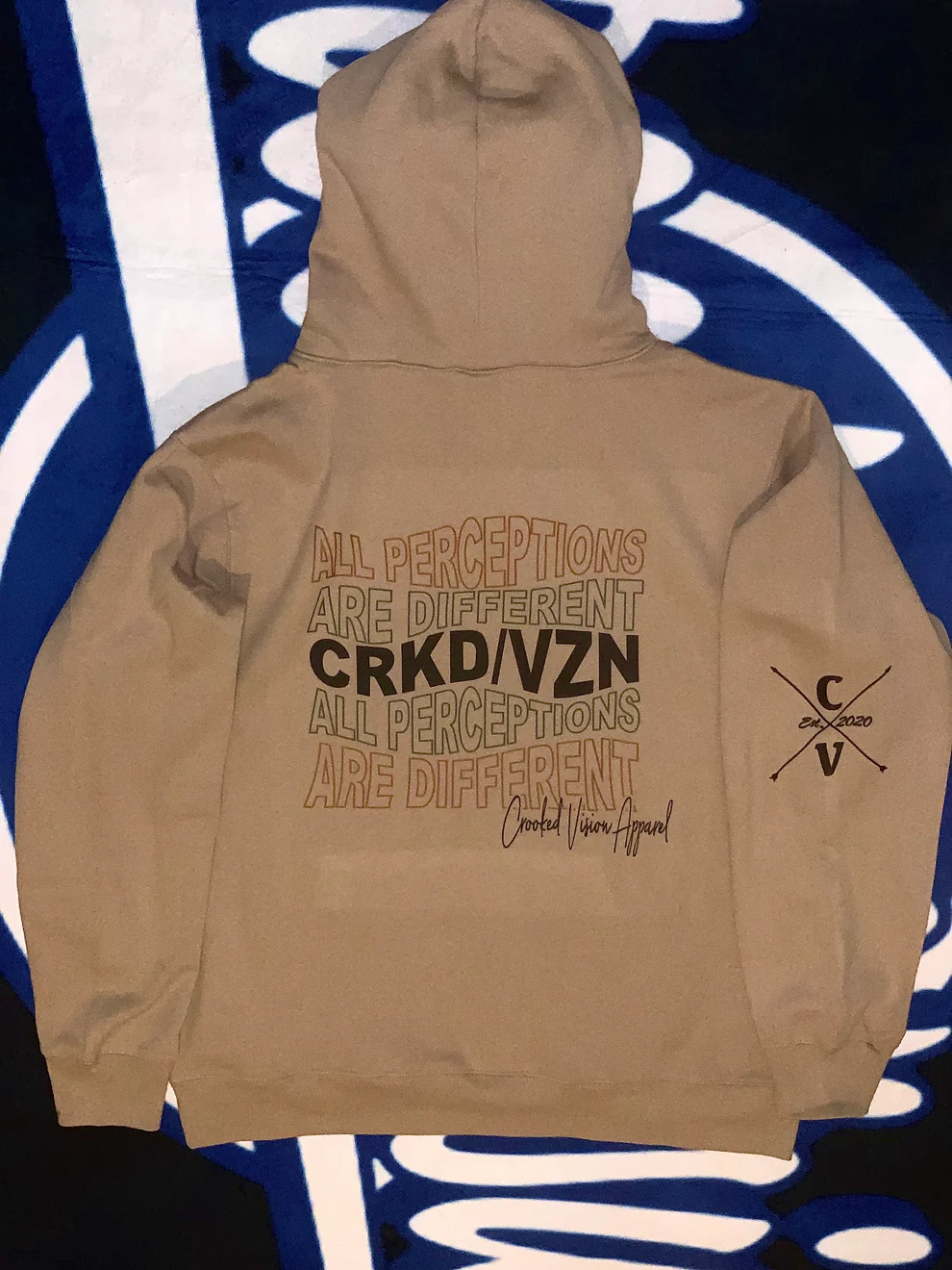
Pictured is the Cotton Heritage M2580 PREMIUM PULLOVER HOODIE

Evidently, while the front of the shirt captures immediate attention, the back is where subtle yet powerful branding can be implemented.

  • Collar Logo: A subtle statement that speaks to attention to detail and elegance.
  • Back Collar: An unexpected focal point that adds an element of surprise and intrigue.
  • Upper Back: Combines prominence with subtlety for a memorable branding impact.
  • Full Back: For a bold, unmissable statement of brand identity.

Logo Placement on Hoods and Sleeves

In addition, hoods and sleeves offer alternative canvases for brands looking to break from the norm.

  • The Hood: Ensuring brand visibility whether the hood is up or down, it’s an unexpected yet stylish choice.
  • Sleeves: A subtle yet impactful option for those looking to avoid the conventional while maintaining elegance.

Deciphering the Perfect Logo Size

Henceforth, every piece of apparel has its unique dimensions. To ensure the logo complements the design, taking into account the logo’s size and position is essential. In effect, different areas like the left chest, center chest, and full front require meticulous sizing considerations to strike the perfect balance between visibility and aesthetic appeal.

Size chart reference

Placement widthheightImportant points
Left Chest2.5”- 5”2.5”- 5”Because of the smaller print area, left logo placement on shirt works best for simple logos.

Moreover, If your logo has a high-contrast design that pops, left chest logo placement could work beautifully

You can use this classic area for T shirt logo placement for employees, and giveaways – all thanks to its subtle experience.
Center Chest6”- 10”6”- 8”Placing a logo at the center of the chest ensures maximum visibility since it’s at eye level for most people.

The center chest shirt logo placement provides a balanced and symmetrical look, which is visually appetizing.

Additionally, It’s a versatile placement option suitable for both women’s and men’s shirts and a widely accepted location for branding shirts.
Full Front10”- 12”10”- 14”A full front logo placement on shirt guarantees maximum visibility and draws attention to the branding or design.

It creates a bold and impactful statement, making it suitable for designs demanding attention or wanting to make a strong impression.

A front logo placement on shirt is best for variations such as sweatshirts, T-shirts, hoodies, and other casual promotional items.
Oversize Front12”- 15”14”- 16”The oversized placement of logo on front of shirt creates a bold statement. If you are aiming to stand out in the market with your logo designs, this is the one.

If you want to distribute some really cool corporate branded wear to your employees and customers, oversize front logos can help you by adding a modern and trendy aesthetic.

An oversized logo is typically larger, Hence, it’s important to consider proportions and balance with the shirt’s size as well as other design elements.
Back Collar1”- 3”1”- 3”When it comes to back logo placement, the back collar is a widely used location. It offers a more subtle and discreet branding option compared to front or sleeve placements.

Placing a logo on the back collar adds a unique and distinctive detail to the shirt design, catching attention from behind.

It is associated with a more corporate or professional look, commonly seen in dress shirts and formal attire.
Upper Back10”-14”1”- 6”Logo placement on back of shirt, especially upper back, provides an easily visible and prominent location, when viewed from behind.

Upper-back logos are quite versatile. You can use them on different types of shirts including jerseys, outwear, T-shirts, and Sweatshirts.

Obviously, logo placement on T shirt and other shirts is ideal for featuring sponsor logos or displaying team names, especially in sports or event-related shirts.
Full Back10”-14”6”- 15”Full Back is the best logo placement on shirt as it gives maximum visibility and creates a significant visual impact in crowded events or environments.

Shirts having a wider back like hoodies, and T-shirts are commonly used to print full-back business logos. It’s a part of the all-over print design which covers the entire back area for a visually striking and cohesive look.

Thus, a full back shirt logo placement offers the opportunity to showcase large-scale brand logos, graphics, or designs in an impactful and creative way.
Sleeve1”- 4”1”- 4”Sleeve logo placement is a unique and stylish option to showcase branding elements like logos or taglines on a shirt.

Placing a logo on the sleeve adds significant visual interest and detail to the overall shirt design. This makes it stand out from traditional front or back placements.

Additionally, sleeve logo positions may have a smaller area compared to the front or back placements. This requires careful consideration of logo size, readability, and proportionality.

Why It Matters

All in all, every logo placement tells a story, an unspoken narrative that underscores the brand’s identity. Nonetheless, in the bustling marketplace, where standing out is as crucial as fitting in, the strategic placement of logos on customized clothing can be a game changer.

Furthermore, with Blankstyle, the art of logo placement is meticulously honed to ensure that every piece of apparel not only speaks to the quality of the garment but also resonates the brand’s identity profoundly. Obviously, each placement option is an opportunity to showcase innovation, creativity, and brand allegiance, tailored to fit diverse needs and preferences. At Blankstyle, every stitch, print, and hue is a step towards crafting apparel that’s not just worn but experienced, turning everyday clothing into a canvas of brand storytelling.

Customer Feature: sheisgracielou – Fashion meets Westernwear

Stepping into the world of sheisgracielou is like diving headfirst into a mesmerizing blend of tradition and innovation, where the rugged charm of the Wild West meets contemporary fashion. This brand isn’t just another label; it’s a reflection of the soul and essence of its creator, Grace Vonstrahl.

Grace’s Journey into Fashion

Growing up immersed in Western culture, Grace always had an innate flair for capturing its essence in the most authentic manner. Her deep-rooted love for this unique lifestyle is evident in every piece of clothing she designs. But it’s not just about the aesthetics; it’s about storytelling and expressing her personal journey. Each design, each pattern, and each fabric choice comes from her experiences, making the brand a canvas for her life’s tales.

Original Artwork – A Reflection of Passion

One of the standout features of the sheisgracielou brand is Grace’s original artwork that adorns many of the pieces. These aren’t mere prints; they are tales of adventures, a snapshot of moments, and a celebration of the Western spirit. Grace’s artistic strokes breathe life into the fabric, making each item a wearable piece of art.

Signature Styles – Cowboy Pillows T-Shirts

Pictured is our Comfort Colors T-Shirts 3023CL Women’s Heavyweight Boxy T-Shirt

In the vast sea of social media, where trends come and go, Grace’s trademarked “cowboy pillows” t-shirts have carved a niche for themselves. These t-shirts, with their distinctive designs and unmistakable sheisgracielou touch, have taken social media by storm. They are not just popular; they’ve become a cultural phenomenon, adored and flaunted by fans across the globe. It’s a testament to Grace’s knack for blending tradition with a modern twist.

Wearable Stories

What makes sheisgracielou stand out in the fashion world is its authentic reflection of Grace’s personal style. These aren’t just designs churned out following the latest trends. Each piece, be it a t-shirt adorned with her artwork or a unique clothing item, is something Grace would love to wear. It’s her style, her statement, and her way of sharing a slice of her world with her loyal customer base.

Pictured above is our Hanes P160 ecosmart crewneck sweatshirt

A Legacy in Making

sheisgracielou isn’t just a brand; it’s a movement. It’s about embracing one’s roots, celebrating individuality, and expressing oneself unabashedly. For those who wear sheisgracielou, it’s not just about fashion; it’s about wearing a story, a legacy, a tradition.

In the dynamic world of fashion, where brands come and go, sheisgracielou is here to stay. Under the passionate guidance of Grace Vonstrahl, her vision remains focused and true. Through her designs, Grace invites everyone to be a part of her journey, to embrace the Western aesthetic, and to wear their stories with pride.

Custom Apparel: Design Tip to Help Your Brand Stand Out

Branding is more than just a catchy logo or tagline. It’s about creating a unique identity, evoking emotions, and making your mark in the market. Let’s dive into some expert advice on how brands can achieve standout designs in their custom apparel, inspired by some of the most iconic brands like Coca-Cola, Burt’s Bees, and Marcella NYC.

1. Start with Your Brand’s “Face”

Collaboration with Shaka Wear and Blankstyle

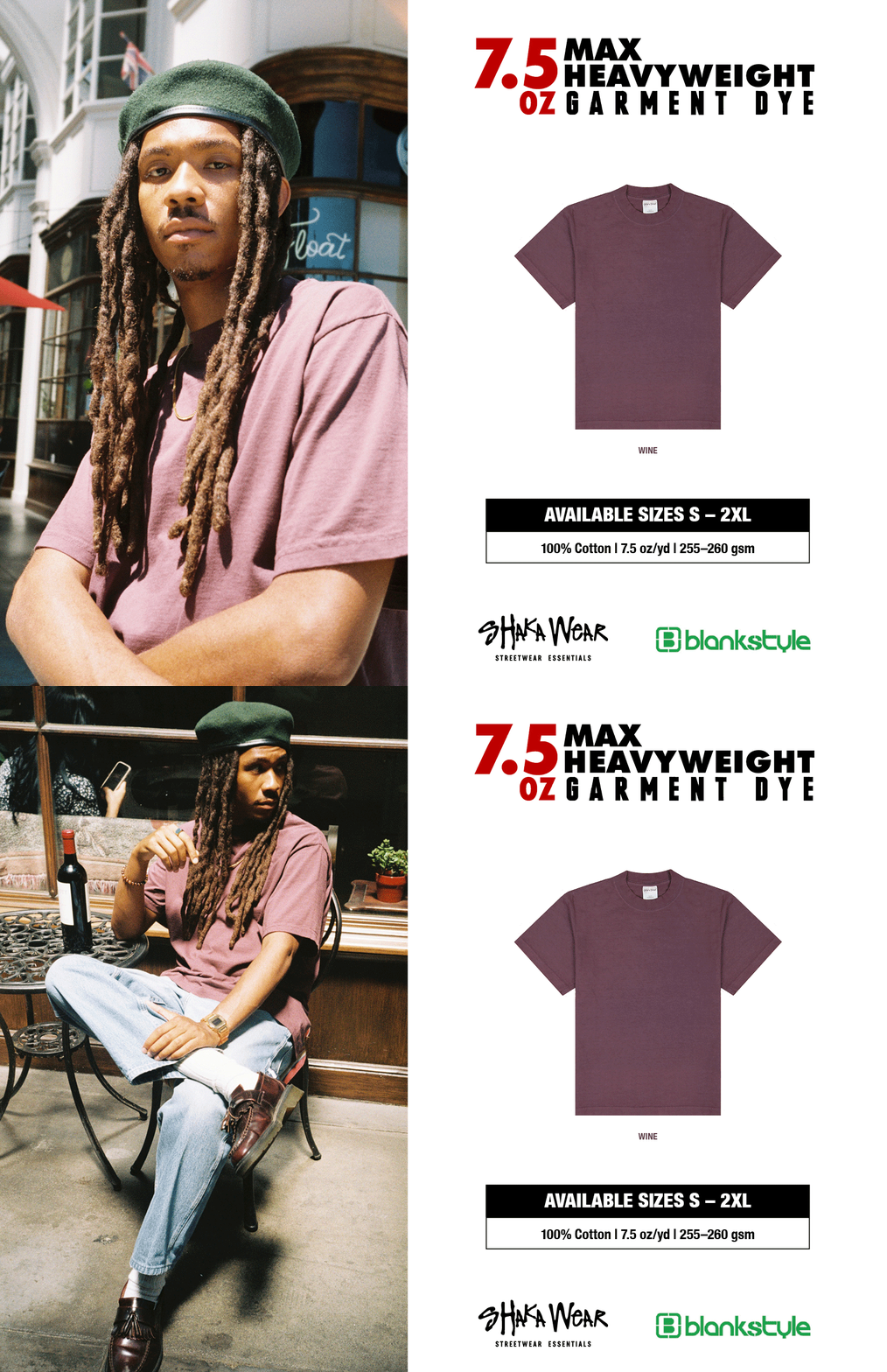
Your logo acts as the “face” of your business. Think of Coca-Cola’s red logo with its signature script text – an immediate recall for most of us. The design, while simple, tells a story and evokes a particular set of emotions and memories. You can see this branding in our Shaka Wear 7.5 oz Max Heavyweight T-Shirt. When designing for custom apparel:

  • Ensure that your logo is versatile enough to be recognizable in various colors, especially if you intend to print on varying fabric colors.
  • Ensure that your design aligns with the essence of your brand. For instance, if your brand champions sustainability, consider designs that echo that sentiment.

2. Create Credibility and Trust

A consistent brand identity, showcased through every piece of custom apparel, builds trust. Just as the unique shape of Coca-Cola bottles signifies authenticity, your design should resonate with originality. This doesn’t just make your brand recognizable—it makes it reputable.

3. Factor in the Power of Advertising Impressions

Your custom apparel isn’t just a garment; it’s a walking advertisement. Every design choice should be intentional, ensuring it aligns with what your brand stands for. This helps in making powerful impressions that can convert onlookers into potential buyers.

4. Embed Your Company’s Mission

Burt’s Bees, a brand rooted in sustainability, makes it evident in their branding. From their simplistic logo to their commitment to eco-friendly initiatives, every aspect screams sustainability. When designing apparel:

  • Incorporate elements that showcase your brand’s mission.
  • Consider sustainable fabrics or eco-friendly printing methods, especially if it aligns with your brand’s ethos.

5. Embrace Minimalism with a Twist

Marcella NYC’s fashion items exhibit a minimalist charm. However, every design has an edge to it, making it stand out. Brands should strike a balance between simplicity and uniqueness.

6. Promote Empowerment and Ethos

Marcella NYC not only offers minimalist fashion but empowers women with every purchase. Their commitment to education for girls is reflected in their branding. If your brand stands for a cause, integrate it into your designs. This not only gives depth to your apparel but also resonates with consumers who share similar values.

7. Focus on Quality and Sustainability

Prioritize quality in every step. Marcella NYC’s dedication to sustainable fabrics and recyclable packaging makes a difference. If you’re marketing to a conscious audience, such factors can significantly influence their purchasing decisions.

8. Seek Professional Insight

If unsure, seeking professional designers can help. They can guide you through the design process, ensuring the final product resonates with your brand’s identity and appeals to your target audience.

9. Understand the Importance of Brand Identity

A strong brand identity can inspire loyalty and carve out a niche for your brand in the saturated market. From the logo to the ethos, every component works cohesively to project a particular image to the audience.

10. Stay True, Stay Consistent

Consistency is key. Ensure that every piece of custom apparel, every design tweak, and every color choice aligns seamlessly with your brand’s core identity.

In essence, stellar custom apparel design isn’t just about aesthetics. It’s about echoing your brand’s ethos, establishing credibility, and connecting with your audience on a deeper level. As you embark on your custom apparel journey, keep these expert tips in mind and ensure that every design choice is a reflection of what your brand truly stands for.

Customized Apparel: From Sketch to Shirt

Customized apparel has carved its niche as a potent tool in branding, promotions, and personal expression. A thought, a design, a doodle can all take life when imprinted on fabric. But how does a simple sketch transform into a tangible, wearable piece of art? Let’s venture into the world of Blankstyle and uncover the fascinating journey of a design from a mere concept to a finished product.

Step 1: The Blueprint of Creativity – Designing

The journey begins with a design concept. Whether it’s an intricate illustration, a simple logo, or a catchy slogan, the idea should align with the intended message or the essence of a brand. The design acts as a brand’s voice, a whisper to its audience, so it’s essential to craft it with precision, ensuring it’s versatile and compatible with varying shirt colors. If designing isn’t your forte, collaborating with a professional designer can make all the difference, ensuring your vision is meticulously articulated.

Step 2: Mapping the Quantity & Budget

Before diving deep into the production process, it’s essential to delineate the quantity and budget. For wholesalers, buying in bulk is cost-efficient. However, it’s crucial to break down the sizes, remembering to provide an inclusive size range. The final quantity impacts the chosen printing technique, with some methods being more economical for bulk orders.

Step 3: Selecting the Perfect Printing Technique

Depending on the design intricacy, color palette, and budget, one must select the optimal printing method:

  • Screen Printing: The go-to for bulk orders. Each color demands a unique screen, making it ideal for designs with limited colors.
  • Vinyl Graphics: Perfect for simple, bold graphics, especially for smaller batches.
  • Direct-to-Garment (DTG): Suitable for designs bursting with details and colors but is more aligned with smaller orders.

Step 4: Finding the Right Printing Partner

A harmonious collaboration with the right printer is paramount. At Blankstyle, we champion quality and consistency. When you entrust us with your design, we ensure it’s impeccably translated onto fabric. By either visiting us or exploring online, you can gauge our commitment to excellence, ensuring you’re aligning with a printer that values your vision.

Step 5: Fabric Selection & Shirt Type

Comfort is paramount. The choice of fabric can significantly impact the final product’s feel and durability. While 100% cotton remains a classic, blends offer versatility in texture and cost. Beyond fabric, the shirt’s cut and style should reflect the target audience’s preferences. Whether it’s a V-neck, crew-neck, or a tank top, the style should resonate with the intended wearers. Pictured to the left is our Gildan 2000 Ultra Cotton T-Shirt G200.

Step 6: Design File Submission

Once the design is finalized, it’s time to hand over the baton to us. Submit your design files, ensuring they’re in the right format (preferably vector), allowing for precision in translation from digital to fabric. Find more information on how to do that with us right on our decoration info page

Step 7: Proofing for Perfection

Before the mass printing begins, we at Blankstyle believe in getting a nod of approval. A digital proof is shared to ensure the design sits perfectly, capturing every nuance.

Step 8: The Final Transformation

Once the proofs are approved, the production wheels start churning. The design takes life, imprinting itself on fabric, ready to narrate its story. Once printed, each piece undergoes a thorough quality check, ensuring it mirrors the approved design.

The Grand Finale
With Blankstyle, the journey from a sketch to a shirt is an amalgamation of meticulous planning, artistry, and commitment to quality. As you unbox the finished shirts, you’re not just looking at fabric and ink; you’re holding a tangible manifestation of a vision, ready to resonate with its audience.

Dive into the realm of customized apparel with us, and let’s transform sketches into stories, together.

Picking the Right Colors for Your Wholesale Wardrobe

The fashion industry, whether retail or wholesale, thrives on color. From bright and vibrant shades that capture attention to subdued and muted hues that exude sophistication, color plays a pivotal role in shaping fashion choices. But for wholesalers, understanding the nuances of color theory can be a game-changer, elevating collections and appealing to a broader clientele. Let’s journey through the color wheel in fashion and delve into the psychology of colors, offering you tips to curate the perfect wholesale palette.

Understanding the Color Wheel

At its core, the color wheel comprises three primary colors: red, blue, and yellow. Combining these gives birth to secondary colors: green, orange, and purple. Tertiary colors like red-orange or blue-green emerge from mixing primary and secondary colors. Understanding this wheel is the first step in mastering the art of color combinations in fashion.

The Psychology of Colors in Fashion

Color is more than visual stimuli; they evoke emotions, set moods, and convey messages:

  • Red: A color of passion, energy, and action. In fashion, red pieces often make bold statements.
  • Blue: Evoking feelings of trust, calm, and loyalty, blue is a versatile and timeless shade in fashion.
  • Yellow: A symbol of optimism, creativity, and warmth. Yellow apparel exudes positivity and vibrancy.
  • Green: Representing harmony, growth, and freshness. It’s a color that resonates with nature and tranquility.
  • Purple: Often associated with luxury, power, and ambition, purple pieces can add a touch of opulence to collections.

For wholesalers, understanding these psychological nuances can guide inventory choices, ensuring a balance that caters to diverse client needs.

Tips for Mixing and Matching Colors in Wholesale Fashion

  1. Complementary Colors: These are colors opposite each other on the color wheel, like blue and orange or red and green. While they create vibrant contrasts, it’s essential to use them judiciously in fashion to avoid overwhelming combinations.
  2. Analogous Colors: These are colors adjacent to each other on the wheel, like blue, blue-green, and green. They create harmonious and more subdued looks, making them perfect for coordinated wholesale collections.
  3. Monochromatic Schemes: Using different shades, tints, or tones of a single color can create depth while maintaining a cohesive look. For instance, a collection featuring navy, sky blue, and pastel blue can be captivating.
  4. Triadic Colors: These are evenly spaced around the color wheel, like yellow-orange, blue-green, and red-purple. They offer vibrant contrasts, but the key lies in ensuring one color dominates, using the other two for accents.
  5. Neutral Colors: Whites, blacks, grays, and browns. These can serve as base colors in your collection, complementing and balancing more vibrant shades.

Crafting a Wholesale Wardrobe with Color in Mind

Wholesalers need to consider not just individual pieces but entire collections. Here are some tips with a wholesale slant:

  • Seasonal Palettes: Understand the seasonality of colors. While spring might call for pastels and vibrant shades, autumn might lean towards earthy tones. Like the Dyenomite 854MW Premium Fleece Mineral Wash Hooded Sweatshirt pictured to the left
  • Client Profiles: If your wholesale clients cater to specific demographics or niches, customize your color palette accordingly. A youthful, edgy brand might prefer bold, contrasting colors, while a mature, sophisticated clientele might lean towards neutrals and muted shades.
  • Versatility: Ensure your collections have versatile colors that can easily mix and match, offering retailers more outfit combinations.
  • Stay Updated: Fashion is ever-evolving. While classics remain timeless, it’s essential to stay updated with trending colors to keep your wholesale collection relevant.

In Conclusion

Color is the lifeblood of fashion. For wholesalers, mastering the color wheel and understanding the underlying psychology can be instrumental in curating collections that resonate, inspire, and sell. Whether it’s evoking emotions, setting trends, or simply making someone’s day brighter with a splash of color, the wholesale fashion world has the palette to paint myriad stories.

A Comprehensive Guide to Understanding Apparel Sizing

Finding the right size when shopping for clothes, especially online, can sometimes feel like a guessing game. However, with the help of sizing charts and some understanding of apparel sizing, that perfect fit is well within reach. Here’s a deep dive into the world of apparel sizing and how to find your ideal match.

The Essence of a Sizing Chart

A sizing chart is a retailer’s guidepost, offering clarity to online shoppers about how a garment’s size corresponds to body measurements. Its primary goal? To ensure you pick clothing that fits like a dream.

There are two broad categories of sizing charts:

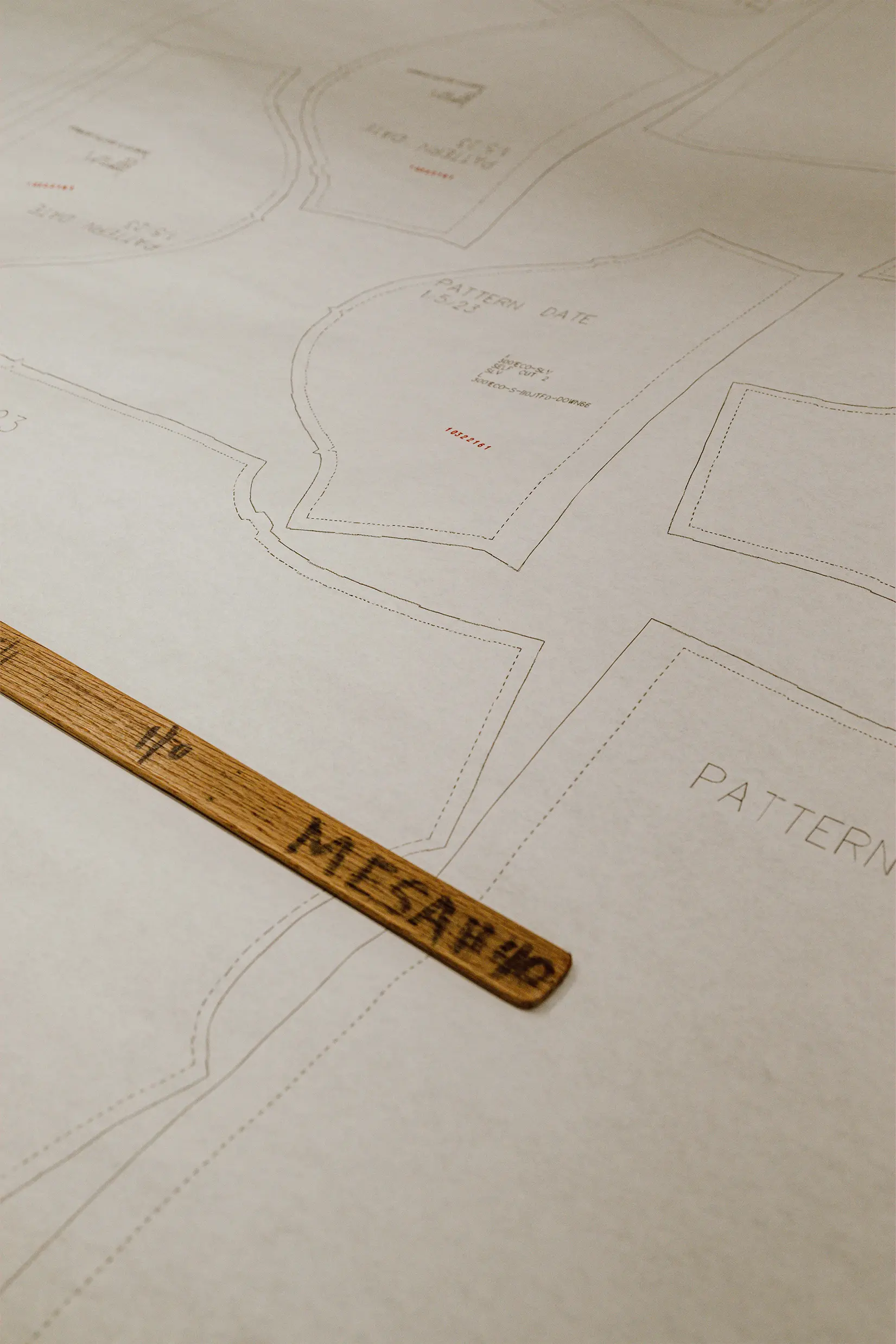
1. Internal Size Chart: This is an industry secret and is primarily used to ensure consistent garment development and sizing. It involves complex processes like pattern making and grading.

2. External Size Chart: This is the consumer’s compass. Found on product pages, it typically displays key measurements, such as bust, waist, hip, and height. Its objective is to guide consumers towards making a fitting choice.

For the purpose of this article, our focus will be on the external sizing chart.

The Relevance of Sizing Charts

While in-store shopping gives the tactile advantage of ‘trial-ability,’ online shopping necessitates effective communication of fit. Dan Weinsoft, an ecommerce conversion strategist, highlights sizing as a pivotal factor driving in-store shopping. The tangible experience of trying on clothes, absent in online shopping, necessitates innovative approaches to articulate fit. Size charts bridge this gap. They augment customer understanding, minimize returns, curtail the need for live support, and elevate conversion rates. Here’s why sizing charts are the unsung heroes of online fashion:

Independent Trading Co. SS4500 Midweight Hoodie

– Guided Choices: Especially for newcomers to a brand, sizing charts help decode fit expectations.

– Minimized Returns: Accurate sizing leads to fewer returns, resulting in happy customers and efficient businesses.

– Reduced Customer Support Queries: An exhaustive sizing chart reduces sizing-related queries, enhancing the overall shopping experience.

– Elevated Conversion Rates: A straightforward sizing guide streamlines the purchasing process, encouraging more conversions.

Brands like Columbia have aced the art of online sizing guidance, making the online shopping experience almost as tangible as the offline one.

Five Best Practices for Effective Sizing Charts

1. Clarity is Key: Simplify sizes for consumers. If your apparel is sized as small, medium, or large, provide numerical equivalents. Offer comprehensive measurements in universally understood metrics.

2. Beyond Measurements: Not everyone will have a measuring tape handy. Consider including descriptors like ‘fitted’ or ‘loose,’ and offer algorithmic size predictors based on height, weight, and age.

3. Ubiquity: Ensure that every product page either hosts a size chart or offers a link to it. 

4. Integrate Customer Reviews: Reviews with sizing feedback, especially those that juxtapose ‘expected’ and ‘actual’ fit, can be goldmines for other customers.

5. Flexible Returns: Confidence in purchasing is often bolstered by a hassle-free return policy. Whether it’s a ‘Buy Online, Return In-Store’ model or traditional returns, offering clarity and flexibility can enhance consumer trust.

Wrapping Up

Sizing, especially in the realm of online shopping, requires a blend of precision and empathy. As you navigate the digital aisles of your favorite brands, armed with the insights from size charts, remember that the journey to the ‘perfect fit’ is an art, one that’s enriched with every purchase.

With Blankstyle’s commitment to quality and clarity, your next perfect fit is just a click away. Happy shopping!

CHIRP Radio: Celebrating Humanity in an Automated World

Starting off, the essence of radio is deeply rooted in connecting communities, storytelling, and promoting the diverse voices of artists. Shawn Campbell, the founder of CHIRP Radio, understands this essence more than anyone. Her passion and dedication have transformed CHIRP Radio into a platform where Chicago’s vibrant music scene thrives and the traditions of radio are celebrated.

A Dream Realized

From a tender age of ten, Shawn knew she wanted to be involved in radio. Her journey through various stations taught her a valuable lesson – the passion of an employee could be overridden by the decision of a broadcast license-holder. With a burning desire to create a station for music enthusiasts, Shawn focused on harnessing Chicago’s lively independent music scene and emphasizing the unique attributes of radio, such as its live nature, immediacy, and community ties.

This dream saw fruition when Shawn and a board of radio aficionados lobbied for the inception of new low-power FM stations in large cities. Their relentless efforts led to the passing of the Local Community Radio Act, giving birth to over 1000 new LPFM stations nationwide. CHIRP began its journey online in 2010, and by October 2017, its 107.1FM broadcast went live.

Music, Connection, and Humanity

Pictured above: BELLA 6004 Womens Favorite T-Shirt

Moreover, CHIRP’s core values revolve around offering an authentic radio experience, with real humans curating music, not algorithms. Every hour, the music of local Chicago artists fills the airwaves, and through this commitment, CHIRP has become a beacon for true music lovers.

“Our mission is to be there for those who seek a genuine connection to a radio station,” Shawn emphasizes. “We believe in the power of good radio that makes listeners feel a little less alone in this vast world.”

Looking Ahead: CHIRP’s Vision

The future of CHIRP is bright, anchored in old-school radio values. Shawn believes that as the world leans more towards automated and AI-driven programming, people will yearn for something more human, more tangible. “We envision CHIRP as that haven where the human touch in music curation and presentation remains unspoiled,” Shawn shares.

Moreover, the station is diving into community engagement events. In 2023, CHIRP introduced its first-ever Music Film Festival, which screened music-focused films complemented by special events. As CHIRP aspires to curate more such community events, Blankstyle will be right beside them, meeting their merchandise needs.

Partnering with Blankstyle

To conclude, A huge part of CHIRP’s success story is the partnerships they’ve built along the way. Blankstyle, in particular, has been instrumental in providing top-notch shirts and merchandise that CHIRP offers to its donors during biannual pledge drives. Blankstyle’s printing services remain unmatched and provide ease and comfortability. As CHIRP continues to grow and connect with the community, both on-air and in person, the partnership with Blankstyle ensures that the station’s branding and merchandise are always on point.

Connect with CHIRP Radio

Additionally, for those eager to explore the world of CHIRP, the station offers multiple platforms to connect:

Discover the true essence of radio with CHIRP, where every tune is a heartfelt note and every broadcast, a celebration of humanity.

The Rise of Sustainable Wholesale Fashion

In today’s fashion landscape, sustainability is more than a buzzword—it’s a necessity. Driven by an awakening consumer consciousness, the sustainable wholesale clothing industry finds itself on the precipice of change, emphasizing ethical production and sustainable practices.

Understanding the Shift

Increasingly, the modern consumer gauges fashion choices not merely on aesthetics but on the ethical and environmental considerations underlying a garment. This evolution in buying behavior catapults sustainable and ethical practices from the peripheries of fashion discourse to its core.

Treading the Sustainable Path: Wholesalers Lead the Charge

Wholesalers, situated uniquely within the fashion supply chain, are presented with a golden opportunity. Retailors can popularize garments crafted from sustainable textiles. By curating collections made of organic cotton, hemp, recycled fibers, and more, they not only minimize environmental degradation but also present a fresh, innovative product line. For instance, the Unisex EcoMax Short Sleeve Tee is a stellar example. Made from 100% recycled materials, including Airlume cotton scraps and PET bottles, it redefines garment production and epitomizes the future of fashion. The method of coloring this tee is eco-conscious, involving no water use, further amplifying its sustainable credentials.

Championing Fair Trade

Beyond mere materials, ethical fashion delves deep into human rights. By partnering with manufacturers who are staunch proponents of fair trade, wholesalers ensure that workers receive fair wages, operate in safe environments, and enjoy their due rights. This commitment not only brings about societal change but also strengthens ties within the supply chain.

The Pillar of Responsible Sourcing

For a wholesaler, sustainable fashion is as much about the end product as the journey. Ensuring materials and products are ethically sourced, devoid of harmful chemicals, and produced under ethical labor conditions is paramount. Such responsible practices resonate with a growing segment of consumers demanding transparency.

Greening Operations:

Sustainability isn’t confined to products; it permeates operations. Wholesalers can make strides by adopting eco-friendly packaging, enhancing energy efficiency, and choosing sustainable transportation methods.

Engaging the Conscious Consumer:

The meteoric rise of sustainable fashion is underpinned by a discerning consumer base. Wholesalers can cultivate lasting relationships with these consumers by transparently communicating their sustainability journey, offering insights into their product stories, and advocating the merits of sustainable fashion.

An exemplar product embodying this sentiment is the Unisex Eco Performance T-Shirt. The shirt is fashioned to keep you dry. Additionally, each tee also gives a new lease of life to four plastic water bottles, seamlessly blending performance with purpose.

Concluding Thoughts

Sustainable and ethical fashion is no fleeting fad; it’s a clarion call for change. Wholesalers stand at the vanguard of this revolution, with the power to shape the future of the fashion industry. By imbibing principles of sustainability, from eco-friendly materials and fair trade to responsible sourcing and sustainable operations, they have the potential to weave a new narrative—one where our planet thrives, workers prosper, and consumers make choices that matter.

The Manufacturing Process of Wholesale Apparel

The intricate dance between fashion, design, and the manufacturing process has always been of interest to those within the industry. But how does an idea transform from a designer’s sketch into a piece of wearable art available for wholesale? We’re here to pull back the curtain and offer a glimpse behind the seams.

The USA: A Melting Pot of Fashion Manufacturing

The USA has seen a renaissance in its clothing manufacturing capabilities. Today, it’s not essential to look beyond the shores to find reliable and high-quality apparel production. From Los Angeles to New York to Miami, domestic manufacturers offer a gamut of styles, qualities, and price points to satiate every brand’s vision.

Manufacturers generally fall under two categories:

  1. Full Package Manufacturers: These companies manage the entire process, right from sourcing the fabric to the final stitch.
  2. Cut and Sew Contractors: These entities focus on assembling the garments once the materials are provided.

Wholesale: The Bulk Buy Solution

The manufacturing process of wholesale apparel is easy in the US. Purchasing in bulk, often referred to as wholesale buying, is the go-to for fashion entrepreneurs. The appeal lies in the reduced costs, streamlining inventory, and accessing a diverse style palette. Fashion districts in cities like LA and Miami teem with vendors offering everything from retro to modern styles.

Los Angeles: The Apparel Magnet

It’s impossible to talk about clothing manufacturing in the USA without mentioning Los Angeles. As stated by the California Fashion Association, LA is a magnet for over 3,000 fashion enterprises, making it the country’s apparel heart. The advantage of Manufacturing Process of Wholesale Apparel? Speedier turnarounds, exceptional craftsmanship, and a chance to have a closer look at the entire process.

USA’s Wholesale Paradises

The US has its own unique havens for wholesale apparel. New York’s Fashion District is a sprawling area with vendors providing clothing, textiles, and more. It’s neatly segmented into Prime (luxury designer), Popular (mid-range), and Value (budget) sectors. On the opposite coast, LA has its own version of this with a plethora of wholesale options.

US Clothing Manufacturers To Watch Out For

Several manufacturers stand out in the vast landscape of US-based apparel creators:

American Apparel & Los Angeles Apparel: These brands have consistently delivered quality.

Featured to the left is the Los Angeles Apparel FF97 Flex Fleece Zip Hoodie.

Bella Canvas, Next Level Apparel: Whether you’re searching for comprehensive solutions or specific ‘cut and sew’ services, these brands have it all.

Pictured to the right is Bella Canvas 3001U Unisex USA Made T-Shirt

Wrapping It Up

In essence, the USA is a treasure trove for clothing manufacturing and wholesale apparel. Whether a brand seeks to get its designs made domestically or procure in bulk, the choices are vast. Los Angeles, New York, and Miami stand tall as the country’s fashion pillars, each offering unique benefits. Brands like American Apparel and Bella Canvas have set industry benchmarks. All in all, the American apparel landscape ensures fashion entrepreneurs never have to compromise on their vision.