Bella Canvas Shirt Colors: The 2026 Wholesale Swatch & Trend Guide

Why does the same “Navy” pigment look different across three separate fabric blends in your latest production run? It’s a common frustration for decorators who realize too late that bella canvas shirt colors aren’t just about aesthetics; they’re about chemistry. You know that choosing the wrong swatch can lead to ink migration or inconsistent branding, especially when moving between 100% Airlume cotton and CVC heather blends. The sheer volume of options can feel like a logistical hurdle rather than a creative advantage.

We’ve built this 2026 wholesale guide to eliminate that guesswork. You’ll learn how to master the massive palette, from the vintage-inspired 28-color Washed Collection to the new 10 oz heavyweight fleece styles. We provide technical insights on fabric-to-ink compatibility and a strategic look at 2026 trends like “Cloud Dancer” and “Washed Cocoa.” This guide breaks down color categories by printing compatibility and seasonal demand. By the end, you’ll have a clear roadmap for your inventory and a technical understanding of which shades will perform best for your specific decoration methods.

Key Takeaways

  • Differentiate between solids, heathers, and CVC blends to maintain visual consistency across your entire product line.
  • Identify 2026 trending bella canvas shirt colors like the vintage Washed Collection and the soft “Cloud Dancer” palette for seasonal planning.
  • Evaluate fabric-to-ink compatibility to choose the best base colors for screen printing, discharge, and embroidery projects.
  • Use technical swatches and color cards to eliminate guesswork when visualizing how specific pigments react to different fabric textures.
  • Streamline bulk sourcing with tiered wholesale pricing and logistical tools designed for high-volume production efficiency.

The scale of the Bella Canvas ecosystem has fundamentally altered the wholesale market. With over 300 distinct shades available in 2026, the brand has moved beyond simple apparel manufacturing into technical color curation. This variety supports a “Retail-Ready” philosophy. Unlike standard industrial blanks that prioritize cost over pigment depth, these garments are designed to sit on high-end retail shelves. The bella canvas shirt colors you select today reflect a sophisticated understanding of consumer expectations.

In 2026, the color landscape has shifted away from synthetic neons toward organic, grounded tones. The introduction of the Washed Collection, featuring 28 vintage-style shades like Washed Black and Washed Cocoa, reflects a growing demand for apparel with a soft, lived-in feel. For small-to-mid-sized labels, this massive selection provides a competitive edge. It allows brands to launch niche collections with sophisticated palettes, such as the airy “Cloud Dancer” white, without the financial burden of custom manufacturing.

The Logic of Bella Canvas Color Names

Understanding the naming convention is essential for accurate inventory planning. Standard solids use a single pigment for a flat, consistent finish. “Heather” variants incorporate a mix of fibers to create a textured, flecked appearance. Specialty options like “Prism” and “Mineral Wash” involve a more complex textile dyeing process to achieve multi-dimensional or distressed looks. Identifying these prefixes helps decorators predict how the fabric will react to specific inks. The brand’s “Retail Color” standard is a commitment to producing pigments that match high-street fashion trends while maintaining industrial-grade colorfastness.

Why Wholesalers Prioritize Color Depth

Logistical efficiency is the primary benefit of color depth. Offering over 80 shades for a single SKU, such as the Bella Canvas 3001, allows businesses to scale without complexity. High-volume decorators can source exact matches for brand-specific requirements immediately. This depth reduces the need for custom dyeing in small batches, which is often cost-prohibitive for growing labels. By utilizing Blankstyle’s tiered pricing, wholesalers can access these hard-to-find bella canvas shirt colors in bulk, ensuring consistent supply chains for even the most specific seasonal palettes.

Categorizing the Swatches: Solids, Heathers, and Specialty Blends

To manage high-volume production, you must categorize the palette into four technical groups: Solids, Heathers, CVC Heathers, and Prism. Each group interacts differently with heat and ink. Solids offer a flat, vibrant finish. Heathers provide a textured, vintage appearance. For 2026, “Must-Have Neutrals” like Black, White, and the soft “Cloud Dancer” white serve as the foundation for most apparel lines. If your brand targets a nostalgic aesthetic, the “Washed” and “Mineral Wash” collections provide pre-distressed finishes that eliminate the need for secondary garment processing.

Solid Colors: 100% Airlume Cotton

Solid bella canvas shirt colors are achieved on 100% combed and ring-spun cotton. This fabric allows for deep pigment penetration and high color vibrancy. Because there is no polyester content, these shirts are the preferred choice for high-contrast screen printing. Crisp white ink applications look best on these flat surfaces. In 2026, core trends focus on Forest, Navy, and Deep Teal, alongside traditional staples. These solids provide the most predictable canvas for complex multi-color designs.

Heather and CVC Colors: The Textured Aesthetic

Technical differences between blends impact both price and printability. Standard Heathers typically utilize a 90/10 cotton-poly blend, while CVC (Chief Value Cotton) options move to a 52/48 ratio. Athletic Heather remains the industry standard for the classic grey marl look due to its high cotton content. These blends offer a subtle “salt and pepper” texture that masks small printing imperfections. For a deeper look at high-volume sourcing for these blends, review our Bella + Canvas 3413 Wholesale guide.

Prism and Specialty Dyes

Prism colors use a unique multi-dimensional fleck to create a heathered look without high polyester counts. This makes them ideal for subtle, tonal branding where the garment color is as important as the graphic. The 2026 Washed Collection, released in May, adds 28 vintage-style colors like Washed Navy and Washed Maroon. These specialty dyes require careful temperature monitoring during the drying process to prevent pigment scorching. You can browse the complete inventory to see how these specialty pigments differ under various warehouse lighting conditions.

Fabric Physics: How Material Affects Color Vibrancy

Color consistency in a wholesale order is a function of fiber chemistry rather than just pigment choice. While a brand may use the same dye name across different styles, the visual output changes based on how specific fibers accept that dye. Cotton is a hydrophilic fiber, meaning it absorbs water-based pigments deep into its core. Polyester is hydrophobic and requires high-heat disperse dyeing. This fundamental difference in the wholesale blank t-shirts market explains why a “Navy” solid looks fundamentally different from a “Navy” heather.

The “Heather Effect” is most visible when comparing the 3001 and the 3413. The 3001 uses 100% Airlume cotton, resulting in a matte, saturated finish. The 3413 incorporates polyester and rayon, which creates a multi-tonal appearance because each fiber type reflects light differently. Decorators must also manage the risk of ink migration, particularly on darker heather shades. During the curing process, heat can cause polyester dyes to gasify and bleed into your screen-printing ink. Maintaining consistency across a multi-fabric collection requires a technical understanding of these bella canvas shirt colors and the specific ink blockers needed for each blend.

100% Cotton vs. Polyester Blends

100% Airlume cotton solids offer the most predictable color matching for high-volume production. The uniform surface ensures that light reflects consistently across the entire garment, providing maximum saturation. When you introduce polyester, you gain durability and softness but lose some color depth. Polyester fibers often have a synthetic sheen that can make bella canvas shirt colors appear slightly more reflective or metallic under warehouse lighting. This is a critical consideration for brands that require exact Pantone matching for their logos.

Tri-Blends and Color Softness

Tri-blends utilize a 50/25/25 ratio of polyester, cotton, and rayon to achieve a muted, vintage profile. Rayon is the key variable here; it adds a silky texture but accepts dye with less intensity than cotton. This creates the soft, “heathered” look that is trending in 2026 with swatches like Clay, Oatmeal, and the new Washed Cocoa. Because tri-blends have a high synthetic content, they are prone to dye migration. You must use low-bleed inks and lower dryer temperatures to prevent the garment’s pigment from dulling your white or light-colored prints. This technical approach ensures the “vintage” look remains intentional rather than the result of a manufacturing error.

Bella Canvas Shirt Colors: The 2026 Wholesale Swatch & Trend Guide

Strategic Selection for Branding and Decoration

Choosing bella canvas shirt colors requires more than a visual match. You must align your color choice with the specific chemistry of your decoration method. For example, a brand launching a full apparel line needs to ensure the “Oxblood” used on a 3001 tee matches the “Oxblood” on their hoodies. While the pigment name is identical, the different fabric weights and construction methods can create subtle shifts in tone. Successful branding relies on recognizing these nuances before the first ink hit or needle drop.

Color Selection for Screen Printing

Discharge printing works best on 100% cotton solids because the process removes the shirt’s dye to reveal the natural fabric color. Darker shades like Black, Navy, and Maroon are ideal for this “no-feel” technique. If you’re using plastisol inks, “Heather Forest” and “Dark Grey Heather” provide a stable, textured base that makes white ink pop without the need for heavy under-basing. For high-volume projects, choosing these stable bases reduces setup time and ink costs. You can explore our custom screen printing services to see how different pigments react to various curing temperatures.

Embroidery and Thread Matching

Embroidery offers a premium finish, but the shirt color must provide enough contrast for the thread to remain visible. High-stitch-count logos on light colors like “Cloud Dancer” white or “Muted Mint” require threads with a slightly higher sheen to prevent the design from looking flat. Corporate branding often relies on exact Pantone matching. Using physical color cards is the most reliable way to align your thread palette with bella canvas shirt colors. If you’re debating between methods for your bulk order, our guide on screen printing vs embroidery breaks down the cost-to-benefit ratio for different fabric weights.

2026 Trend Forecast: The ‘New Earth’ Palette

The 2026 market has moved away from high-saturation primaries. Instead, “dusty” organic tones are dominating bulk orders. The palette focuses on grounded colors like Oxblood, Deep Ocean, and Fresh Greens. These shades support a sophisticated, retail-ready image that appeals to modern consumers seeking a more natural aesthetic. Building a seasonal collection around these tones allows for easier cross-selling, as the colors are designed to be worn together. You can get an instant quote for these trending shades to lock in your 2026 production schedule and ensure inventory availability for your next drop.

Sourcing Bulk Bella Canvas Colors with Blankstyle

Blankstyle functions as your logistical partner for managing the 300+ options in the 2026 catalog. Sourcing bella canvas shirt colors in bulk requires a platform that balances tiered pricing with inventory transparency. While retail-focused sites often limit your selection to a handful of core shades, we provide access to the full technical palette. This includes the high-demand Washed Collection and the new 10 oz heavyweight fleece styles. Our infrastructure is built to handle the complexities of high-volume apparel decoration, ensuring your production line never stalls due to sourcing gaps.

Managing a diverse inventory involves understanding lead times. Core neutrals like Black, White, and Navy are typically stocked in high volumes and ready for immediate dispatch. Specialty pigments or newer 2026 releases like “Buttermilk” or “Washed Thyme” may require slightly longer coordination depending on the total unit count. To mitigate risk, we offer a 60-day return policy on blank items. This allows you to sample specific bella canvas shirt colors and test ink reactions before committing to a full production run.

Tiered Pricing for Large-Scale Brands

Our pricing structure rewards volume without forcing you into a single color way. You can mix different shades within the same style to meet bulk discount thresholds. For example, an order of 3001 tees can include a mix of solids, heathers, and prisms while still qualifying for the same tiered rate. This flexibility is essential for brands launching multi-color seasonal drops. For a detailed breakdown of these price breaks, consult our guide on Bella Canvas 3001 wholesale pricing.

Ordering Samples and Swatches

Digital swatches can vary based on screen calibration, making physical samples mandatory for color-critical branding. You should request updated 2026 color cards to see how the new organic tones look under natural light. This step prevents costly errors in thread matching or ink selection. Our “Instant Quote” tool allows you to input specific color counts and decoration requirements to see your total cost immediately. This transparency helps you maintain your margins while sourcing the exact palette your brand requires.

Scaling Your Brand with 2026 Palette Intelligence

Mastering technical nuances ensures your branding remains consistent across every fabric blend in your catalog. You now have the framework to distinguish between high-saturation solids and the muted, vintage profiles of 2026 tri-blends. By aligning decoration methods with these specific fabric physics, you eliminate the common risks of ink migration and color shifting. Choosing the right bella canvas shirt colors is a technical decision that directly impacts the perceived value of your finished product.

Success in the 2026 market depends on a reliable supply chain for these organic, trending pigments. Blankstyle provides the logistical support you need with wholesale pricing on over 300 colors and no minimum order requirements. Whether you’re sourcing core neutrals or hard-to-find vintage washes, our expert screen printing and embroidery services ensure a retail-ready finish for every unit in your production run. We’re here to help you navigate the complexities of high-volume sourcing. Your project deserves a steady hand.

Shop the full range of Bella Canvas shirt colors at Blankstyle and start building your next seasonal collection with confidence today.

Frequently Asked Questions

What is the most popular Bella Canvas color for 2026?

Cloud Dancer, a soft and airy white, is the most popular choice for 2026. This specific trend reflects a broader industry shift toward calm, organic tones that suggest renewal. Other high-demand options include the vintage-inspired Washed Cocoa and Washed Black from the new Washed Collection. These shades are frequently selected for their high retail appeal and their ability to serve as a sophisticated neutral base for complex branding projects.

Do Bella Canvas Heather colors print differently than Solids?

Yes, heather colors require different technical considerations than solids. Solid 100% cotton garments absorb water-based inks more readily, providing a vibrant, matte finish. Heather blends contain polyester, which can cause ink migration if dryer temperatures aren’t monitored. Decorators must use low-bleed inks and lower heat settings on these bella canvas shirt colors to prevent the fabric’s pigment from bleeding into the print, ensuring a crisp result on textured surfaces.

Are Bella Canvas shirt colors consistent across different styles?

Colors are consistent by name, but their visual appearance varies based on the specific fabric construction. A “Navy” solid on a 100% cotton tee will look deeper and more saturated than a “Navy” heather on a tri-blend hoodie. This happens because cotton, polyester, and rayon each accept dye differently. To ensure brand accuracy across multiple styles, we recommend reviewing physical swatches or ordering samples before starting a large-scale production run.

What is the difference between CVC and standard Heather colors?

The primary difference is the ratio of cotton to polyester in the blend. Standard heathers, like Athletic Heather, typically use a 90% cotton and 10% polyester mix to maintain a high-cotton feel. CVC (Chief Value Cotton) colors usually feature a 52/48 blend. This higher polyester content makes CVC shirts more durable and resistant to shrinking, though it also increases the risk of dye migration during the screen printing process.

Can I get an exact Pantone match for Bella Canvas colors?

Bella Canvas provides approximate Pantone matches for most of their palette to help with digital mockups. However, achieving an exact 100% match is difficult due to the way different textile fibers reflect light. Factors like fabric texture, weight, and the specific bella canvas shirt colors being used will influence the final visual output. For color-critical projects, utilizing our custom embroidery services with physical thread matching is the most reliable way to align your brand identity perfectly.

Which Bella Canvas colors are best for vintage-style prints?

The Washed Collection is specifically designed for vintage-style branding, featuring 28 shades with a faded, lived-in finish. Options like Washed Navy, Washed Maroon, and Washed Olive offer the tonal variance desired for retro aesthetics. Additionally, tri-blend and Prism colors provide a muted, textured base that complements soft-hand discharge printing. These specialty fabrics allow for a “no-feel” print that looks and feels like an authentic vintage garment from the first wear.

Does the color of the shirt affect the wholesale price?

Yes, pricing often varies between white, solid colors, and specialty heathers or prisms. White shirts are generally the most affordable, while darker pigments and complex blends like tri-blends or the Washed Collection carry a higher manufacturing cost. Blankstyle utilizes tiered wholesale pricing, so your per-unit cost decreases as your order volume increases. You can mix different color ways within the same style to reach these bulk thresholds and maximize your production budget.

How do I ensure my custom logo colors match the shirt color?

We recommend using physical color cards and ordering blank samples to verify matches under natural lighting. Digital screens often distort pigments, which can lead to branding errors. Once you’ve selected your bella canvas shirt colors, our custom screen printing and embroidery experts can help you choose the right ink or thread shades. Utilizing our Instant Quote tool during the planning phase ensures you have accurate pricing for the specific color combinations your brand requires.

Cheap Bulk T-Shirt Printing: The 2026 Guide to Maximizing Your ROI

The lowest quote for cheap bulk t-shirt printing is frequently the most expensive mistake a brand can make. You’ve likely experienced the frustration of “budget” orders that arrive with hidden setup fees or blanks that shrink and distort after one wash. It’s a common industry trap where initial savings are quickly erased by poor durability and complex shipping logistics. We understand that for your custom apparel projects to be successful, the math has to work from the first quote to the final delivery.

This 2026 guide shows you how to secure the lowest per-unit costs without sacrificing the professional screen printing quality your brand requires. You’ll learn how to optimize blank selection, leverage specific volume tiers, and navigate national shipping to ensure your investment lasts. We provide a clear breakdown of price tiers and technical fabric choices to help you maximize ROI. From utilizing our $69 free shipping threshold to selecting the right heavyweight options, this is your roadmap to efficient, high-volume apparel procurement.

Key Takeaways

  • Focus on per-unit cost as the essential metric for maintaining profitability in large-scale apparel projects.
  • Identify the best budget-friendly blanks by comparing standard and ringspun cotton to optimize your cheap bulk t-shirt printing investment.
  • Select screen printing for orders exceeding 24 pieces to trigger significant volume-based discounts.
  • Utilize an instant quote tool to navigate tiered pricing brackets and secure free shipping on all orders over $69.
  • Protect your project with a 60-day return policy, ensuring reliability for national custom apparel delivery.

The Economics of Cheap Bulk T-Shirt Printing

Cheap bulk t-shirt printing represents the strategic intersection of wholesale garment sourcing and high-volume decoration methods. In 2026, “cheap” describes a price point achieved through logistical efficiency, not a lack of durability. The per-unit cost remains the primary metric for large-scale projects. It dictates the feasibility of marketing campaigns and the overall profitability of retail lines. If the per-unit cost is too high, your ROI evaporates before the first shirt is even sold.

Success in this space depends on three specific pillars: the blank garment, the decoration method, and the quantity tier. Balancing these factors ensures a low entry price without the risk of product failure after a single wash cycle. When you optimize all three, you achieve a professional result at a fraction of the cost seen in standard retail environments.

Wholesale vs. Retail Pricing Models

Traditional retail models include significant markups to cover storefront overhead and middleman fees. Choosing wholesale blank t-shirts removes these unnecessary costs from your budget. Pricing in the wholesale world follows a tiered structure where specific volume breaks trigger lower rates. These breaks typically occur at 12, 36, 72, and 144 units. For organizations with recurring needs, ordering larger quantities upfront allows you to hit the highest discount tiers immediately. This strategy significantly reduces the long-term budget compared to placing frequent, smaller orders that never trigger the best price breaks.

Total Cost of Ownership (TCO) in Apparel

The base price of a shirt is only part of the financial equation. TCO includes the base garment price, decoration fees, shipping, and the potential cost of replacement for poor-quality items. Screen printing is the standard for lowering TCO on bulk orders because the initial setup costs are amortized over more units. As your order size grows, the cost of the print itself drops toward a baseline minimum.

Logistics also play a major role in your final expenditure. Heavy bulk shipments can incur massive freight charges that negate any initial savings on the garments. Utilizing the $69 free shipping threshold on national orders can save hundreds of dollars in transit fees. Additionally, a 60-day return policy provides a financial safety net. It prevents wasted capital on incorrect or defective inventory that might otherwise be a total loss. Reliability in these logistical details is what separates a successful project from a costly logistical headache.

Top Budget-Friendly Blanks for Bulk Custom Tees

The choice of blank garment represents roughly 50% of your total project cost. In the world of cheap bulk t-shirt printing, selecting the right base determines whether your project yields a high ROI or ends up in a landfill. You must distinguish between “cheap” as a price point and “cheap” as a lack of quality. For most high-volume projects, mens t-shirts serve as the foundational blank because their standardized sizing and massive production runs keep per-unit costs at their lowest.

When evaluating blanks, you’ll encounter two primary categories: standard cotton and ringspun cotton. Standard cotton is the budget leader. It’s slightly rougher to the touch but holds its shape well and provides a sturdy canvas for heavy ink deposits. Ringspun cotton is smoother and more durable due to the spinning process that thins and twists the fibers. While ringspun often costs more, it can improve the perceived value of your merch, potentially allowing for higher retail margins. If you need a premium feel without the designer price tag, heavyweight t-shirts offer a substantial 6 oz or higher fabric weight that communicates quality to the end user.

The Industry Standard: Gildan 5000

The Gildan 5000 is the undisputed king of high-volume apparel. Its dominance in the U.S. textile economy ensures that inventory levels remain stable even for massive national orders. At 5.3 oz, this mid-weight cotton tee provides the ideal balance between cost and performance. It’s built for screen printing, with a tight weave that prevents ink from “sinking” into the fibers. While a fashion-forward blank like the Bella + Canvas 3001 offers a softer feel, the Gildan 5000 provides a significantly better ROI for promotional giveaways and event staff uniforms where the per-shirt savings add up quickly across hundreds of units.

Value-Engineered Alternatives

If your project requires a more modern fit, Next Level Apparel offers value-engineered options that bridge the gap between budget and fashion. Their blanks often feature side-seam construction, which provides a more tailored look than the tubular construction of basic tees. For brands targeting a younger demographic, adding crop tops to a bulk order can provide a trendy edge without a massive price spike. Additionally, consider polyester blends for long-term projects. These fabrics often offer better price stability when cotton markets fluctuate, ensuring your repeat orders stay within budget. You can use our instant quote tool to compare these different fabric types and see exactly how they impact your bottom line.

Screen Printing: The King of Cost-Effective Decoration

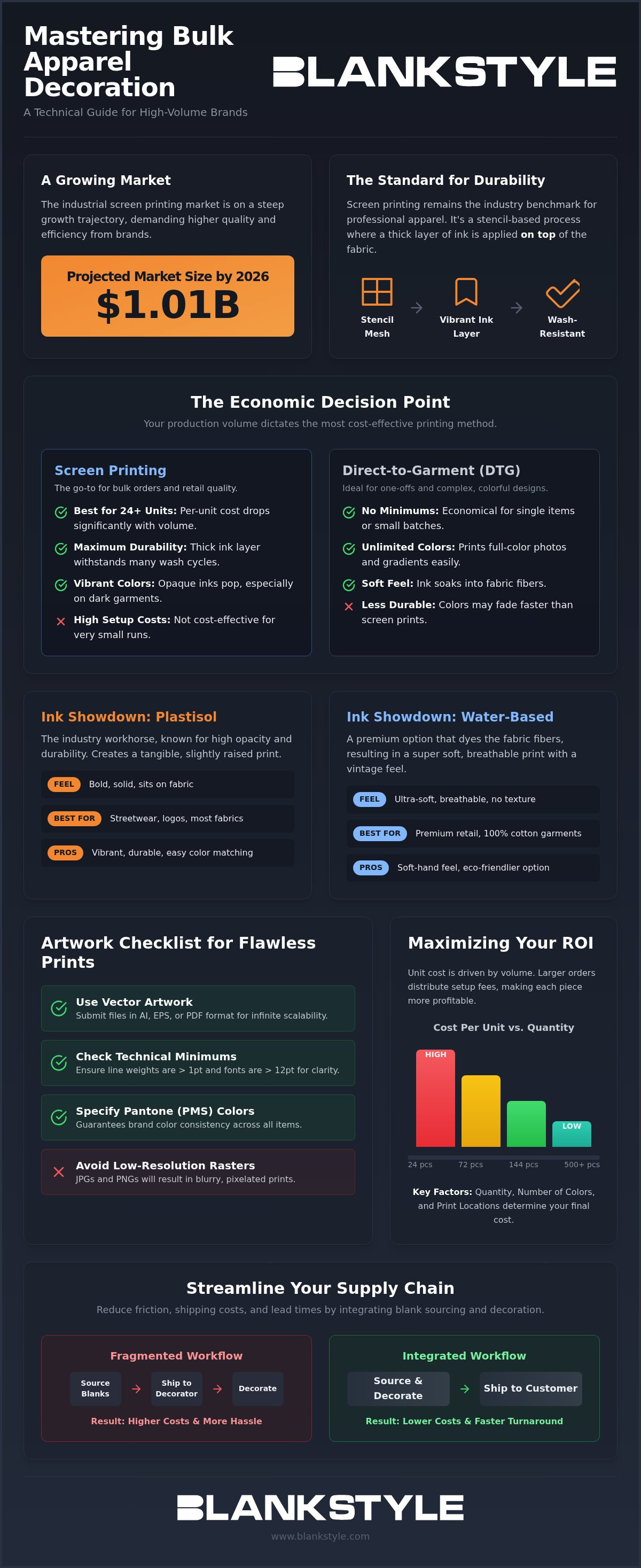
Screen printing is the most economical choice for bulk orders. Once you exceed 24 to 48 pieces, the labor-intensive setup is offset by the speed of the production run. This is the core of cheap bulk t-shirt printing. The efficiency of the press allows for a rapid output that digital methods can’t match at scale. For a deeper look at the technical requirements, see our Custom Screen Printing Services guide. The math is simple: more shirts equals a lower price per print because the initial labor is amortized across the entire run.

The primary objection to this method is the setup fee. This charge covers the physical creation of the screens. Each color in your design requires a separate mesh screen, which must be coated in emulsion, exposed to light, and washed out. While this adds an upfront cost, the per-print price drops significantly as the volume increases. When you spread a fixed setup fee across 144 shirts instead of 24, the impact on your per-unit cost becomes negligible. It’s a necessary investment for professional-grade durability that outlasts other cheaper, less reliable methods.

Designing for a Lower Price Point

The complexity of your artwork directly dictates your final invoice. Every additional ink color requires another screen and another pass on the press. To maximize your savings, stick to single-color designs. You should also limit your printing to a single location, such as the front chest. Adding a back print or a sleeve logo effectively doubles the labor and the cost of the project. If you need the appearance of depth without the cost of extra inks, use the halftone technique. This process uses varying sizes of dots to create gradients and shading using only one ink color. It’s a professional way to achieve a multi-tonal look while keeping your budget intact.

Screen Printing vs. Embroidery for Bulk

Choosing between decoration methods often comes down to the garment type and the intended use. Our embroidery services are ideal for smaller logos on structured items like polo shirts. However, embroidery is priced by stitch count, meaning large designs become prohibitively expensive for bulk runs. Screen printing handles large, bold graphics with ease and at a much lower price point. While embroidery offers a premium tactile feel, screen printing remains the undisputed leader for high-volume, low-cost apparel decoration. It provides the durability needed for retail and the cost efficiency required for mass distribution.

Cheap Bulk T-Shirt Printing: The 2026 Guide to Maximizing Your ROI

Strategies to Maximize Your Bulk Savings

Achieving the best ROI on cheap bulk t-shirt printing requires a methodical approach to logistics. Before finalizing any project, use this checklist to ensure you aren’t leaving money on the table:

  • Finalize artwork with minimal ink colors to reduce setup labor.
  • Consolidate orders to reach higher volume tiers.
  • Confirm your timeline to avoid expedited production surcharges.
  • Use an instant quote tool to compare per-unit costs across different quantity breaks.

Utilizing an instant quote tool is the most efficient way to see how adding a few extra units can trigger a lower price bracket. Often, the total cost for 144 shirts is nearly identical to the cost for 120 shirts because of the tiered discount structure. Additionally, remember the $69 free shipping threshold. For heavy bulk boxes, shipping fees can be a major budget drain. Meeting this minimum ensures your national delivery costs remain at zero. If you are managing distribution for multiple locations, leveraging drop shipping solutions can eliminate the need for double-handling and secondary transit costs.

Timing Your Order for Better Rates

Poor planning is the biggest threat to a budget. Rush fees can easily double the cost of an otherwise affordable project. To secure standard production rates, aim for a 2-3 week lead time. This window allows for stock procurement and press scheduling without premium surcharges. In 2026, seasonal demand during Q4 remains a critical factor. High-volume periods can strain wholesale stock availability; therefore, ordering early ensures you get the specific blanks you need without settling for more expensive substitutes.

Inventory Management and Re-orders

Strategic over-ordering is often cheaper than placing multiple small orders. For example, ordering 150 shirts in one run is frequently more cost-effective than ordering 75 shirts twice. Every new order requires a fresh setup. You’ll pay for screen creation and press calibration all over again. Consult our Step-by-Step Ordering Guide to map out your logistics. Maintaining a safety stock of blank apparel also protects you against sudden demand spikes. It allows you to move quickly on future decoration needs without waiting for new garment shipments. You can check current inventory levels and quantity breaks to start planning your next high-volume project.

Why Choose Blankstyle for Your Bulk Printing Needs?

Blankstyle operates as a comprehensive logistical partner for your custom apparel projects. By combining massive wholesale inventory with professional decoration services, we eliminate the friction typically found in cheap bulk t-shirt printing. You don’t need to coordinate between garment vendors and separate print shops. We manage the entire supply chain from our warehouses to your doorstep. Our catalog extends far beyond basic tees, offering everything from hoodies to hats. This allows for full brand builds within a single, streamlined order.

Reliability is a requirement for high-volume orders. We provide a 60-day return policy to build trust and ensure your satisfaction with every bulk purchase. This safety net is essential for first-time buyers who need to verify fabric weights and print quality across large quantities. Our national service model ensures consistent delivery times and transparent tracking regardless of your location. We’ve built infrastructure that supports the scale of national organizations while maintaining the individual attention required by smaller creators.

Professional Decoration Meets Wholesale Pricing

Choosing an all-in-one provider significantly reduces your total cost of ownership. You avoid the secondary shipping fees associated with sending blanks to a third-party decorator. This integration also enhances quality control. Our in-house teams oversee the entire process, ensuring the print technique matches the specific fabric requirements of your chosen blanks. The instant quote interface provides immediate transparency. You can adjust quantities and styles to see real-time pricing updates. This allows for fast decision-making without waiting days for a sales representative to respond.

The Blankstyle Reliability Guarantee

Stability matters in a fast-moving industry. Blankstyle has been a steady presence in the wholesale market since 2004. This history reflects our commitment to logistical competence and customer-first problem-solving. We don’t just print shirts; we help you navigate the complexities of high-volume apparel procurement. Our team approaches every project with a focus on your success, acting as a guide through the technical details of screen printing and embroidery.

Get an instant quote on cheap bulk t-shirt printing today!

Master Your 2026 Bulk Apparel Strategy

Maximizing ROI in high-volume apparel depends on balancing garment quality with logistical precision. You’ve seen how per-unit costs drop significantly when you align specific quantity tiers with screen printing decoration. By choosing the right blanks and simplifying your design, you secure a professional result that fits your budget. Cheap bulk t-shirt printing is most effective when you account for the total cost of ownership, including shipping and replacement risks.

Blankstyle has been an industry veteran since 2004, providing the stability needed for national logistics. We simplify the process with a 60-day return policy on blanks and free shipping on orders over $69. Our instant quote tool ensures you have the data needed to make fast, informed decisions for your brand. Browse Wholesale T-Shirts and Get an Instant Printing Quote today to start your next project. We’re ready to help you scale your custom apparel with confidence and efficiency.

Frequently Asked Questions

What is the cheapest way to print bulk t-shirts?

The most economical method is high-volume screen printing on budget-friendly blanks like the Gildan 5000. Screen printing becomes the cheapest option once you exceed the 24-unit mark because the initial setup labor is spread across more garments. You can further reduce costs by limiting your design to a single ink color and one print location. This strategic approach is the foundation of successful cheap bulk t-shirt printing for 2026.

How many shirts do I need to order to get a wholesale discount?

Wholesale pricing is available from the first unit, but substantial discounts are triggered at specific quantity breaks. These price breaks typically occur at 12, 36, 72, and 144 pieces. As your order volume increases, the per-unit cost of both the garment and the decoration drops. Consolidating your needs into a single large order ensures you reach the highest possible discount tier and maximize your project’s overall ROI.

Does Blankstyle offer free shipping on bulk orders?

We provide free shipping on all orders over $69. This threshold applies to both blank apparel and custom decorated items shipped within the national network. For large-scale projects, this policy eliminates the heavy freight costs that often inflate the final price of bulk shipments. Our logistics system ensures reliable delivery with transparent tracking for every order, allowing you to manage your project budget with complete certainty.

What is the best t-shirt brand for bulk printing on a budget?

Gildan remains the industry standard for budget-conscious bulk printing. Specifically, the Gildan 5000 offers a reliable 5.3 oz cotton fabric that performs well under the heat of a screen printing press. Other value-engineered options from brands like Next Level Apparel offer a more modern fit while maintaining competitive wholesale pricing. These brands provide the best balance of cost and durability for promotional merchandise and high-volume retail lines.

Can I mix and match shirt sizes in a bulk order?

You can mix and match sizes within a single order to meet your inventory needs. As long as the ink color and design remain consistent across the garments, they count toward your total quantity tier. This flexibility allows you to order a full size run from small to 3XL without losing the volume discounts triggered by high-volume cheap bulk t-shirt printing. It’s an efficient way to stock diverse sizes for your audience.

How long does a bulk custom shirt order typically take?

Standard lead times for custom bulk orders generally range from 10 to 14 business days after artwork approval. This window allows for stock procurement, screen preparation, and quality control. While seasonal demand can influence production schedules, maintaining a 2-3 week buffer ensures you avoid expedited shipping fees and rush surcharges. We prioritize logistical efficiency to keep your project on schedule and ensure your delivery arrives on time.

What is the difference between screen printing and DTG for bulk orders?

Screen printing uses physical stencils and ink layers, making it the most cost-effective choice for large runs. Direct-to-Garment (DTG) functions like an inkjet printer and is better suited for small, complex orders with many colors. For bulk orders exceeding 48 pieces, screen printing offers a significantly lower per-unit price and superior durability compared to the DTG process. It’s the preferred method for brands looking for longevity at scale.

Can I return a bulk order if I am not satisfied?

We offer a 60-day return policy on all wholesale blank apparel. This gives you ample time to inspect the quality and fit of the garments. Custom decorated items cannot be returned unless there is a manufacturer defect or a printing error. This policy ensures we maintain high standards of quality control while protecting the integrity of your custom project. It’s a key part of our commitment to professional reliability and customer satisfaction.

Bulk Shirt Printing: Sourcing and Decoration Guide

With the global custom t-shirt printing market projected to reach up to $6.57 billion in 2026, production scale is at an all-time high. However, managing a high-volume shirt printing project often reveals significant logistical friction. You’ve likely experienced the frustration of opaque pricing structures and print durability that doesn’t hold up after the first wash. When turnaround times lag or quality varies across a thousand-unit run, your project’s ROI is at risk. It’s difficult to maintain retail-ready standards when sourcing and decoration feel like two disconnected hurdles.

This guide provides a pragmatic roadmap to mastering large-scale apparel logistics. You’ll learn how to select the right fabric blends for specific decoration methods and how to use instant quoting tools to lock in predictable tiered pricing. We’ll examine the technical requirements for retail-quality finishes and show you how to streamline the transition from blank sourcing to final production. By the end of this article, you’ll have the framework needed to execute high-volume orders with professional consistency and efficiency.

Key Takeaways

  • Learn how consolidating blank sourcing and custom shirt printing under one roof eliminates supply chain friction and ensures consistent production quality.
  • Identify the optimal decoration method for your project by comparing the cost-efficiency of screen printing with the premium texture of professional embroidery.
  • Discover how to match specific fabric blends with decoration techniques to prevent dye migration and ensure vibrant, retail-ready results on every garment.
  • Utilize instant quoting tools and tiered volume pricing to secure predictable margins and maximize ROI on large-scale apparel orders.
  • Evaluate the economic benefits of bulk inventory management and integrated drop-shipping solutions to scale your brand faster than traditional print-on-demand models.

Mastering the Logistics of High-Volume Shirt Printing

Professional shirt printing at scale is a production cycle, not a creative experiment. In a B2B environment, success is measured by the predictability of the supply chain. Sourcing your garments and executing the decoration under one roof eliminates the logistical lag of third-party shipping. It ensures that the person responsible for the print quality is also managing the inventory. This integration reduces errors and provides a single point of accountability. When you bridge the gap between sourcing and decoration, you protect your margins from hidden freight costs and communication breakdowns.

The quality of the “blank” garment dictates the perceived value of your finished merchandise. Blanks are the foundation of your product’s retail value. If you choose a basic carded cotton, it may be cost-effective, but the rougher texture might not support high-detail prints as well as a combed, ringspun cotton. A high-quality print on a low-grade fabric results in a product that won’t survive the laundry cycle. To protect your brand’s reputation, focus on three key metrics: unit cost at scale, production turnaround time, and long-term print durability.

The Wholesale Advantage for Apparel Brands

Profit margins depend on tiered pricing. As your order volume increases, your cost per unit should drop significantly. Consolidating your blank apparel and decoration also slashes overhead. By leveraging wholesale blank t-shirts, you secure the lowest possible starting cost before any ink hits the fabric. Orders over $69 also qualify for free shipping, which provides an immediate boost to your ROI. This approach allows you to reinvest savings into higher-quality decoration or broader marketing efforts.

Project Planning: From Concept to Production

High-volume shirt printing projects require disciplined planning. You shouldn’t expect a 48-hour turnaround on a thousand-unit order. Standard production timelines account for screen preparation, ink mixing, and curing. The screen printing technique relies on high-tension mesh and precise stencil application; this process takes time to set up correctly. Rushing this stage often leads to registration issues or inconsistent ink coverage across the run.

Technical precision starts with your artwork. Professional printers require vector files to ensure crisp edges at any scale. Raster images often pixelate, leading to muddy results that fail retail inspection. Finally, consider your audience. A streetwear brand might require a heavyweight, oversized fit, while a corporate event needs a lightweight, ringspun cotton for comfort. Choosing the right “fit” and “feel” ensures your merchandise actually gets worn and provides long-term brand exposure.

Screen Printing vs. Embroidery: Selecting the Right Decoration Method

Choosing between ink and thread is a decision about durability, aesthetics, and budget. Screen printing involves pushing ink through a mesh stencil onto the fabric surface. It’s a chemical bond. Embroidery uses high-speed needles to sew polyester or rayon thread directly into the garment. This is a mechanical bond. For high-volume shirt printing, the distinction determines your total project cost and the retail positioning of your brand.

Screen printing offers the best ROI for large quantities. The initial setup includes burning screens and mixing inks. Once the press is running, the cost per unit drops significantly. Embroidery pricing is more stable across volumes because it depends on stitch count. A complex, 15,000-stitch logo takes the same amount of time to sew regardless of whether you’re making 50 or 500 units. For premium branding on outerwear or professional uniforms, the tactile nature of thread provides a perceived value that ink cannot match.

When to Choose Custom Screen Printing Services

High-volume events and retail merchandise lines require the speed and graphic flexibility of screen printing. This method supports large, vibrant designs that cover the chest or back. You should choose plastisol inks for maximum durability and color opacity on dark fabrics. Water-based inks are better for a “soft hand” feel on lighter garments. For a deeper technical dive into production cycles, read our custom screen printing services pillar. This method remains the industry standard for bulk graphic apparel due to its reliability and speed.

The Case for Professional Embroidery

Embroidery is the preferred choice for hoodies and polo shirts. It creates a professional, elevated appearance that withstands heavy industrial laundering. Thread doesn’t crack or peel over time. In many cases, the embroidery outlasts the garment itself. When budgeting, remember that color count matters less than the total area covered by stitches. You can find more details on file digitization and thread types in our embroidery services guide. If you aren’t sure which method fits your budget, you can compare decoration costs instantly using our online tools.

Matching Fabric Blends to Printing Techniques for Optimal Results

Fabric selection is the most overlooked variable in professional shirt printing. While a design might look perfect on a monitor, its physical execution depends entirely on the substrate. 100% cotton remains the industry benchmark for ink absorption. Its natural fibers allow plastisol and water-based inks to penetrate deeply, resulting in vibrant colors and excellent wash fastness. If your project requires high-contrast graphics or specific Pantone matching, cotton is your safest bet.

Synthetic blends introduce technical challenges. CVC (Chief Value Cotton) and polyester blends are popular for their durability and moisture-wicking properties, but they require specialized handling. Tri-blends are often used to achieve a “vintage” or heathered look. These fabrics are thinner and more porous, making them ideal for soft-hand printing where the ink feels like part of the fabric rather than a layer on top. For the streetwear market, heavyweight t-shirts are currently the dominant trend; their thick, stable construction provides a flat surface that prevents texture interference during high-density prints.

Printing on Premium Blanks

Choosing between brands depends on your end-user’s expectations. Bella + Canvas is a favorite for retail-ready apparel because they use side-seamed construction and premium ring-spun cotton. Ring-spun cotton undergoes a process that thins and twists the strands, creating a significantly smoother printing surface than traditional carded open-end cotton. For high-volume promotional runs where budget is the primary driver, the consistency of Gildan ensures that unit one looks identical to unit one thousand. The smoother the surface, the better the ink adhesion and detail retention.

Technical Considerations for Performance Wear

Performance apparel requires a different ink chemistry. Standard inks don’t stretch, which leads to cracking on form-fitting garments like crop tops or activewear. You must use flexible inks with high-stretch additives to maintain the garment’s integrity during movement. Synthetic fabrics also face the risk of discoloration during the curing process. Dye migration occurs when the heat used to cure printing ink causes the fabric’s synthetic dyes to turn into gas and seep into the ink, resulting in a discolored or “bled” final print. To prevent this, professional shirt printing operations use low-bleed inks and lower dryer temperatures to lock the color in place.

Bulk Shirt Printing: Sourcing and Decoration Guide

How to Use the Instant Quote Tool for Accurate Project Budgeting

Budgeting for a high-volume production run requires immediate access to tiered data. Waiting days for a sales representative to return an email kills project momentum. Professional shirt printing logistics demand a faster approach. Our instant quote tool allows you to bypass the traditional back and forth by providing real-time pricing based on current inventory and production capacity. This transparency ensures that you can lock in your margins before committing to a client or a brand launch.

Executing a successful quote follows a methodical five-step process:

  • Step 1: Select your blank garment. Choose based on the fabric technicalities discussed earlier, balancing your budget with your brand’s retail positioning.
  • Step 2: Define your decoration method and locations. Specify if you need printing on the front, back, or sleeves, as each hit on the press affects the unit cost.
  • Step 3: Input technical specifications. For screen printing, this means color counts. For embroidery, you’ll need an estimated stitch count.
  • Step 4: Apply volume tiers. Increase your quantity to see the exact point where per-unit savings maximize your ROI.
  • Step 5: Review logistics. Confirm your production turnaround time and shipping options. Remember that orders over $69 qualify for free shipping, which is a critical cost-saver for bulk projects.

Breaking Down the Cost Drivers

Setup fees are the primary hurdle for smaller runs, but they become negligible as you scale. These fixed costs are distributed across every garment in the order. This is why buying in bulk is the only way to achieve retail-ready margins. The number of print “locations” also drives the final price of bulk custom shirts. Each additional location requires a separate setup and run time. Accurate quantity counts are essential before you submit your project to ensure the quoted tier remains valid through the production cycle. If you’re focused on maximizing cost efficiency from the start, our cheap bulk t-shirt printing guide breaks down exactly how to optimize blank selection and volume tiers to protect your margins.

Managing Your Production Quote

Professional buyers often need to present multiple scenarios to stakeholders. You can save your quotes to compare different garment colors or fabric blends without starting over. If a project exceeds the initial budget, adjusting a single variable, like switching from a tri-blend to a CVC garment, can bring the numbers back into alignment. The Blankstyle quote tool simplifies the procurement process for professional buyers by providing real-time transparency on tiered pricing and logistical timelines. Once your data is set, you can generate your instant production quote to move your project into the production phase immediately.

Scaling Your Brand with Integrated Printing and Logistics

Scaling a brand requires moving beyond the “print-on-demand” model. While POD offers low entry barriers, it limits your control and erodes profit margins. Integrated shirt printing and logistics allow you to capture wholesale pricing while maintaining retail-ready quality. Transitioning to high-volume production is a strategic shift. It requires moving from reactive ordering to proactive inventory management. By buying in bulk, you secure the tiered pricing benefits mentioned earlier and ensure your stock levels match your marketing efforts. This shift allows you to maintain a consistent, professional look across your entire inventory without the high per-unit costs of small-batch runs.

Quality control is significantly more effective within a unified ecosystem. We offer a 60-day return policy on blanks, providing a safety net that most local shops cannot match. This allows you to scale with confidence, knowing you aren’t stuck with defective inventory. Our drop-shipping solutions further streamline growth by moving finished goods directly to your customers or fulfillment centers. This reduces double-handling and cuts down on transit times. When you control both the sourcing and the decoration, you control the brand experience from start to finish.

The Logistics of High-Volume Fulfillment

Efficiency in fulfillment depends on order consolidation. Shipping costs can destroy your margins if handled incorrectly. By hitting the $69 free shipping threshold, you eliminate a major overhead expense on every restock. High-volume runs also allow our decoration team to act as a final quality filter. We inspect garments during the printing process, ensuring that only professional-grade merchandise reaches your end-user. This integrated approach turns a complex supply chain into a streamlined production line that supports long-term e-commerce growth.

Building a Long-Term Production Partnership

Successful brands plan their production cycles months in advance. You need to account for seasonal demand and holiday merchandise spikes before they happen. Working with a no-nonsense industry veteran ensures that technical questions are answered quickly and logistical hurdles are cleared before they impact your launch date. Reliability is the most valuable asset in high-volume production. Clear communication regarding lead times and fabric availability prevents stockouts during your busiest sales periods. Get an instant quote for shirt printing now to see how integrated logistics can support your brand’s growth.

Optimizing Your Apparel Logistics for Scale

Successfully managing high-volume shirt printing projects requires a shift from fragmented sourcing to an integrated production model. By consolidating your blank garment procurement and decoration services, you eliminate supply chain friction and protect your profit margins. You’ve learned how to match technical fabric specifications with the right decoration methods and how to leverage tiered pricing to your advantage. This systematic approach ensures that every run meets retail standards while staying within your project’s budget.

Reliability is the core of a successful brand. Our infrastructure supports your growth with industry-leading tiered wholesale pricing and a 60-day return policy on blank apparel. We also offer free shipping on orders over $69 to help you reduce overhead costs. Whether you’re launching a seasonal collection or restocking a best-seller, having a stable logistics partner makes the difference. Ready to move your project into production? Get an Instant Quote for Professional Shirt Printing and start scaling your brand today.

Frequently Asked Questions

How much does shirt printing cost for bulk orders?

Bulk shirt printing costs are determined by tiered volume pricing, garment selection, and design complexity. Larger quantities reduce the per-unit price because fixed setup costs are distributed across more items. Factors include the number of ink colors and print locations. You should use our instant quote tool to calculate real-time pricing based on current inventory levels and production schedules to ensure your project stays within budget.

What is the minimum order quantity for screen printing?

Screen printing typically requires a minimum order quantity to offset the labor-intensive setup process. This process includes burning screens, mixing inks, and calibrating the press. While specific minimums vary based on the complexity of the artwork, high-volume production runs are always the most cost-effective option for brands. For smaller quantities, embroidery might be a more viable alternative, though bulk printing remains the benchmark for maximizing ROI on large orders.

Can I mix shirt sizes and colors in one printing order?

You can mix garment sizes and colors within a single order as long as the design and ink colors remain identical across the run. This flexibility allows brands to cater to a diverse customer base without losing the benefits of tiered wholesale pricing. Keep in mind that changing ink colors to accommodate different shirt colors may incur additional fees. Planning your color palette carefully helps maintain a consistent production pulse and avoids unnecessary costs.

How long does a bulk shirt printing order take to ship?

Production timelines for bulk shirt printing typically range from 7 to 14 business days after artwork approval and payment. This duration allows for technical screen preparation, garment staging, and quality inspections. Shipping times are separate and vary based on your location. Consolidating your blank sourcing and decoration under one roof helps minimize delays by eliminating the transit time usually required between a supplier and a third-party printer.

What file format is best for professional shirt printing artwork?

Vector files are the required format for professional apparel decoration. Formats such as .AI, .EPS, or .PDF ensure that your artwork remains crisp and scalable without any pixelation. High-resolution raster files at 300 DPI might work for certain digital processes, but vectors allow for precise color separation and high-tension screen preparation. This technical precision is essential for achieving retail-quality results that meet the expectations of professional buyers and brands.

Is screen printing better than DTG for high-volume wholesale orders?

Screen printing is significantly more efficient than DTG for high-volume wholesale orders due to its speed and cost-efficiency at scale. While DTG is useful for small, complex designs, it doesn’t offer the same per-unit price drops as quantities increase. Screen printing also provides superior ink opacity and long-term durability on various fabric blends. It remains the preferred method for retail merchandise because it produces a consistent finish across thousands of garments.

Do you offer free shipping on printed shirt orders?

We offer free shipping on all orders over $69, which includes both your wholesale blank apparel and custom-decorated merchandise. This threshold provides a major cost-saving advantage for bulk projects. By reaching this limit, you can eliminate a significant overhead expense and reinvest those logistics savings back into your brand’s growth. Shipping is handled nationally, ensuring that your production run reaches its destination efficiently without the need for local pickups.

What is the difference between plastisol and water-based ink for bulk runs?

Plastisol ink is the industry standard for durability and color vibrance, particularly on dark fabrics. It sits on top of the fibers and provides a traditional, opaque feel. Water-based ink penetrates the fabric for a soft-hand finish, making it ideal for vintage-style prints on lighter garments. Your choice depends on the desired retail feel and the specific fabric blend of your blanks. Professional buyers often select plastisol for its reliability during high-volume production. For a comprehensive breakdown of how to secure the lowest per-unit costs without sacrificing quality, see our 2026 guide to cheap bulk t-shirt printing and maximizing ROI across your entire production run.

How to Order Bulk Custom Shirts: The Professional’s Step-by-Step Guide

Most bulk apparel orders fail not because of the design, but because of a breakdown in technical logistics. You want a high-quality finished product, yet the process of ordering bulk custom shirts often feels like a minefield of hidden shipping fees and prints that peel after two washes. It’s frustrating to invest your budget only to receive heavyweight t-shirts that shrink or crop tops that don’t fit your brand’s standards. You need a reliable workflow that eliminates these common pitfalls and protects your bottom line. Whether you are a service provider or a specialty retailer like Chickhuber Coffee, professional-grade apparel is a key component of your physical brand presence.

You’re right to be cautious about the technical details. A successful order requires more than just uploading a logo; it demands a synchronized approach where garment selection and decoration methods align perfectly. This guide provides a professional framework to help you master the logistical process, ensuring you maximize quality while minimizing costs. We’ll walk through choosing the right blanks, navigating tiered wholesale pricing, and selecting the best decoration techniques to ensure your apparel is retail-ready upon arrival.

Key Takeaways

  • Select the right blank garment as your foundation, focusing on fabric weight and construction to ensure long-term durability and retail value.
  • Match your decoration method to the fabric; use screen printing for high-volume graphics or embroidery for premium, long-lasting branding.
  • Optimize your budget for bulk custom shirts by utilizing tiered wholesale pricing and strategic price breaks at specific volume levels.
  • Streamline your logistical workflow by using professional quote tools to establish a clear baseline budget before production begins.
  • Eliminate middleman markups by sourcing both your blank apparel and custom decoration services from a single, integrated provider.

Selecting the Foundation: Choosing the Best Blank Apparel for Bulk Customization

The blank garment is the canvas for your project. Its quality dictates the final product’s perceived value and longevity. If you start with a low-quality base, even the most intricate design will look cheap. Professional buyers view the blank as a structural component rather than a simple commodity. The fabric’s physical properties determine how the ink adheres, how the garment drapes, and how it survives the laundry cycle.

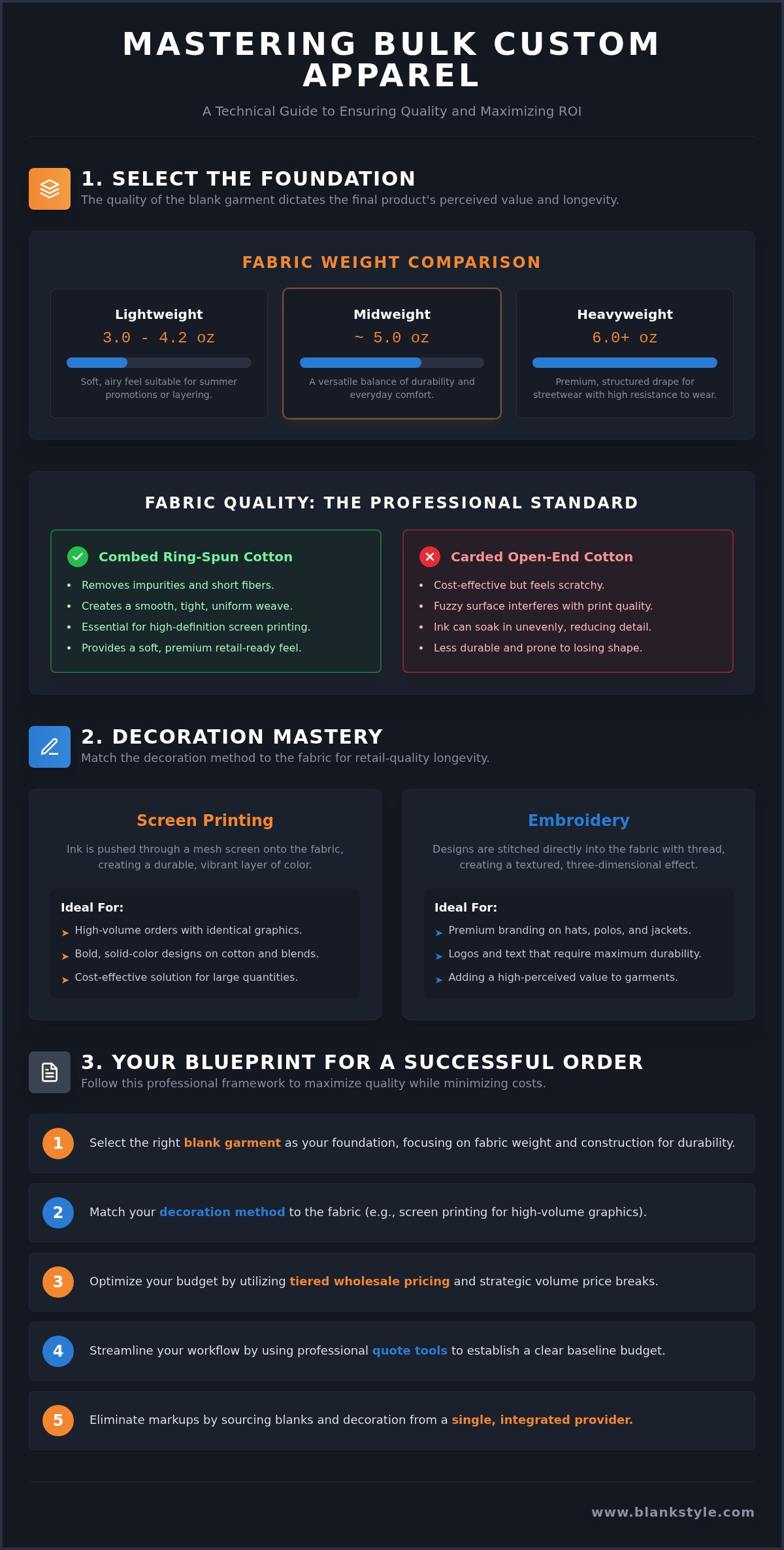
Fabric weight is a primary technical specification. It is typically measured in ounces per square yard or GSM (grams per square meter). Lightweight fabrics, ranging from 3.0 to 4.2 oz, provide a soft, airy feel suitable for summer promotions or layering. Midweight options around 5.0 oz offer a balance of durability and comfort. For a premium streetwear aesthetic, heavyweight t-shirts (6.0 oz and up) provide a structured drape and high resistance to wear. These heavier options often command a higher retail price point because they feel substantial to the end-user.

The refinement of the cotton fiber is equally critical. Carded open-end cotton is cost-effective but feels scratchy and has a fuzzy surface that can interfere with print quality. Combed ring-spun cotton is the professional standard. It undergoes a process that removes short fibers and impurities, resulting in a smooth, tight weave. This smooth surface is essential for high-definition screen printing, as it allows the ink to sit evenly on the fabric rather than soaking into loose, uneven fibers. Utilizing retail-ready brands like Bella + Canvas or Next Level Apparel ensures your bulk custom shirts meet modern consumer expectations for softness and consistency.

Fabric Composition: Cotton, Polyester, and Blends

100% cotton remains the industry gold standard for breathability and traditional ink absorption. It works seamlessly with most printing methods. Polyester and performance blends are engineered for moisture-wicking and athletic use. These fabrics require specialized inks and temperature controls to prevent dye migration, which is when the garment’s color bleeds into the print. CVC (Chief Value Cotton) and Tri-blends offer a “heathered” or vintage appearance. These fabrics provide superior softness and a slight stretch, making them ideal for lifestyle brands that prioritize a premium hand-feel and comfortable fit.

Fit and Style Considerations for Volume Orders

Choosing the right silhouette is a logistical decision. Unisex fits provide broad appeal and simplify sizing for large events. Fashion fits are more tailored, featuring side-seams that prevent the shirt from twisting or losing its shape after washing. You can differentiate your merchandise by incorporating specialty cuts like crop tops for a modern, trend-focused aesthetic. When planning your bulk custom shirts order, a standard “bell curve” distribution is a reliable baseline, though you should adjust based on your specific demographic data to avoid leftover inventory in extreme sizes.

Decoration Mastery: Comparing Screen Printing and Embroidery for Bulk Orders

Choosing the right decoration method for bulk custom shirts is a technical decision based on the garment’s fabric and its intended lifespan. Professional decoration ensures longevity that DIY or low-end transfers cannot match. High-quality prints or stitches should withstand dozens of industrial washes without significant degradation. Before full production begins, the process includes digital proofs or strike-offs. These samples allow you to verify color accuracy and placement against your original artwork. For a deep technical dive into specific printing techniques, consult our Custom Screen Printing Services Pillar.

The decoration method must align with the substrate. For instance, a lightweight cotton tee reacts differently to ink than a polyester performance blend. Selecting the wrong method can lead to issues like dye migration on synthetics or puckering on thin knits. You must also consider legal compliance for finished goods. When preparing your designs for resale, ensure you follow labeling requirements for apparel to maintain industry standards. This transparency builds trust with your end-users and ensures your brand meets federal guidelines for fiber content and care instructions.

A professional partner helps navigate these variables to ensure the final product matches your vision and budget. By understanding the mechanical differences between ink and thread, you can make informed choices that enhance the durability of your apparel.

Screen Printing: The High-Volume Standard

Screen printing remains the high-volume industry standard. The process involves pushing ink through a fine mesh screen directly onto the fabric, creating vibrant, opaque designs. Cost is primarily driven by color count and setup fees. Each color requires a separate screen; therefore, multi-color designs incur higher initial costs. Choosing between Plastisol and water-based inks allows you to prioritize either color opacity or a soft, breathable hand-feel for your bulk custom shirts. For a comprehensive overview of managing large-scale production from sourcing through decoration, our bulk shirt printing sourcing and decoration guide covers the full logistical workflow in detail.

Custom Embroidery: Adding Premium Texture

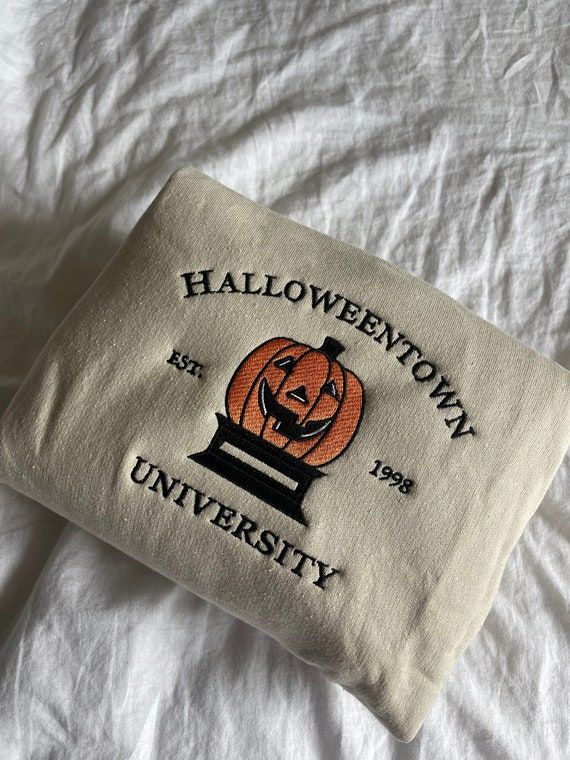
Custom embroidery adds a premium, three-dimensional texture to structured items like hats or hoodies. It requires digitizing, which converts vector artwork into a machine-readable stitch file. Embroidery services are exceptionally durable, often outlasting the garment itself, making them ideal for corporate workwear. It provides a professional aesthetic that increases the perceived value of the merchandise.

You can compare decoration options using our instant quote tool to see how each method impacts your per-unit cost.

Maximizing ROI: Understanding Wholesale Tiered Pricing and Logistics

Return on investment in apparel isn’t solely about finding the lowest price per item. It’s about managing the total landed cost. When you order bulk custom shirts, you’ll encounter the “Price Break” concept. These are specific volume thresholds where the cost per unit drops significantly. It’s a common industry occurrence where ordering 72 units actually results in a lower total bill than ordering 50 units because you’ve moved into a more favorable discount tier. Understanding these breaks allows you to scale your order to maximize value without overextending your budget.

The final per-unit price is a combination of the blank garment cost and the decoration cost. Balancing these two factors is essential for maintaining your margins. Sourcing both the blanks and the decoration from a single provider eliminates middleman markups that often inflate costs. To master these financial strategies, check The Ultimate Guide to Sourcing Wholesale Blank T-Shirts in 2026 for detailed pricing insights.

Decoding Tiered Pricing Structures

Industry standards typically set major price breaks at 12, 36, 72, and 144 units. Beyond these quantities, you often transition from “piece pricing” to “case pricing.” Ordering in full manufacturer increments reduces labor in the warehouse, and those savings are passed to you. You must also account for technical fees that can impact your ROI. These include screen setup fees, digitizing fees for embroidery files, and flash charges for printing light colors on dark fabrics. The American Screen Printing Association provides resources that help professionals understand these technical standards to avoid unexpected expenses during the billing process.

Logistics and Lead Times for National Shipping

Efficient logistics are just as important as the price per shirt. You need to distinguish between production time and transit time. Production covers the days spent in the shop, while transit is the time your order spends with the carrier. Planning your project timeline at least 14 days in advance helps you avoid expensive rush fees. Choosing stocked brands like Gildan ensures faster fulfillment because the inventory is readily available. Overhead is further reduced by utilizing Blankstyle’s free shipping on orders over $69. For brands looking to scale without warehouse costs, drop-shipping solutions can move bulk product directly to your retail locations or end customers.

How to Order Bulk Custom Shirts: The Professional’s Step-by-Step Guide

Step-by-Step: How to Place a Bulk Custom Shirt Order

Ordering bulk custom shirts is a technical operation that demands a structured workflow. Managing a large-scale project requires more than a simple transaction; it involves precise coordination between design specifications and manufacturing capabilities. Utilizing an instant quote tool establishes your baseline budget early in the process. This transparency prevents cost overruns and allows you to adjust garment choices or decoration methods before committing funds. While automated tools provide speed, customer service representatives play a vital role in finalizing technical production details, such as ink density or stitch counts. A 60-day return policy on blank apparel serves as a professional safety net, ensuring you only pay for quality that meets your standards. For businesses that value this level of craftsmanship in their own offerings, you can discover Blackhand Coffee Co and their commitment to excellence for coffee connoisseurs.

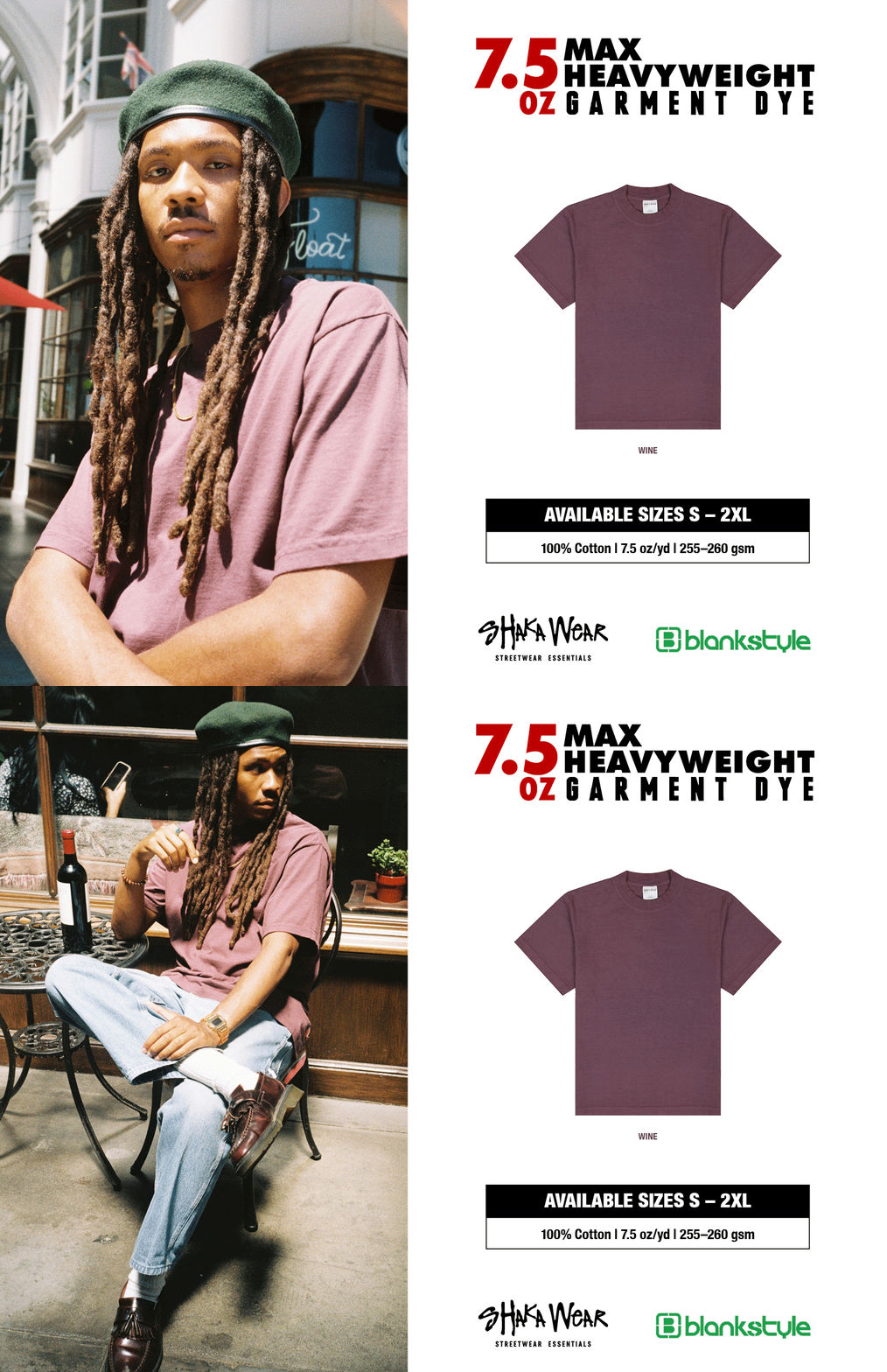
Successful production begins with the file type. Screen printing requires vector files, typically in .AI or .EPS formats, because they can be scaled infinitely without losing resolution. Raster files, like JPEGs, often result in jagged edges or blurry prints. Print-Ready Artwork consists of high-resolution vector files with outlined fonts to ensure text renders correctly across different systems. Sourcing the right garment is equally important for brand alignment. You can match your budget and aesthetic to specific brands, such as Comfort Colors for a garment-dyed, lived-in feel, or Shaka Wear for an ultra-heavyweight streetwear silhouette. Choosing the right base ensures the final shirt printing result looks as intended.

Phase 2: Quoting, Proofing, and Production

The next stage involves balancing costs through the instant quote tool. This allows you to compare different garment and decoration combinations in real-time. Once the order is initiated, the digital proof is your most critical checkpoint. Review this document carefully for placement, print dimensions, and color accuracy. Giving the “green light” on a proof is a binding step in the production cycle. During the actual run, professional decorators implement final quality control measures to verify consistency across a 500-unit run. This ensures the first shirt matches the last in terms of ink opacity and placement. This methodical approach guarantees that your bulk custom shirts arrive exactly as specified.

Ready to start your project? Get an instant quote to establish your production budget today.

Scaling Your Brand with Blankstyle’s Custom Solutions

Scale is a logistical challenge that requires a transition from one-off projects to a sustainable supply chain. Blankstyle functions as a long-term partner for corporate entities and emerging apparel brands. With industry experience dating back to our founding in 2004, we provide the stability needed to manage high-volume production. This allows you to focus on design and marketing while we handle the technical complexities of manufacturing and fulfillment. Our goal is to make the process of ordering bulk custom shirts as predictable and efficient as possible. If you are also looking to expand your brand with high-quality custom pins, read more about how to select the best options for your logo.

Growth often involves moving beyond the standard tee. Diversifying your inventory with sweatshirts or bags increases your brand’s utility for the end-user. Seasonal shifts are the perfect time to introduce hoodies and hats. For those targeting specific niches, kids’ t-shirts offer a way to reach family-oriented markets. Premium brands often select Independent Trading Co for their superior fleece construction, which provides a high-end feel that justifies a premium price point. Expanding your catalog allows you to maximize your reach without finding a new supplier for every product category.

The Blankstyle Advantage: Reliability at Scale

Reliability is the foundation of scale. Our no-nonsense logistics facilitate efficient delivery across the nation, ensuring your bulk custom shirts arrive on schedule. We offer pragmatic support that addresses the needs of both seasoned professionals and those scaling their first youth brand. Centralizing your blank sourcing and custom decoration eliminates middleman markups and simplifies your project management. This efficiency is supported by our 60-day return policy and free shipping on orders over $69, which helps you maintain tight control over your operational overhead. You get the benefits of a large-scale operation while maintaining the individual service required for specific brand projects.

The right partnership turns a complicated process into a repeatable success. Establishing your budget is the first step toward professional-grade apparel. Get an instant quote for bulk custom shirts and start your next project today.

Optimizing Your Custom Apparel Strategy

Successful procurement relies on a synchronized approach to garment selection and decoration logistics. You now have the professional framework to choose high-quality blanks, select the most durable decoration methods, and utilize tiered pricing to protect your bottom line. Ordering bulk custom shirts shouldn’t be a process of trial and error; it’s a technical operation that results in retail-ready merchandise. By aligning your brand’s aesthetic with the right fabric weights and print techniques, you ensure a consistent finished product that meets consumer expectations.

Blankstyle has been a trusted wholesale supplier since 2004, providing the logistical competence needed for large-scale apparel projects. We support your growth with free shipping on orders over $69 and an industry-leading 60-day return policy on blanks. This stability allows you to scale your brand with confidence and precision. Get an Instant Quote on Bulk Custom Shirts and take the first step toward a more efficient, professional supply chain. Your next project is ready for a steady hand and expert execution.

Frequently Asked Questions

What is the minimum order quantity for bulk custom shirts?

Minimums vary based on the specific decoration service. While blank apparel often has no strict minimum, custom screen printing typically requires at least 12 to 24 units to offset setup costs. Embroidery minimums can be lower depending on the project complexity. Utilizing tiered pricing ensures you get the best value as your volume increases. Check the instant quote tool for specific minimums on your chosen garment.

Which file format is best for screen printing artwork?

Vector files are the professional standard for screen printing. Formats such as .AI, .EPS, or high-resolution .PDF allow for infinite scaling without loss of clarity. These files ensure your logo has crisp edges and accurate color separation. Avoid using raster images like JPEGs or PNGs for bulk custom shirts, as these often result in blurry or pixelated prints that fail to meet retail quality standards.

How long does it typically take to receive a bulk custom order?

Standard production and delivery for bulk orders typically takes between 8 and 14 days. This timeline includes the period for artwork approval, garment sourcing, and the physical decoration process. Transit time varies based on your national location relative to the shipping hub. It’s best to plan your project at least two weeks in advance to ensure on-time delivery and to avoid expensive rush fees for urgent deadlines.

Can I mix and match shirt sizes and colors within a bulk order?

You can mix and match different shirt sizes within a single bulk order to accommodate your entire group. Mixing garment colors is also possible as long as the ink color and design remain consistent across the run. If you need to change ink colors, such as white ink on black shirts and black ink on white shirts, a color change fee may apply. This flexibility helps you meet diverse audience needs while maintaining wholesale pricing. For those planning coordinated group outfits, click here to see how Adorb Custom Tees utilizes these options for their matching collections.

Screen printing is the superior choice for bulk custom shirts due to its durability and cost-efficiency at scale. It utilizes thick plastisol or water-based inks that bond deeply with the fabric. Direct-to-Garment (DTG) is better suited for small, one-off orders with complex photographic details. For orders over 24 units, screen printing provides a more vibrant finish and a much lower per-unit cost than digital alternatives.

Does Blankstyle offer free shipping on bulk decorated orders?

Free shipping is available on all orders over $69, including bulk decorated apparel. This policy helps reduce the total landed cost of your project by eliminating standard ground freight charges. Since most bulk orders easily exceed this threshold, you can count on significant logistical savings. This benefit applies to our entire national service area, ensuring that your budget goes toward garment quality rather than shipping overhead.

What should I do if I need a sample before placing a large bulk order?

We recommend ordering a single blank garment to verify the fit, fabric weight, and color before committing to a full production run. This is the most efficient way to ensure the base shirt meets your brand standards. Blankstyle offers a 60-day return policy on blank items, providing a risk-free way to test different styles. For the decoration itself, you’ll receive a digital proof to confirm placement and sizing before printing begins.

Are there extra fees for oversized shirts (2XL+) in bulk orders?

Most apparel manufacturers apply a slight upcharge for oversized garments, typically starting at 2XL and increasing for larger sizes. These plus-size fees reflect the additional fabric and specialized handling required during the manufacturing process. These costs are passed through at the wholesale level. When using the instant quote tool, ensure you enter the specific quantity of each size to see an accurate total that includes these standard industry adjustments.

Custom Screen Printing Services: The Professional Guide to Bulk Apparel Decoration

High-performance apparel decoration isn’t just about the ink. It’s the final link in a technical chain that begins with fabric selection and ends with logistical precision. To stay competitive, brands must leverage professional custom screen printing services that prioritize consistency across every unit. With the industrial screen printing market projected to reach 1.0143 billion dollars in 2026, the competition for retail shelf space is tighter than ever. You already know that scaling a brand requires more than a great design. It’s frustrating to receive a bulk shipment only to find inconsistent print quality or blanks that shrink and ruin the artwork after one wash. Hidden setup fees and fragmented sourcing only add to the friction of growing your business.

This guide helps you master the technical and logistical requirements of bulk decoration to build a more profitable apparel brand. We’ll show you how to achieve retail-quality merchandise through better fabric-ink compatibility and predictable tiered pricing. You’ll also learn about critical 2026 regulatory updates, including the California SB 707 registration deadline and new CPSC eFiling requirements for importers. We’ll preview the essential steps to integrate blank sourcing with professional decoration for a seamless, scalable production workflow.

Key Takeaways

  • Learn why stencil-based ink application remains the industry standard for durability and color vibrancy in professional apparel decoration.
  • Identify the specific vector artwork formats required to maintain technical precision and scalability for high-volume production runs.
  • Discover how to match fabric compositions with specific techniques to prevent dye migration when utilizing custom screen printing services.
  • Maximize your profit margins by understanding how volume tiers and the number of print locations impact your final unit costs.
  • Reduce logistical friction and shipping costs by integrating blank apparel sourcing and decoration into a single, streamlined workflow.

The Fundamentals of Custom Screen Printing for Apparel Brands

Professional screen printing is a stencil-based ink application process. The fundamentals of screen printing involve forcing ink through a tensioned mesh screen onto a garment. This method remains the industry standard for durability and color vibrancy because the ink sits in a thick, opaque layer on the fabric. Unlike digital methods that soak into the fibers, screen-printed designs maintain their integrity over time. For brands scaling their operations, utilizing professional custom screen printing services ensures that logos and graphics remain crisp after dozens of wash cycles.

The choice between screen printing and Direct-to-Garment (DTG) is an economic decision based on volume. Screen printing has high initial setup costs due to the labor required to create screens. However, the per-unit cost drops significantly as the order quantity increases. Most brands transition to screen printing once they reach orders of 24 units or more. Technical factors like mesh count also dictate the final result. Higher mesh counts allow for intricate, fine-line detail. Lower mesh counts deposit more ink, which is vital for heavyweight t-shirts to ensure the design doesn’t look thin or transparent.

The Anatomy of a Screen Print Order

Every color in your artwork requires a separate screen. A design with four colors requires four color separations and four individual screens. On dark garments, printers use a “flash” process. This involves heating an underbase layer of white ink before printing additional colors on top. This technique prevents the garment color from dulling the vibrancy of the ink. Because of the labor involved in press calibration and screen burning, a 12-piece minimum is standard for professional-grade setups. Smaller runs aren’t cost-effective for high-volume production schedules.

Plastisol vs. Water-Based Inks

For labels that focus on a vintage aesthetic, such as Memento Mori Clothing, choosing between these ink types is a critical decision that defines the final look and feel of their heavyweight hoodies and tees.

Plastisol is the primary ink used by custom screen printing services. It’s durable, easy to pantone match, and provides the high opacity essential for streetwear brands like Shaka Wear. Water-based and discharge inks offer a “soft-hand” feel by soaking into the fabric fibers. Premium retail brands often prefer water-based inks for a breathable, vintage aesthetic. These inks work best on 100% cotton fabrics where the pigment can properly bond with the material without the risk of dye migration from synthetic fibers.

Technical Precision: Optimizing Artwork for Professional Printing

Professional results depend on the quality of the source file. Custom screen printing services require specific technical parameters to translate a digital image into a physical stencil. If the artwork is flawed, the final print will reflect those imperfections regardless of the quality of the printing press. Ensuring your files are print-ready is the first step toward a successful bulk production run.

Vector vs. Raster: Why File Type Matters

Vector art is the essential standard for high-volume screen printing because it allows for infinite scaling without losing edge definition. Unlike raster images, such as JPEGs or PNGs which rely on pixels, vector files use mathematical paths. When a low-resolution raster file is enlarged, it becomes pixelated and blurry, making it impossible to burn a crisp screen. To convert low-resolution images, designers must trace the paths to create a scalable AI, EPS, or PDF file. This ensures that every line remains sharp, whether it is printed on a pocket or a full back hit.

Managing complex designs requires an understanding of half-tones. These are patterns of small dots that vary in size to simulate gradients and shadows. High-mesh screens are necessary for these designs to prevent the dots from blurring together. For brand consistency, the Pantone Matching System (PMS) is the industry standard. It ensures your brand colors remain identical across different garments, whether you are printing on a Bella Canvas jersey or a thick sweatshirt.

Common artwork pitfalls include lines that are too thin to hold ink. Most professional shops require a minimum line weight of 1pt and a minimum font size of 12pt for legibility. If design elements are too small, the ink will bleed together, resulting in a closed or muddy appearance. Before finalizing your order, check your design for these technical constraints to avoid production delays.

Print Placement and Sizing Standards

Scaling artwork for a range of garment sizes is a logistical challenge. A design that looks perfect on a Large wholesale t-shirt might look too small on a 4XL or too large on an XS. Brands often create two sets of screens to maintain visual balance across the size run. Standard placements include center chest, left chest, and back hits. You must keep artwork within safe zones, avoiding seams, zippers, and collars where the printing surface is uneven. For those looking to start a new project, our instant quote tool can help you calculate costs based on your specific placement and color requirements.

Matching Blanks to Print Techniques: Fabric Compatibility

The success of custom screen printing services depends on the synergy between ink chemistry and fabric composition. Choosing the wrong blank can lead to poor ink adhesion, distorted graphics, or catastrophic dye migration. Professional apparel brands treat the garment as a technical foundation rather than a simple canvas. Understanding how different fibers react to heat and ink deposits is essential for maintaining retail-quality standards across high-volume orders.

100% cotton remains the gold standard for apparel decoration. Natural fibers provide superior ink adhesion and color clarity because the surface is porous and stable. When printing on polyester or performance fabrics, brands face the challenge of dye migration. This occurs when the garment’s synthetic dyes turn into gas during the heat curing process, bleeding into the screen-printed ink. To prevent a white print from turning pink on a red polyester shirt, printers must use specialized low-bleed inks and poly-blocker bases.

Fabric weight, measured in grams per square meter (GSM), also influences the final aesthetic. Heavy ink deposits, typical in streetwear designs, require a stable base to prevent the garment from sagging or puckering. Sourcing heavyweight t-shirts ensures the fabric has the structural integrity to support multi-color designs without compromising the drape of the shirt. Conversely, lightweight fashion tees are better suited for high-mesh counts and thinner ink layers.

Cotton, CVC, and Tri-Blends

  • 100% Cotton: Ideal for vibrant, opaque plastisol prints. It withstands high curing temperatures without scorching.
  • CVC (Chief Value Cotton): These blends are typically 60% cotton and 40% polyester. They offer a durable, cost-effective alternative that holds fine detail well while providing increased wrinkle resistance.
  • Tri-Blends: Composed of cotton, polyester, and rayon. These fabrics are best for achieving a vintage, heathered look. They require thinner ink layers to maintain their signature soft feel.

Brand-Specific Performance

Different manufacturers engineer their fabrics for specific use cases. Sourcing from Gildan is a strategic choice for high-volume, cost-sensitive promotional runs where durability and value are the primary drivers. For brands targeting a premium retail market, Bella Canvas provides Airlume combed and ring-spun cotton that ensures a smooth printing surface with minimal stray fibers. The Bella Canvas 3001 is particularly favored by premium brands for its 4.2-ounce construction and consistent batch-to-batch quality that supports high-volume screen printing. If your brand prioritizes modern fits and a soft-hand feel, Next Level Apparel offers high-quality CVC and jersey fabrics that perform consistently under professional screen printing conditions. Selecting the right brand ensures your wholesale t-shirts align with your target price point and quality expectations.

Custom Screen Printing Services: The Professional Guide to Bulk Apparel Decoration

Maximizing ROI: Pricing Factors and Bulk Ordering Strategies

Screen printing is a volume game. The economic efficiency of custom screen printing services relies on the inverse relationship between order quantity and unit price. High initial setup costs, including screen preparation and press calibration, are spread across more units as the order size grows. For apparel brands, managing the cost of goods sold (COGS) is vital for maintaining healthy profit margins. Sourcing wholesale blank t-shirts directly from your decorator is the most effective way to lower these costs by eliminating double shipping and administrative friction.

Variables like print locations and color counts directly impact your bottom line. Every additional print location, such as a sleeve hit or a back graphic, requires a separate set of screens and a new pass through the dryer. Similarly, the color count is a primary cost driver. A design with five colors requires five screens and five distinct ink setups. Simplifying your palette or using the garment color as a “negative space” element can significantly reduce production expenses without compromising the visual impact of your merchandise.

Understanding Setup and Screen Fees

Setup fees cover the technical labor required to prepare your project for the press. This includes creating film positives, coating screens with light-sensitive emulsion, and burning the images using UV light. Precise press calibration ensures that each color aligns perfectly, a process known as registration. You can maximize your ROI by reusing designs across different garment styles. A single set of screens can often be used for both hoodies and t-shirts if the artwork dimensions remain consistent. This strategy allows you to launch a multi-product collection without paying for duplicate setup labor.

Volume Tiers and Price Breaks

Professional print shops operate on tiered pricing structures where significant “price breaks” occur at specific quantities. Common sweet spots in wholesale ordering include 72, 144, and 500 units. To hit these higher tiers, brands should consolidate orders. You can often mix different garment colors of the same style to reach a higher volume break, provided the ink colors remain the same. If you’re planning a complex brand launch, integrating embroidery services for headwear or outerwear alongside your screen-printed goods can create a cohesive retail presence. Use our instant quote tool to forecast your project budget and identify the most profitable volume for your next run.

Streamlining Your Supply Chain with Integrated Logistics

Logistical efficiency is the backbone of a successful apparel brand. Sourcing blanks and decoration from separate vendors creates unnecessary friction. It increases shipping costs. It extends lead times. Using a single national provider for custom screen printing services eliminates these bottlenecks. This integrated approach removes the middleman between the wholesaler and the printer. It ensures quality control through a unified supply chain. From the initial garment selection to the final fold, every step happens under one roof. This minimizes the risk of errors. It ensures that the final product meets retail standards. A well-oiled supply chain is the difference between a profitable launch and a logistical nightmare. To further enhance your operational speed, find out more about how professional in-house label printing solutions can streamline your shipping and inventory management.

Modern e-commerce requires hands-off fulfillment solutions. High-turnover brands need to scale without the burden of warehouse overhead. Integrating custom screen printing into a drop-shipping model allows for seamless inventory management. You focus on design and marketing while the production hub handles the logistics. This model supports rapid growth from small batches to national distribution. Efficient fulfillment centers manage the transition effortlessly. It allows brands to maintain lean operations while meeting high consumer demand. Digital inventory tracking ensures you never miss a sales opportunity due to stockouts. Scaling your brand becomes a matter of digital coordination rather than physical labor. While managing your brand’s digital growth, ensure your physical headquarters reflects that same modern aesthetic with curated furniture and decor from elevenpast.

Reliability comes from industry experience and logistical competence. Founded in 2004, Blankstyle prioritizes business-to-business efficiency and stability. We provide access to a massive catalog of premium brands, including Comfort Colors and Independent Trading Co. This selection ensures you find the exact fit and fabric for your target audience. Our national logistics network offers free shipping on orders over $69. This reduces your total cost of goods sold. A 60-day return policy on blanks provides additional security for your inventory planning. We understand the technical requirements of high-volume decoration. Our team acts as a steady hand in a fast-moving industry. This level of professional support is essential for brands looking to dominate the apparel market. Get an instant quote for your custom screen printing project today and experience a more efficient supply chain.

Scaling Your Apparel Brand with Precision Logistics

Building a scalable apparel brand requires a shift from creative design to technical execution. Success depends on aligning your vector artwork with the correct fabric composition to ensure lasting durability. By mastering volume price breaks and consolidating your supply chain, you minimize production friction and maximize your profit margins. Professional custom screen printing services provide the consistency needed to compete in a crowded retail market, turning your vision into high-performance merchandise.

Efficiency is the primary driver of growth. Sourcing blanks and decoration from a single provider reduces lead times and eliminates double shipping costs. We offer wholesale pricing for everyone, ensuring your project stays within budget regardless of scale. Orders over $69 qualify for free shipping, and our 60-day return policy on blank apparel provides the flexibility your business needs to manage inventory with confidence. You have the tools and technical knowledge to move forward. Start your custom screen printing order with an instant quote today and take the next step in your brand’s evolution.

Frequently Asked Questions

What is the minimum order for custom screen printing services?

Professional custom screen printing services require a labor-intensive setup process. Most high-volume shops establish a 12-piece minimum to ensure cost-efficiency for the customer. Smaller runs are typically better suited for digital methods like DTG. For apparel brands, reaching higher volume tiers significantly reduces the unit cost of production. Use our instant quote tool to see how different quantities affect your project’s final bottom line and logistical planning.

How many colors can I include in my screen printed design?

You can include multiple colors, but each one requires a separate mesh screen and a distinct setup process. Most automatic presses can handle up to 10 or 12 colors per location. However, increasing the color count raises the total cost of custom screen printing services. Simplifying your palette or using the garment color as a negative space element helps maintain a high-impact design while keeping your production expenses manageable.

Can I screen print on different garment types in the same order?

Yes, you can mix different garment types like t-shirts and hoodies within a single order. This strategy allows you to hit higher volume price breaks across your entire inventory. The primary requirement is that the ink colors and design dimensions must remain identical across all items. If you change the artwork size to fit both a crop top and a heavyweight t-shirt, it will require a separate set of screens. To further expand your brand’s merchandise variety beyond standard printing, you can discover B-BAM! Inc. for their high-quality custom patch options.

Standard production times typically range from 7 to 14 business days after artwork approval. This timeline accounts for screen burning, press calibration, and final quality control checks. Factors like the complexity of the design and current seasonal volume can influence the schedule. We recommend planning your project well in advance of your launch date. Rush options are often available for brands operating on tighter national distribution deadlines.

Does the fabric type affect the quality of the screen print?

Fabric composition is a critical factor in print quality and garment durability. 100% cotton is the industry standard for vibrant results because the fibers bond effectively with the ink. Synthetic fabrics like polyester require low-bleed inks to prevent dye migration. Blends like CVC or tri-blends offer a softer feel but may result in a more heathered look. For materials that are difficult to print on directly, A1 Promotions Ltd. explains how custom patches can serve as a durable and professional branding alternative. Choosing the right blank ensures your design remains crisp through repeated washes.

Maximizing your ROI involves consolidating orders to reach higher volume price breaks. Focus on reducing the number of print locations and colors to minimize setup labor. Sourcing your wholesale blanks and decoration from a single provider also reduces shipping overhead. We offer free shipping on orders over $69, which significantly lowers your total cost of goods sold. Utilizing tiered pricing allows you to scale your brand more profitably.

Can I provide my own blanks for screen printing?

While some shops allow customers to provide their own garments, sourcing blanks directly through your decorator is more efficient. We maintain an extensive catalog of brands like Gildan and Bella Canvas, ensuring technical compatibility with our inks. Providing your own blanks often complicates the logistics and quality control process. Integrated sourcing ensures that any production errors are handled within a single, unified supply chain without unnecessary administrative friction.

How do I ensure my brand colors are matched exactly?

Maximizing your ROI involves consolidating orders to reach higher volume price breaks. Focus on reducing the number of print locations and colors to minimize setup labor. Sourcing your wholesale blanks and decoration from a single provider also reduces shipping overhead. We offer free shipping on orders over $69, which significantly lowers your total cost of goods sold. For those looking to further optimize their local fulfillment and inventory tracking, check out DuraFast Label Company Canada. Utilizing tiered pricing allows you to scale your brand more profitably. Before placing your first large-scale order, review our professional step-by-step framework for ordering bulk custom shirts to avoid common pitfalls and protect your production budget.

5 Strategic Tips for Sourcing Bulk Apparel for Screen Printing in 2026

Sourcing bulk apparel for screen printing is more than a simple transaction; it’s a critical business decision that directly impacts your brand’s quality, profitability, and scalability. Choosing the wrong garment can lead to print defects, customer complaints, and shrinking margins. The right choice, however, streamlines production, enhances your final product, and builds a loyal customer base. This guide moves beyond simple price lists to provide a strategic framework for brand owners and print shop managers to master high-volume sourcing.

Master the logistics of high-volume garment sourcing to maximize your printing margins and brand quality. We’ll cover the economics of bulk ordering, fabric-to-ink compatibility, brand selection, and the integrated workflow that combines sourcing with custom decoration.

The Economics of Sourcing Bulk Apparel for Screen Printing

Understanding the financial side of bulk sourcing is the first step toward building a profitable apparel business. It’s not just about finding the cheapest shirt; it’s about understanding the systems that unlock true value at scale. From tiered pricing to landed costs, every detail affects your bottom line.

  • Defining “Bulk”: In commercial screen printing, “bulk” isn’t a single number. It refers to a quantity large enough to unlock wholesale pricing tiers—often starting at a dozen, with significant price breaks at case or multi-case levels.
  • Tiered Pricing: This is the core of wholesale. As your order volume increases, the per-unit cost of each garment decreases. Strategic ordering allows you to maximize these price breaks.
  • Wholesale Accounts: Setting up a wholesale account provides access to manufacturer-direct inventory, deeper discounts, and a wider selection than retail-facing sites.
  • Logistical Efficiency: Sourcing blanks and securing printing services from a single partner simplifies your supply chain, reducing shipping costs, communication overhead, and potential points of failure.

Understanding Tiered Pricing Models

Tiered pricing is designed to reward volume. Suppliers structure costs to incentivize larger orders, which is essential for brands looking to scale. For a comprehensive overview on this topic, our guide on how to buy t-shirts in bulk provides an excellent foundation.

  • Price Break Tiers: Pricing is often broken down by the piece, the dozen, and the case. A case (e.g., 72 shirts of the same style, color, and size) typically offers the most aggressive per-unit discount.
  • Calculating Break-Even Volume: Before launching a new apparel line, use your supplier’s tiered pricing to calculate how many units you need to sell to cover your initial investment in blanks and printing. This informs your retail pricing and marketing budget.
  • Color-Specific Pricing: Be aware that certain colors, especially heathers and neons, can have different price points than standard white or black shirts due to more complex dyeing processes. Factor this into your bulk order total.

The Hidden Costs of Cheap Blanks

The sticker price of a blank garment is only part of the story. A cheap shirt can become expensive quickly if you don’t account for the total cost of getting it ready for sale.

  • Shipping Fees: High shipping costs can easily erode the thin margins on promotional apparel. Look for suppliers who offer free shipping thresholds to mitigate this expense.
  • Quality-Related Return Rates: A low-quality garment that shrinks, tears, or features inconsistent sizing will lead to higher customer return rates, negating any initial savings from a low purchase price.
  • Landed Cost Definition: The landed cost is the total expense of a product once it has arrived at your door, including the unit price, shipping, taxes, and any other fees.

Tip 1: Matching Fabric Composition to Printing Techniques

The success of a screen print is determined before a single drop of ink is applied. The garment’s fabric composition is the canvas for your art, and choosing the right one is a technical necessity. Different blends react uniquely to inks, heat, and curing processes.

  • 100% Cotton: The industry gold standard. Its natural fibers are highly absorbent, making it ideal for plastisol and water-based inks. It produces vibrant, opaque prints with sharp detail.
  • CVC (Chief Value Cotton): Typically a 60/40 or 50/50 cotton/polyester blend, CVC offers the softness of cotton with the durability and shrink-resistance of polyester. It provides a great balance for a soft hand-feel that still holds ink well.
  • Tri-blends: A mix of cotton, polyester, and rayon, these garments are exceptionally soft and create a distinct “vintage” or heathered print aesthetic, as the ink absorbs differently into each fiber type. Printing on tri-blends requires specific inks and techniques to avoid a faded look.
  • 100% Polyester: Common in performance and athletic wear, polyester requires special low-bleed poly inks and careful temperature control during curing to prevent “dye migration,” where the fabric’s dye leeches into the ink and discolors the print.

Ink Absorption and Fabric Weight

The physical construction of the fabric plays a major role in the final print quality. Weight and thread count are not just about feel; they are technical specifications that affect how ink sits on the garment.

  • Heavyweight vs. Lightweight: Heavyweight t-shirts, with their thicker weave, are excellent for high-density prints that require a stable, opaque base. Lightweight fabrics are softer but may require an underbase for vibrant colors.
  • Thread Count (Singles): A higher “singles” number (e.g., 30 singles) indicates a finer, softer yarn and a smoother printing surface. This results in more detailed and less textured prints compared to a lower singles count (e.g., 18 singles).
  • Water-Based vs. Plastisol Inks: Water-based inks soak into the fabric for a super-soft feel, making them ideal for 100% cotton. Plastisol inks sit on top of the fabric, creating a brighter, more durable print that works well on a wider variety of blends.

Shrinkage and Heat Press Stability

Every screen print must pass through a dryer to cure the ink, making heat stability a non-negotiable factor in your garment choice.

  • Pre-shrunk vs. Non-shrunk: Always opt for pre-shrunk blanks for retail products. This minimizes dimensional changes after the customer’s first wash, protecting your brand’s reputation for quality.
  • Synthetic Fiber Reactions: Polyester and other synthetics can scorch or melt if exposed to excessive heat during the flash curing process. Your print partner must use appropriate temperatures for these sensitive fabrics.
  • Ring-Spun Cotton: This process creates a stronger, softer, and more durable cotton yarn. For high-end retail brands, ring-spun cotton is essential as it provides a premium feel and a superior printing surface that justifies a higher price point.

Tip 2: Selecting the Right Brands for Scalability

Brand consistency is paramount for any growing apparel line. When a customer buys a shirt in May, they expect the same fit, feel, and quality when they buy another in November. Sourcing from reliable, established brands with consistent stock ensures you can meet that expectation.

  • Gildan: An industry workhorse, Gildan is known for its cost-effective, durable garments, making it a top choice for promotional events, uniforms, and high-volume merchandise.
  • Bella+Canvas: The preferred choice for modern, retail-ready brands. Bella+Canvas focuses on fashion-forward fits, soft fabrics, and a wide array of contemporary colors.
  • Next Level & Independent Trading Co: These brands excel in specific niches. Next Level is a strong competitor to Bella+Canvas in the fashion-fit space, while Independent is a go-to for premium hoodies and sweatshirts.
  • Model Number Consistency: Relying on specific model numbers like the Gildan 5000 or Bella+Canvas 3001 is crucial. It guarantees that you are reordering the exact same product, ensuring consistency across production runs.

The “Big Three” of Wholesale Apparel

While hundreds of models exist, a few key styles dominate the market due to their balance of quality, cost, and printability.

  • Gildan 5000: The quintessential heavyweight cotton tee. It’s a durable, budget-friendly option perfect for mass distribution and promotional campaigns. See our full selection of Gildan wholesale apparel.
  • Bella+Canvas 3001: This model set the standard for a “retail-ready” tee. Made from soft, 100% airlume combed and ring-spun cotton, its modern fit and smooth surface are ideal for high-end brand merchandise. Explore our collection of Bella+Canvas blanks.
  • Next Level 3600: A strong contender in the fashion-fit category, the 3600 offers a similar soft feel and fit to the 3001, often serving as a popular alternative for brands seeking a slightly different color palette or price point.

Stock Reliability and Color Consistency

Scalability depends on your ability to source the same product repeatedly. A great design on a discontinued shirt is a dead-end for your brand.

  • Avoid Closeouts: While “closeout” or discontinued styles offer deep discounts, they are a significant risk for any recurring order. Stick with core, in-stock styles from major manufacturers.
  • Color Matching: Ensure the “Royal Blue” of your chosen t-shirt matches the “Royal Blue” of the hoodie from the same brand. Reputable manufacturers work to maintain color consistency across their product lines.
  • Ethical Sourcing: Evaluate a manufacturer’s transparency regarding their labor practices and environmental impact. Partnering with ethically responsible brands can be a powerful part of your own brand’s story.

5 Strategic Tips for Sourcing Bulk Apparel for Screen Printing in 2026

Tip 3: Navigating High-Volume Logistics and Shipping

Once you’ve selected your garments, the next challenge is getting them efficiently and affordably. High-volume logistics involve more than just placing an order; it’s about managing inventory, minimizing costs, and ensuring quality control.

  • Meet Free Shipping Thresholds: Consolidate your orders to meet supplier minimums for free shipping. A small detail like this can add hundreds of dollars back to your budget over a year.
  • Utilize Generous Return Policies: A 60-day return policy provides a crucial buffer for large-scale production. It allows you to inspect garments thoroughly and return any defective units without financial loss.
  • Manage Blind Drop-Shipping: For e-commerce brands, blind drop-shipping allows you to ship directly from your wholesale supplier to your end customer, with your brand’s name on the package.
  • Implement Quality Control: Upon receiving a bulk shipment, immediately spot-check for common defects like stitching errors, holes, or incorrect sizing before sending the items to print.

Optimizing Your Shipping Strategy

An intelligent shipping strategy reduces both cost and delivery time, improving your operational efficiency and customer satisfaction.

  • Leverage Multiple Distribution Centers: Sourcing from a supplier with warehouses across the country reduces transit times and shipping costs, getting you blanks faster.
  • Calculate Order “Sweet Spots”: Determine the order size that maximizes your tiered pricing discounts while still qualifying for free or low-cost shipping. This is your most efficient order volume.
  • Handle International Logistics: If you serve a global market, partner with a supplier experienced in international shipping to handle customs, duties, and logistics seamlessly.

Inventory Management for Printers

How you manage your stock of blank apparel can make or break your production schedule and profitability.

  • “Just-in-Time” vs. Stockpiling: Just-in-Time sourcing minimizes storage costs but risks stockouts. Stockpiling popular blanks (like white Bella+Canvas 3001s) ensures you’re always ready for rush orders but ties up capital. A hybrid approach is often best.
  • Managing Backorders: Have a clear communication plan with your clients if a specific garment is on backorder. Offer suitable alternatives from your supplier to keep the project moving.
  • Use Your Return Window: A 60-day return window is a powerful inventory management tool. It gives you the flexibility to return overstock from a canceled order or exchange sizes that aren’t selling, reducing your financial risk.
  • Organizational Labeling: Streamlining your warehouse operations requires clear identification of stock; DymoOnline provides the professional labeling solutions needed to manage high-volume inventory and shipping logistics.

Tip 4: Streamlining the Custom Decoration Workflow

The most efficient way to manage bulk apparel for screen printing is to integrate your sourcing and decoration processes. Working with a partner who supplies the blanks and provides professional in-house printing eliminates logistical headaches, reduces shipping costs, and ensures accountability from a single point of contact.

  • Integrated Sourcing and Printing: Choosing a one-stop shop for both blanks and screen printing services saves time and money. The garments move directly from the warehouse to the print floor.
  • Decoration Fee Structures: Understand how factors like stitch count (for embroidery) and the number of colors and print locations (for screen printing) affect your bulk decoration fees.
  • Instant Quote Tools: Leverage online tools to get an immediate, all-in price for your project, including the cost of the blanks and the decoration. This is essential for rapid project planning and client quoting.
  • Premium Line Extensions: Easily transition from screen printing to embroidery to add premium items like hats, polos, or hoodies to your product line, all within the same streamlined workflow.

Calculating Custom Decoration Costs

Understanding the pricing model for custom work is key to protecting your margins on large orders.

  • Setup Fees vs. Per-Impression Charges: A one-time setup fee typically covers creating the screens. The per-impression charge is the cost to print one garment. In bulk orders, the setup fee’s impact is spread across many units, lowering the effective cost per piece.
  • Artwork Preparation: Provide high-resolution, print-ready artwork (vector files are preferred) to avoid art fees and ensure a crisp, clean print. Simplify your design by reducing the number of colors to lower costs.
  • Contract Printing Prices: For established wholesale customers or very high-volume orders, “contract printing” prices may be available, offering a further discount on decoration services.

Leveraging Professional Embroidery

Embroidery offers a high-perceived-value alternative to screen printing, perfect for corporate apparel, premium brand merchandise, and accessories.

  • When to Choose Embroidery: Opt for embroidery on items like polos, jackets, and hats. It provides a durable, textured, and professional look that screen printing cannot replicate.
  • *Best Blanks for Embroidery: Choose garments with a stable, heavyweight weave, like twill caps, fleece hoodies, or piqué polos, to support a high stitch count without puckering.

  • Scaling with Mixed Merchandise: A successful brand often offers a mix of products. Use screen printing for your high-volume graphic tees and embroidery for your premium items, or expand into promotional merchandise with rallytowels.com to diversify your appeal.

Frequently Asked Questions (FAQs)

What is the best fabric for bulk screen printing?

For vibrant, opaque prints, 100% ring-spun cotton is the gold standard. For a softer feel with good durability, a CVC (cotton/polyester) blend is an excellent choice. The “best” fabric ultimately depends on your desired print aesthetic, feel, and budget.

How many shirts do I need to buy to get wholesale pricing?

Wholesale pricing is typically unlocked when you buy in dozens or full cases (e.g., 72 pieces of one style/color/size). Most suppliers offer tiered pricing, so the more you buy, the lower the per-unit cost becomes.

Can I mix and match sizes and colors in a bulk order?

Yes, you can almost always mix sizes within a bulk order. Mixing colors is also common, but be aware that to get the best case-level pricing, you often need to order a full case of a single color.

What is the difference between a wholesale account and a retail account?

A wholesale account is for businesses purchasing goods in bulk for resale or commercial use. It provides access to lower, tiered pricing and requires a business license or reseller’s permit. A retail account is for individual consumer purchases at a standard price.

How does fabric weight affect the quality of a screen print?

Heavier fabrics (e.g., 6.1 oz) provide a more stable and opaque base, which is great for bold, heavy-ink designs. Lighter fabrics (e.g., 4.2 oz) are softer but may require an underbase layer of ink to ensure colors appear bright and vibrant.

Is it cheaper to provide my own blanks or buy them from the printer?

It is almost always more cost-effective and logistically simpler to buy the blanks directly from your print partner. They get better pricing on garments due to their high volume, and you avoid the cost and hassle of shipping items from one location to another.

What happens if I receive defective items in a bulk shipment?

Reputable suppliers with strong return policies will allow you to return or exchange defective items. A partner with a 60-day return window provides ample time to inspect your shipment and resolve any quality control issues without financial penalty.

Do I need a business license to buy bulk apparel for printing?

Yes, to open a true wholesale account and purchase goods tax-free for resale, you will typically need to provide a valid state-issued reseller’s permit or business license.

Ready to put these strategies into action? As a trusted wholesale partner since 2004, Blankstyle offers the inventory, in-house decoration services, and logistical support to help your brand scale. With free shipping on orders over $69 and an industry-leading 60-day return policy, we are built to be your supply chain partner.

Start your bulk order and get an instant quote today at Blankstyle

How to Buy T-Shirts in Bulk: The 2026 Professional Sourcing Guide

Your choice of blank apparel is a logistics decision, not just a creative one. With the B2B distribution channel now controlling over 96% of the market, sourcing t shirts in bulk requires a strategy that prioritizes supply chain efficiency. You’ve likely dealt with the frustration of high shipping costs on heavy boxes or the technical confusion of choosing between CVC blends and tri-blends for your screen printing setup. It’s a common pain point that can quickly erode your margins if not managed correctly.

This guide provides the technical framework to master wholesale sourcing and reduce your per-unit costs when you buy t shirts in bulk. You’ll learn how to secure high-quality blanks while navigating tiered pricing and fabric weights. We’ll examine how to build a reliable supply chain using logistical tools like free shipping on orders over $69 and a 60-day return policy to mitigate risk. From understanding 2026 tariff impacts to selecting the right fit for custom printing, this professional roadmap ensures your inventory remains a business asset rather than a liability.

Key Takeaways

  • Identify how tiered pricing structures and high-volume logistics protect your profit margins when you order t shirts in bulk at scale.
  • Select the ideal fabric weight and construction for your specific printing method to ensure durable, high-quality results.
  • Compare industry leaders like Gildan and Bella+Canvas to find the right balance when purchasing t shirts in bulk for your brand.
  • Use an instant quote tool to integrate custom screen printing or embroidery costs directly into your project budgeting.
  • Reduce logistical risks by utilizing supply chain advantages like free shipping on orders over $69 and a flexible 60-day return policy.

Understanding the Wholesale Blank T-Shirt Market

Blank apparel refers to garments manufactured specifically for secondary decoration. These items arrive without branding, tags, or prints, serving as the raw canvas for your designs. Understanding the History of the T-Shirt reveals its evolution from a functional undergarment to a multi-billion dollar industry foundation. In 2025, the B2B distribution channel held 96.6% of the market share. This dominance highlights a clear trend: successful brands don’t shop at retail stores. They source t shirts in bulk through a specialized supply chain designed for scale and efficiency.

The logistics flow behind t shirts in bulk is straightforward. Large manufacturers produce massive quantities of blanks. Wholesalers like Blankstyle then purchase these inventories to provide tiered pricing to decorators and creators. This system eliminates the retail markup, allowing you to focus on the value added through screen printing or embroidery. By bypassing traditional storefronts, you capture the margin necessary to sustain a growing apparel line.

Why Sourcing in Bulk is Essential for Profitability

Volume acquisition is the primary driver of margin protection. Reducing the cost per garment is the only way to offset the variable expenses of decoration and logistics. Buying t shirts in bulk allows you to access tiered pricing structures where the price drops as your order quantity increases. This predictable inventory also ensures brand reliability. You won’t face stockouts during a peak sales period because you’ve secured your foundation ahead of time. Consistent supply chains for t shirts in bulk lead to consistent profits.

Retail vs. Wholesale: Key Differences for New Brands

New creators often mistake retail availability for a viable supply chain when they first shop for t shirts in bulk. Wholesale sourcing offers distinct advantages that retail cannot match. You get access to professional-grade fabrics and tiered pricing without needing a physical storefront.

Logistics are also more favorable for the business owner. Wholesale orders include protections like a 60-day return policy. This window allows you to inspect garments for quality before committing them to the printing press. Additionally, hitting specific shipping thresholds, such as free shipping on orders over $69, significantly reduces the overhead on small-batch production runs. These logistical efficiencies are the difference between a hobby and a scalable business.

Selecting the Right Fabric and Weight for Your Brand

Fabric selection dictates the success of your final product. When purchasing t shirts in bulk, you must choose between 100% cotton, CVC, or tri-blends based on your decoration method. 100% cotton remains the industry standard for breathability and ink adhesion. It is particularly effective for screen printing because natural fibers absorb plastisol and water-based inks deeply.

Conversely, polyester blends offer moisture-wicking properties and higher durability. These are ideal for athletic apparel or workwear where shape retention is critical. Understanding the Environmental impact of textile production can also guide your choice; different fiber extractions and dyeing processes carry varying ecological footprints that may align with your brand values.

Weight, the second variable to lock down before you order t shirts in bulk, is measured in grams per square meter (GSM) or ounces per square yard. Heavyweight tees, typically 6.0 oz and above, provide a structured, boxy fit favored by streetwear brands. Lightweight options, ranging from 3.4 to 4.3 oz, offer a retail-soft feel. For custom embroidery, a heavier fabric is necessary to support the stitch density without puckering. If you use a lightweight tee for heavy embroidery, the design will likely sag or pull the fabric, ruining the garment’s silhouette.
For professionals who require garments that can withstand both heavy embroidery and the rigors of trade work, White Wear provides specialized clothing built for long-term durability and a professional finish.

The Best Blanks for Screen Printing and DTG

Surface texture is the most important factor for high-resolution prints. Combed and ring-spun cotton removes impurities and short fibers. This process creates a smooth surface that prevents "fuzziness" from appearing under the ink. If you are using Direct-to-Garment (DTG) technology, a high cotton count is non-negotiable. Polyester does not bond with DTG inks effectively, which often leads to dull colors or premature wash-out. Matching the garment weight to the intended use ensures your premium retail line doesn’t feel like a disposable promotional item. You can browse our full selection of wholesale blank apparel to find the specific fabric weight that matches your project requirements.

Fabric Durability and Longevity in Bulk Orders

Construction methods impact how your garments age long after your t shirts in bulk arrive. Tubular tees are cost-effective but often lose their shape after several washes. Side-seamed construction mimics high-end retail garments, providing a more tailored fit that stays consistent over time. Always verify if your t shirts in bulk consist of pre-shrunk fabrics. This prevents the common customer complaint of shirts shrinking a full size after the first wash. Choosing the right blend also ensures color consistency across large batches, which is vital for maintaining brand identity across multiple production runs.

Comparing Top Manufacturers: Gildan, Bella+Canvas, and Next Level

Selecting the right manufacturer is the final logistical step in securing your inventory. Your brand choice impacts both your overhead and the perceived value of your finished product. The industry is currently dominated by three primary players, each serving a distinct market segment. When you source t shirts in bulk, you must align the manufacturer’s technical specifications with your brand’s price point and target demographic.

Gildan remains the high-volume leader for promotional and budget-friendly runs of t shirts in bulk. Bella+Canvas has captured the e-commerce and premium retail sector with its focus on soft, combed cotton. Next Level Apparel occupies the middle ground, offering athletic fits and durable blends that appeal to the modern fitness and streetwear markets. Each brand utilizes different construction methods that affect how your designs will look after multiple washes.

Gildan 5000 vs. Premium Heavyweight Cotton

The Gildan 5000 is the industry standard for high-volume promotional giveaways. It utilizes a 5.3 oz 100% cotton fabric with a tubular construction. This design eliminates side seams, which speeds up the manufacturing process and lowers your per-unit cost. While it lacks the soft hand-feel of premium ring-spun cotton, its heavy fabric weight provides a durable canvas for high-density screen printing.

For streetwear brands seeking an even more structured silhouette, premium heavyweight options at 6.0 oz and above offer the boxy fit currently trending in urban fashion. These heavier blanks provide superior resistance to abrasion and maintain their shape better than lightweight alternatives.

The Bella Canvas 3001 Advantage

For modern e-commerce brands ordering t shirts in bulk, the Bella Canvas 3001 is the preferred blank for retail-quality merchandise. It features a tailored fit with side-seamed construction, which ensures the garment follows the body’s natural contours. This model uses 100% combed and ring-spun cotton to create the smooth printing surface required for high-resolution DTG results. The 3001 is designed for the "retail-soft" feel that customers expect from boutique labels. You can review the Bella Canvas 3001 wholesale pricing to determine how these premium blanks factor into your production margins. Utilizing these shirts allows you to position your brand at a higher price point compared to standard promotional apparel.

Next Level Apparel offers a similar premium feel but focuses heavily on athletic fits. Their 3600 model is a direct competitor to the 3001, providing a slightly more tapered sleeve and body. If your audience prioritizes a "fitted" look, Next Level’s CVC and tri-blend options provide the necessary stretch and moisture management. These technical attributes make them the primary choice for gym apparel and activewear brands buying t shirts in bulk.

How to Buy T-Shirts in Bulk: The 2026 Professional Sourcing Guide

The Bulk Ordering Process: From Sizing to Shipping Logistics

Successful procurement of t shirts in bulk depends on a structured five-step workflow. First, you must establish a realistic size distribution. For a general adult audience, a 1-2-2-1 ratio across Small, Medium, Large, and Extra Large is standard. However, you’ll need to adjust this based on your specific demographic; fitness brands often lean heavier on Medium and Large, while streetwear labels require more XL and 2XL stock.

Second, utilize an instant quote tool to calculate decoration costs immediately. This prevents budget overruns during the screen printing or embroidery phase. Third, analyze tiered pricing to identify the "sweet spot" where your volume significantly lowers the per-unit cost. Fourth, verify shipping thresholds so your t shirts in bulk ship at the lowest possible freight cost. Finally, always review the 60-day return policy to protect your investment against potential manufacturer defects.

Mastering Tiered Wholesale Pricing

Wholesale vendors use specific quantity thresholds to incentivize larger orders of t shirts in bulk. Common price breaks occur at 12, 36, and 72 pieces. It’s often more cost-effective to order 72 shirts at a lower tier than 65 shirts at a higher one. This break-even analysis is critical for anyone sourcing t shirts in bulk to maintain healthy profit margins. While high-volume discounts are attractive, you must balance them against the risk of "dead stock." Over-ordering styles that don’t move can trap your capital in unsold inventory. Focus on core colors and fits that have proven demand before scaling into niche palettes. For a deeper technical breakdown of how fiber quality and import regulations affect your sourcing decisions in today’s market, the t shirt wholesale professional reference guide for 2026 provides the economic framework needed to stabilize your supply chain.

Shipping Logistics for High-Volume Orders

Managing the physical weight of t shirts in bulk is a significant logistical hurdle. A single box of 72 heavyweight tees can weigh over 30 pounds, leading to high carrier fees that eat into your profits. You can offset these costs by leveraging free shipping on orders over $69. This threshold is easily met with even modest bulk purchases, making small-batch production more viable for growing brands.

For businesses operating without a dedicated warehouse, drop shipping solutions provide a way to move inventory directly from the wholesaler to the decorator or end-user. This minimizes handling and reduces the risk of storage-related damage.

Ready to calculate your next project? You can use our instant quote tool to see how volume impacts your total cost for decorated apparel.

Scaling Your Business with Blankstyle’s Bulk Solutions

Scaling an apparel brand requires a logistical framework that integrates sourcing with production. When you purchase t shirts in bulk, the efficiency of your decoration partner determines your final margin. Blankstyle provides a one-stop sourcing model that combines high-volume blank inventory with professional screen printing and embroidery services. This integration removes the friction of coordinating between multiple vendors.

Our Instant Quote tool provides immediate transparency for project budgeting, allowing you to calculate the total cost of decorated garments before committing capital. The 60-day return policy serves as a critical safety net for growing businesses, ensuring that your inventory meets your quality standards before it enters the market.

Custom Decoration for Bulk Orders

High-volume production demands technical precision once your t shirts in bulk reach the press. For screen printing, submitting high-resolution vector artwork ensures clean lines and consistent ink application across the entire run. If you are utilizing embroidery services, fees are typically calculated based on stitch count and the complexity of the design. Heavier fabrics, such as our heavyweight t-shirts, support higher stitch densities without the risk of puckering.

This professional-grade decoration under one roof ensures brand consistency. You won’t face color variations or quality shifts that often occur when blanks and printing are handled by separate entities. Maintaining this consistency is vital for building long-term customer trust as your order volume increases.

Drop Shipping for E-commerce Growth

Inventory management is often the primary bottleneck for e-commerce brands buying t shirts in bulk. Blankstyle’s drop shipping solutions remove the need for physical storage and manual fulfillment. This system allows you to scale from 10 to 1,000 units without a corresponding increase in your overhead or warehouse requirements. By integrating bulk sourcing with direct-to-customer fulfillment, you maintain a lean operation focused on marketing and design. You can leverage our logistical infrastructure to reach your audience faster while keeping your capital liquid.

Our logistical advantages are designed to support this growth. While many competitors set high bars for shipping incentives, we offer free shipping on orders over $69. This lower threshold allows you to maintain a frequent, "just-in-time" inventory flow without paying a premium for transportation. Whether you are launching a new retail line or managing a high-volume promotional campaign, sourcing t shirts in bulk through a unified platform provides the stability your supply chain needs to scale effectively.
If you are expanding your brand into the collegiate market, you can discover Dormhut.com to explore a wide range of dormitory essentials that often accompany custom student gear.

Secure Your Supply Chain and Scale Your Production

Mastering the logistics of wholesale apparel is the only way to protect your margins as you grow. By selecting the right fabric weights and understanding the specific benefits of manufacturers like Gildan or Next Level, you eliminate the guesswork that leads to dead stock. Tiered pricing structures ensure your cost per unit remains competitive while integrated decoration services maintain brand consistency. Sourcing t shirts in bulk doesn’t have to be a complex manual process. You can leverage professional screen printing and embroidery services under one roof to streamline your entire production cycle.

With free shipping on orders over $69 and 60-day hassle-free returns, you have the logistical safety net needed to experiment with new styles or scale existing collections. Your brand’s success relies on a stable and efficient supply chain. Shop T Shirts in Bulk and Save with Wholesale Pricing to start building your foundation with a partner that understands the demands of professional creators. You have the tools and the technical knowledge; it’s time to put your production plan into motion.

Frequently Asked Questions

What is the cheapest way to buy t shirts in bulk?

The most cost-effective method is leveraging tiered volume pricing and hitting free shipping thresholds. Buying t shirts in bulk through a wholesaler allows you to access lower per-unit costs that retail stores cannot match. Selecting a budget-friendly model like the Gildan 5000 often provides the lowest entry point. Always ensure your order exceeds the $69 limit to eliminate shipping overhead, which is a major expense for heavy apparel boxes.

How many t-shirts are considered a bulk order?

While "bulk" is a broad term, most wholesale price breaks on t shirts in bulk begin at 12 units. Significant savings typically trigger at the 36, 72, or 144-piece thresholds. These levels are designed to reward higher volume with a lower per-shirt cost. For professional brands, ordering in these specific increments ensures you maximize your profit margins while maintaining enough inventory to satisfy customer demand without overextending your storage space.

Can I mix sizes and colors in a wholesale bulk order?

Yes, you can typically mix different sizes and colors within a single order to reach a specific price break. This flexibility is essential for brands that need a diverse inventory but don’t want to buy 72 units of a single color. As long as the total quantity of t shirts in bulk meets the manufacturer’s threshold, the tiered pricing will apply across the entire selection in your digital cart.

What is the best t-shirt for screen printing in bulk?

The best option depends on your budget and target market. For premium retail results, 100% combed and ring-spun cotton like the Bella+Canvas 3001 provides the smoothest surface for high-detail designs. If you need a durable, budget-friendly canvas for promotional events, the Gildan 5000 is the industry standard. Both fabrics absorb plastisol and water-based inks effectively, ensuring a long-lasting print that resists cracking or fading over time.

How much does it cost to ship bulk t-shirts?

Domestic shipping for t shirts in bulk is calculated by the total weight of the shipment. A single box of 72 shirts can weigh approximately 30 pounds, which often results in high carrier fees. To maximize efficiency, place orders that qualify for free shipping incentives. At Blankstyle, any order over $69 ships for free, which removes one of the largest variable costs in the apparel supply chain and protects your bottom line.

Do I need a resale license to buy t shirts in bulk?

You don’t necessarily need a resale license to purchase from many wholesale distributors. However, having a valid certificate allows you to avoid paying sales tax on your inventory, which improves your overall margin. While some specialized manufacturers only sell to licensed businesses, platforms like Blankstyle are accessible to both established companies and independent creators looking to source professional-grade blanks for their specific projects.

How do I get an instant quote for custom bulk printing?

You can generate a transparent budget by using an online instant quote tool. This feature allows you to select your garment style, quantity, and decoration method to see the final price immediately. It factors in tiered apparel pricing and specific service fees for screen printing or embroidery. This data helps you set accurate retail prices and ensures your project remains profitable before you submit any final payment.

What happens if I need to return part of a bulk order?

If you discover manufacturer defects or receive the wrong items, you can utilize a 60-day return policy. This window provides ample time to inspect your entire order of t shirts in bulk for quality issues before the garments are sent to the printer. It’s a critical safety net that protects your capital. Always check your inventory against the packing slip immediately upon delivery to ensure your size and color ratios are correct.

Custom Apparel: Design Tip to Help Your Brand Stand Out

Branding is more than just a catchy logo or tagline. It’s about creating a unique identity, evoking emotions, and making your mark in the market. Let’s dive into some expert advice on how brands can achieve standout designs in their custom apparel, inspired by some of the most iconic brands like Coca-Cola, Burt’s Bees, and Marcella NYC.

1. Start with Your Brand’s “Face”

Collaboration with Shaka Wear and Blankstyle

Your logo acts as the “face” of your business. Think of Coca-Cola’s red logo with its signature script text – an immediate recall for most of us. The design, while simple, tells a story and evokes a particular set of emotions and memories. You can see this branding in our Shaka Wear 7.5 oz Max Heavyweight T-Shirt. When designing for custom apparel:

  • Ensure that your logo is versatile enough to be recognizable in various colors, especially if you intend to print on varying fabric colors.
  • Ensure that your design aligns with the essence of your brand. For instance, if your brand champions sustainability, consider designs that echo that sentiment.

2. Create Credibility and Trust

A consistent brand identity, showcased through every piece of custom apparel, builds trust. Just as the unique shape of Coca-Cola bottles signifies authenticity, your design should resonate with originality. This doesn’t just make your brand recognizable—it makes it reputable.

3. Factor in the Power of Advertising Impressions

Your custom apparel isn’t just a garment; it’s a walking advertisement. Every design choice should be intentional, ensuring it aligns with what your brand stands for. This helps in making powerful impressions that can convert onlookers into potential buyers.

4. Embed Your Company’s Mission

Burt’s Bees, a brand rooted in sustainability, makes it evident in their branding. From their simplistic logo to their commitment to eco-friendly initiatives, every aspect screams sustainability. When designing apparel:

  • Incorporate elements that showcase your brand’s mission.
  • Consider sustainable fabrics or eco-friendly printing methods, especially if it aligns with your brand’s ethos.

5. Embrace Minimalism with a Twist

Marcella NYC’s fashion items exhibit a minimalist charm. However, every design has an edge to it, making it stand out. Brands should strike a balance between simplicity and uniqueness.

6. Promote Empowerment and Ethos

Marcella NYC not only offers minimalist fashion but empowers women with every purchase. Their commitment to education for girls is reflected in their branding. If your brand stands for a cause, integrate it into your designs. This not only gives depth to your apparel but also resonates with consumers who share similar values.

7. Focus on Quality and Sustainability

Prioritize quality in every step. Marcella NYC’s dedication to sustainable fabrics and recyclable packaging makes a difference. If you’re marketing to a conscious audience, such factors can significantly influence their purchasing decisions.

8. Seek Professional Insight

If unsure, seeking professional designers can help. They can guide you through the design process, ensuring the final product resonates with your brand’s identity and appeals to your target audience.

9. Understand the Importance of Brand Identity

A strong brand identity can inspire loyalty and carve out a niche for your brand in the saturated market. From the logo to the ethos, every component works cohesively to project a particular image to the audience.

10. Stay True, Stay Consistent

Consistency is key. Ensure that every piece of custom apparel, every design tweak, and every color choice aligns seamlessly with your brand’s core identity.

In essence, stellar custom apparel design isn’t just about aesthetics. It’s about echoing your brand’s ethos, establishing credibility, and connecting with your audience on a deeper level. As you embark on your custom apparel journey, keep these expert tips in mind and ensure that every design choice is a reflection of what your brand truly stands for.

Customized Apparel: From Sketch to Shirt

Customized apparel has carved its niche as a potent tool in branding, promotions, and personal expression. A thought, a design, a doodle can all take life when imprinted on fabric. But how does a simple sketch transform into a tangible, wearable piece of art? Let’s venture into the world of Blankstyle and uncover the fascinating journey of a design from a mere concept to a finished product.

Step 1: The Blueprint of Creativity – Designing

The journey begins with a design concept. Whether it’s an intricate illustration, a simple logo, or a catchy slogan, the idea should align with the intended message or the essence of a brand. The design acts as a brand’s voice, a whisper to its audience, so it’s essential to craft it with precision, ensuring it’s versatile and compatible with varying shirt colors. If designing isn’t your forte, collaborating with a professional designer can make all the difference, ensuring your vision is meticulously articulated.

Step 2: Mapping the Quantity & Budget

Before diving deep into the production process, it’s essential to delineate the quantity and budget. For wholesalers, buying in bulk is cost-efficient. However, it’s crucial to break down the sizes, remembering to provide an inclusive size range. The final quantity impacts the chosen printing technique, with some methods being more economical for bulk orders.

Step 3: Selecting the Perfect Printing Technique

Depending on the design intricacy, color palette, and budget, one must select the optimal printing method:

  • Screen Printing: The go-to for bulk orders. Each color demands a unique screen, making it ideal for designs with limited colors.
  • Vinyl Graphics: Perfect for simple, bold graphics, especially for smaller batches.
  • Direct-to-Garment (DTG): Suitable for designs bursting with details and colors but is more aligned with smaller orders.

Step 4: Finding the Right Printing Partner

A harmonious collaboration with the right printer is paramount. At Blankstyle, we champion quality and consistency. When you entrust us with your design, we ensure it’s impeccably translated onto fabric. By either visiting us or exploring online, you can gauge our commitment to excellence, ensuring you’re aligning with a printer that values your vision.

Step 5: Fabric Selection & Shirt Type

Comfort is paramount. The choice of fabric can significantly impact the final product’s feel and durability. While 100% cotton remains a classic, blends offer versatility in texture and cost. Beyond fabric, the shirt’s cut and style should reflect the target audience’s preferences. Whether it’s a V-neck, crew-neck, or a tank top, the style should resonate with the intended wearers. Pictured to the left is our Gildan 2000 Ultra Cotton T-Shirt G200.

Step 6: Design File Submission

Once the design is finalized, it’s time to hand over the baton to us. Submit your design files, ensuring they’re in the right format (preferably vector), allowing for precision in translation from digital to fabric. Find more information on how to do that with us right on our decoration info page

Step 7: Proofing for Perfection

Before the mass printing begins, we at Blankstyle believe in getting a nod of approval. A digital proof is shared to ensure the design sits perfectly, capturing every nuance.

Step 8: The Final Transformation

Once the proofs are approved, the production wheels start churning. The design takes life, imprinting itself on fabric, ready to narrate its story. Once printed, each piece undergoes a thorough quality check, ensuring it mirrors the approved design.

The Grand Finale
With Blankstyle, the journey from a sketch to a shirt is an amalgamation of meticulous planning, artistry, and commitment to quality. As you unbox the finished shirts, you’re not just looking at fabric and ink; you’re holding a tangible manifestation of a vision, ready to resonate with its audience.

Dive into the realm of customized apparel with us, and let’s transform sketches into stories, together.

Wholesale Sports Clothing Customization for Teams

HISTORY OF INDEPENDENT SPORTS TEAMS

To get into the wholesale sports clothing industry, it is important to understand the history of why it exists in the first place. The history of independent and youth leagues in sports dates back to the late 19th and early 20th centuries, a time when local communities began to form their own sports teams and clubs. groups of friends or neighbors who shared a passion for a particular sport formed teams. Teams competed against one another locally. These early leagues were the foundation of what would eventually become a widespread trend, as independent and youth sports leagues grew and evolved over the years to become an integral part of many communities around the world.

As the popularity of sports continued to grow, more and more communities began to form their own teams, and this led to the creation of independent and youth sports leagues. community organizations, such as schools, churches, and local businesses formed teams and leagues. They provided an opportunity for young people to participate in organized sports.

Over the years, independent and youth sports leagues have continued to grow and evolve, becoming an integral part of many communities around the world. Local government, non-profit organizations, and private companies now organize these leagues today. They provide an opportunity for young people of all ages and skill levels to participate in organized sports. These leagues have played an important role in improving communities, providing opportunities for children and young adults to participate in organized sports and to learn valuable life skills.

How has this impacted communities?

One of the most significant contributions that independent and youth sports leagues have made to communities is in providing opportunities for children and young adults to participate in organized sports. These leagues give young people the chance to learn valuable life skills such as teamwork, leadership, and discipline. Through participating in organized sports, young people learn how to work together as a team to achieve a common goal. They also learn how to communicate effectively, how to handle adversity, and how to set and achieve personal and team goals. Furthermore, these leagues can also provide a sense of belonging and camaraderie, which can be especially important for children and young adults who may not have a strong support system at home.

Furthermore, research has shown that youth sports leagues can have a positive impact on reducing crime and improving academic performance among participants. Studies have shown that children and young adults who participate in organized sports are less likely to engage in criminal behavior and more likely to have better academic performance. This is due to the positive impact that participating in organized sports can have on a young person’s self-esteem, self-discipline, and self-worth. Additionally, organized sports can provide a positive outlet for children and young adults who may be at risk of getting involved in criminal behavior

WHERE TO START SHOPPING FOR YOUR TEAM

When it comes to outfitting a sports team, one of the most cost-effective and efficient ways to do so is to purchase wholesale sports apparel, wholesale sports clothing, wholesale baseball jerseys, and wholesale athletic wear. Wholesale suppliers offer pre-made garments that are easily customized with team colors, logos, and designs. Teams are quickly outfitted and at a lower cost because of this. This approach can be especially beneficial for teams on a tight budget or those that need to outfit a large number of players.

One of the key advantages of purchasing wholesale sports apparel is the cost savings. Wholesale suppliers offer bulk discounts, which can significantly reduce the overall cost of outfitting a team. This can be especially beneficial for teams that need to purchase a large number of garments, as the cost can add up quickly. Additionally, wholesale suppliers often have a wider selection of products to choose from. This makes it easier to find the right garments for your team.

Another advantage of purchasing wholesale sports apparel is the ability to customize the garments to match your team’s colors and designs. Wholesale suppliers allow teams to easily customize pre-made garments with team colors, logos, and designs, resulting in a quick and cost-effective outfitting process. This can help to create a sense of unity among team members and make your team stand out on the field or court.

It is also important to consider the quality of the garments when purchasing wholesale sports apparel, wholesale baseball jerseys, or really any wholesale athletic wear. Choose garments made from high-quality materials that can withstand the wear and tear of sports activities.

WHAT ARE SOME GOOD SUPPLIERS?

When looking for custom sports gear, several options exist. One option is to work with local suppliers that specialize in athletic wear such as sporting goods stores or screen printing companies. These suppliers usually have a wide selection of products to choose from. They can also help teams create unique designs that make them stand out on the field or court. Additionally, local suppliers can provide a personal touch and offer face-to-face customer service, which is beneficial for teams who want to work closely with their supplier to create the perfect designs for their team.

Working with a local supplier can also provide added convenience. Teams can visit the supplier in person to view the products and discuss their options. This allows teams to get a sense of the quality of the products. It can also provide an opportunity to try on garments and ensure the correct fit. Additionally, local suppliers may have a better understanding of the local market. They can recommend products that are suitable for the local weather and conditions.

Another advantage of working with a local supplier is that they may have established relationships with other local businesses and organizations. This can be beneficial for teams that are looking for additional resources, such as sponsorships or community support. Local suppliers may also be able to provide additional services. For example, they can repair and maintenance of sports equipment. This can be especially beneficial for teams that do not have their own equipment maintenance staff.

IS THAT MY ONLY OPTION?

Another option for teams looking for custom sports gear is to work with an online supplier. These suppliers offer a wide selection of products. They can help teams create custom designs that are both eye-catching and unique. Additionally, many online suppliers offer competitive prices and quick turnaround times, making them a great choice for teams that are working with tight budgets or need their gear quickly.

Working with an online supplier can also provide added convenience. Teams can place orders and make payments online, and have the gear delivered directly to their location. This can save teams time and effort, as they do not need to travel to a physical store to make purchases. Furthermore, many online suppliers offer virtual consultations. This is where teams can consult with a representative online, and get a sense of the products and services offered.

Online suppliers also offer a wide range of customization options, such as screen printing, embroidery, and sublimation printing. These techniques can be used to create unique designs that are specific to a team’s colors and logos. Additionally, online suppliers may offer a wider range of products than local suppliers, as they may have access to a larger inventory or a broader range of suppliers.

Teams can use online design tools offered by many online suppliers to create their own custom designs. These tools can be user-friendly. Teams can easily upload their own artwork, logos, and designs, and see a preview of the final product. This can save teams time and effort, as they do not need to work with a designer to create custom designs.

HOW DO I CUSTOMIZE WHOLESALE SPORTS APPAREL?

When it comes to customizing the apparel, there are several options available.

Screen Printing

One popular method is screen printing, which involves using a stencil to apply ink to the garment. This method is suitable for simple designs and is a cost-effective option. It is often used for large quantities and for designs with limited colors. Screen printing is a popular method for customizing t-shirts, jerseys, and other athletic wear. It is a relatively simple process that involves creating a stencil of the design. Then, using a mesh screen to apply ink to the garment. The ink is pressed through the stencil and onto the fabric, creating the design. This method is cost-effective and can create a high-quality result, but it is not suitable for designs with many colors or fine details.

Embroidery

Another option is embroidery, which involves using a needle and thread to create designs on the garment. This method is suitable for more detailed designs and can create a more premium look. Embroidery is often used for designs with a lot of color or fine details. It is a more complex process that involves digitizing a design, and then using a computerized embroidery machine to sew the design onto the garment. This method creates a durable and long-lasting design that can have a more premium look than screen printing. However, it is generally more expensive than screen printing and may not be suitable for large quantities.

Sublimation Printing

Sublimation printing enables creating more detailed designs. This includes a wider range of colors.This is done by printing a design onto a special transfer paper. Then, pressing it onto the fabric using heat and pressure. The fibers of the fabric absorb the inks used in this process, resulting in a more vibrant and permanent design. This method can be applied on various fabrics such as polyester and synthetic fabrics. It is perfect for designs with fine details and many colors. Though it is more expensive than screen printing or embroidery, it produces high-quality results.

HOW DO I MEASURE QUALITY?

Consider the quality of the garments when customizing sports team apparel. This is to ensure durability and performance of the sports team during their activities. Choose garments made from high-quality materials designed to withstand the wear and tear of sports activities. This includes selecting breathable, moisture-wicking fabrics to keep players cool and dry during intense activities. Additionally, consider durable, long-lasting fabrics that can withstand the rigors of sports, such as stretching, abrasion, and repeated washings.

Another important aspect to consider is the fit and comfort of the garments. Choose garments that are designed to fit well and be comfortable to wear. This includes selecting garments that are available in a wide range of sizes for players of all shapes and sizes. It’s also good to consider garments with features such as flatlock seams and ergonomic design. This is to reduce chafing and discomfort during intense activities.

To ensure the best quality of the garments, select them from a supplier that specializes in athletic wear. This means they offer durable, high-performance garments suitable for sports teams. Look for suppliers with a good reputation and a long history in the industry for quality products. Additionally, look for suppliers that can provide a quality guarantee on their products.

CONCLUSION

In conclusion, the history of independent and youth leagues in sports is a long and storied one. These leagues have played an important role in communities by providing opportunities for children to learn valuable skills. One of the most cost-effective and efficient ways to outfit a sports team is to purchase wholesale sports apparel. This includes wholesale sports clothing, wholesale baseball jerseys, and wholesale athletic wear. When searching for custom sports gear, teams have the option to work with a local supplier or an online supplier.