How to Order Bulk Custom Shirts: The Professional’s Step-by-Step Guide

Most bulk apparel orders fail not because of the design, but because of a breakdown in technical logistics. You want a high-quality finished product, yet the process of ordering bulk custom shirts often feels like a minefield of hidden shipping fees and prints that peel after two washes. It’s frustrating to invest your budget only to receive heavyweight t-shirts that shrink or crop tops that don’t fit your brand’s standards. You need a reliable workflow that eliminates these common pitfalls and protects your bottom line. Whether you are a service provider or a specialty retailer like Chickhuber Coffee, professional-grade apparel is a key component of your physical brand presence.

You’re right to be cautious about the technical details. A successful order requires more than just uploading a logo; it demands a synchronized approach where garment selection and decoration methods align perfectly. This guide provides a professional framework to help you master the logistical process, ensuring you maximize quality while minimizing costs. We’ll walk through choosing the right blanks, navigating tiered wholesale pricing, and selecting the best decoration techniques to ensure your apparel is retail-ready upon arrival.

Key Takeaways

  • Select the right blank garment as your foundation, focusing on fabric weight and construction to ensure long-term durability and retail value.
  • Match your decoration method to the fabric; use screen printing for high-volume graphics or embroidery for premium, long-lasting branding.
  • Optimize your budget for bulk custom shirts by utilizing tiered wholesale pricing and strategic price breaks at specific volume levels.
  • Streamline your logistical workflow by using professional quote tools to establish a clear baseline budget before production begins.
  • Eliminate middleman markups by sourcing both your blank apparel and custom decoration services from a single, integrated provider.

Selecting the Foundation: Choosing the Best Blank Apparel for Bulk Customization

The blank garment is the canvas for your project. Its quality dictates the final product’s perceived value and longevity. If you start with a low-quality base, even the most intricate design will look cheap. Professional buyers view the blank as a structural component rather than a simple commodity. The fabric’s physical properties determine how the ink adheres, how the garment drapes, and how it survives the laundry cycle.

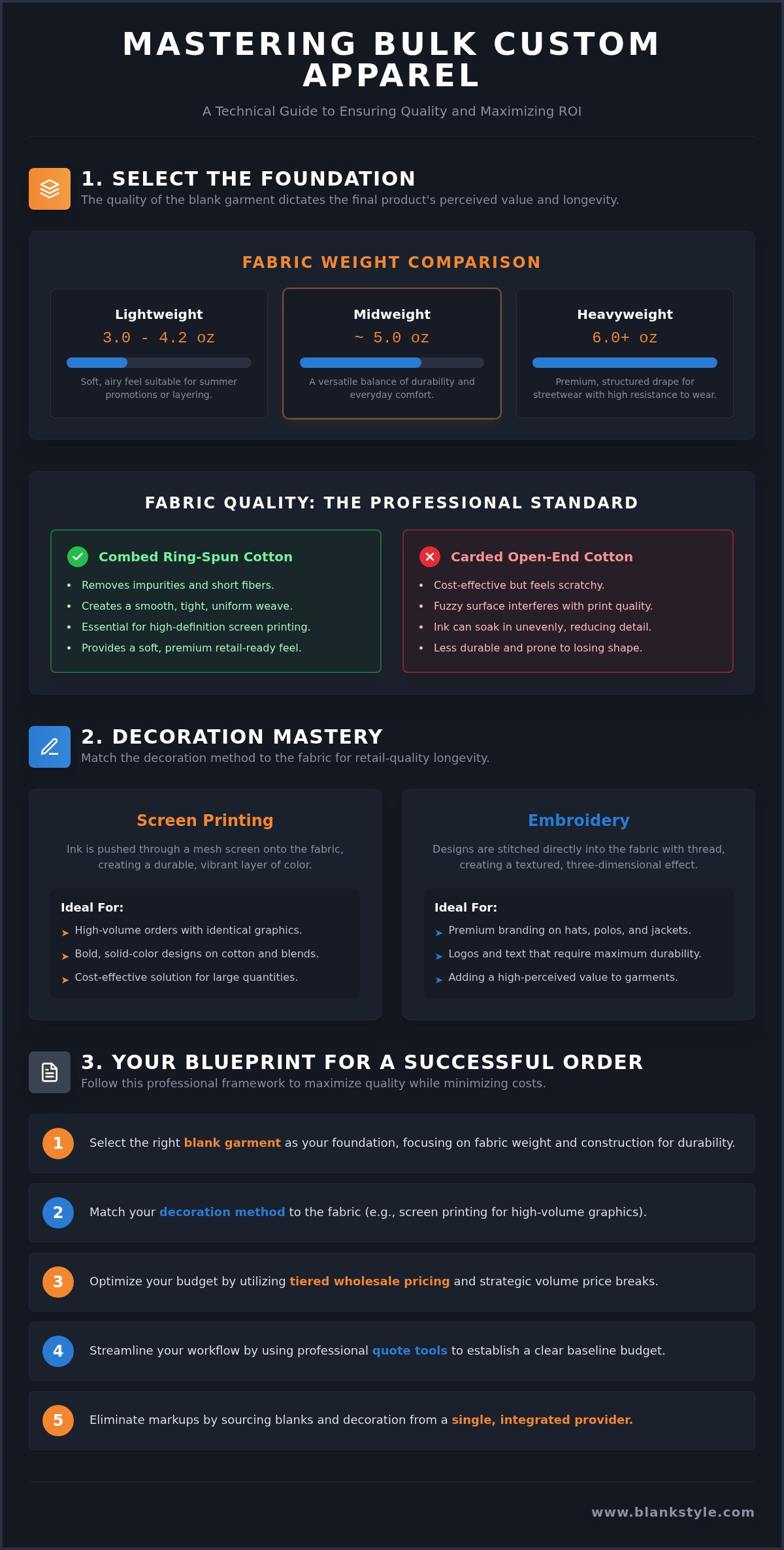
Fabric weight is a primary technical specification. It is typically measured in ounces per square yard or GSM (grams per square meter). Lightweight fabrics, ranging from 3.0 to 4.2 oz, provide a soft, airy feel suitable for summer promotions or layering. Midweight options around 5.0 oz offer a balance of durability and comfort. For a premium streetwear aesthetic, heavyweight t-shirts (6.0 oz and up) provide a structured drape and high resistance to wear. These heavier options often command a higher retail price point because they feel substantial to the end-user.

The refinement of the cotton fiber is equally critical. Carded open-end cotton is cost-effective but feels scratchy and has a fuzzy surface that can interfere with print quality. Combed ring-spun cotton is the professional standard. It undergoes a process that removes short fibers and impurities, resulting in a smooth, tight weave. This smooth surface is essential for high-definition screen printing, as it allows the ink to sit evenly on the fabric rather than soaking into loose, uneven fibers. Utilizing retail-ready brands like Bella + Canvas or Next Level Apparel ensures your bulk custom shirts meet modern consumer expectations for softness and consistency.

Fabric Composition: Cotton, Polyester, and Blends

100% cotton remains the industry gold standard for breathability and traditional ink absorption. It works seamlessly with most printing methods. Polyester and performance blends are engineered for moisture-wicking and athletic use. These fabrics require specialized inks and temperature controls to prevent dye migration, which is when the garment’s color bleeds into the print. CVC (Chief Value Cotton) and Tri-blends offer a “heathered” or vintage appearance. These fabrics provide superior softness and a slight stretch, making them ideal for lifestyle brands that prioritize a premium hand-feel and comfortable fit.

Fit and Style Considerations for Volume Orders

Choosing the right silhouette is a logistical decision. Unisex fits provide broad appeal and simplify sizing for large events. Fashion fits are more tailored, featuring side-seams that prevent the shirt from twisting or losing its shape after washing. You can differentiate your merchandise by incorporating specialty cuts like crop tops for a modern, trend-focused aesthetic. When planning your bulk custom shirts order, a standard “bell curve” distribution is a reliable baseline, though you should adjust based on your specific demographic data to avoid leftover inventory in extreme sizes.

Decoration Mastery: Comparing Screen Printing and Embroidery for Bulk Orders

Choosing the right decoration method for bulk custom shirts is a technical decision based on the garment’s fabric and its intended lifespan. Professional decoration ensures longevity that DIY or low-end transfers cannot match. High-quality prints or stitches should withstand dozens of industrial washes without significant degradation. Before full production begins, the process includes digital proofs or strike-offs. These samples allow you to verify color accuracy and placement against your original artwork. For a deep technical dive into specific printing techniques, consult our Custom Screen Printing Services Pillar.

The decoration method must align with the substrate. For instance, a lightweight cotton tee reacts differently to ink than a polyester performance blend. Selecting the wrong method can lead to issues like dye migration on synthetics or puckering on thin knits. You must also consider legal compliance for finished goods. When preparing your designs for resale, ensure you follow labeling requirements for apparel to maintain industry standards. This transparency builds trust with your end-users and ensures your brand meets federal guidelines for fiber content and care instructions.

A professional partner helps navigate these variables to ensure the final product matches your vision and budget. By understanding the mechanical differences between ink and thread, you can make informed choices that enhance the durability of your apparel.

Screen Printing: The High-Volume Standard

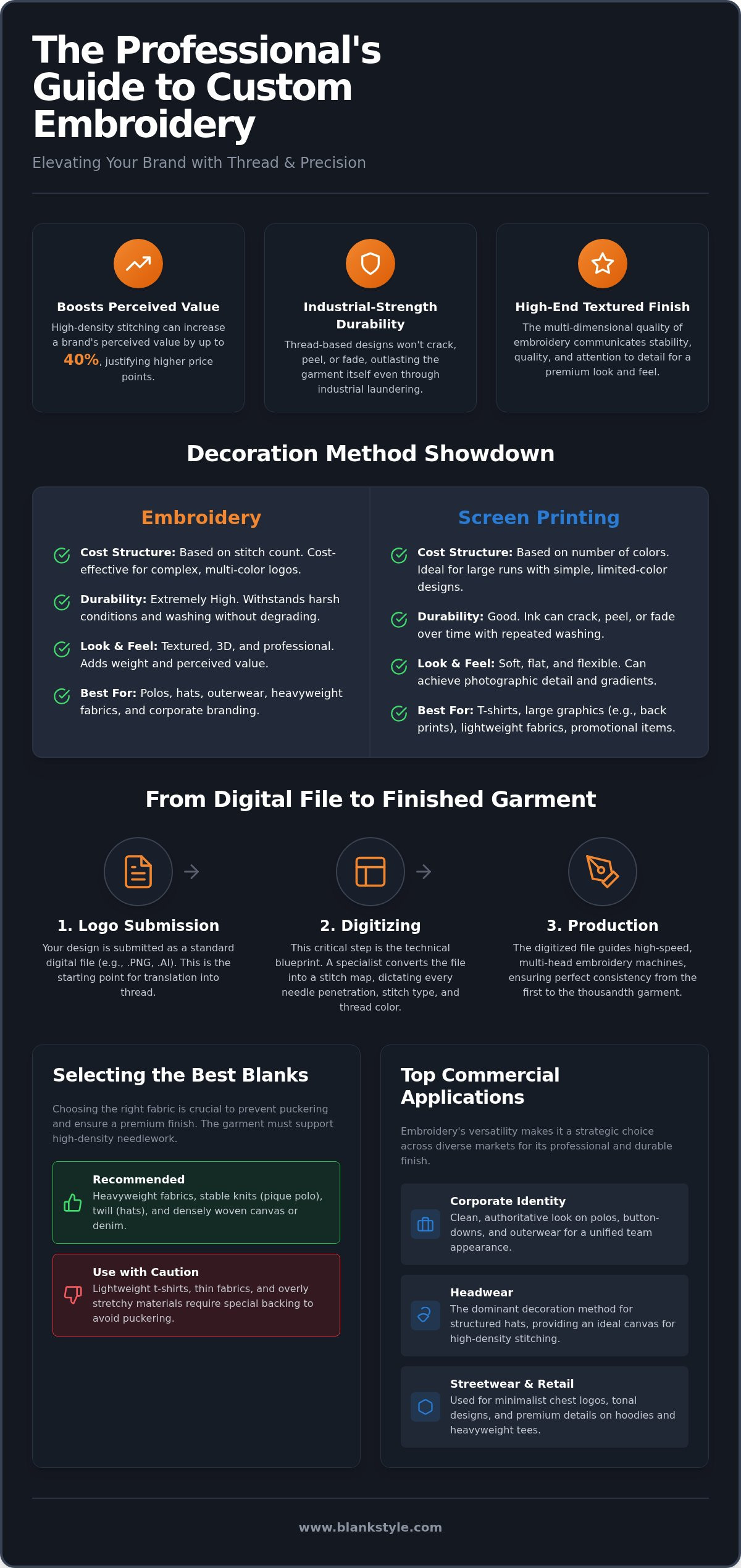
Screen printing remains the high-volume industry standard. The process involves pushing ink through a fine mesh screen directly onto the fabric, creating vibrant, opaque designs. Cost is primarily driven by color count and setup fees. Each color requires a separate screen; therefore, multi-color designs incur higher initial costs. Choosing between Plastisol and water-based inks allows you to prioritize either color opacity or a soft, breathable hand-feel for your bulk custom shirts.

Custom Embroidery: Adding Premium Texture

Custom embroidery adds a premium, three-dimensional texture to structured items like hats or hoodies. It requires digitizing, which converts vector artwork into a machine-readable stitch file. Embroidery is exceptionally durable, often outlasting the garment itself, making it ideal for corporate workwear. It provides a professional aesthetic that increases the perceived value of the merchandise.

You can compare decoration options using our instant quote tool to see how each method impacts your per-unit cost.

Maximizing ROI: Understanding Wholesale Tiered Pricing and Logistics

Return on investment in apparel isn’t solely about finding the lowest price per item. It’s about managing the total landed cost. When you order bulk custom shirts, you’ll encounter the “Price Break” concept. These are specific volume thresholds where the cost per unit drops significantly. It’s a common industry occurrence where ordering 72 units actually results in a lower total bill than ordering 50 units because you’ve moved into a more favorable discount tier. Understanding these breaks allows you to scale your order to maximize value without overextending your budget.

The final per-unit price is a combination of the blank garment cost and the decoration cost. Balancing these two factors is essential for maintaining your margins. Sourcing both the blanks and the decoration from a single provider eliminates middleman markups that often inflate costs. To master these financial strategies, check The Ultimate Guide to Sourcing Wholesale Blank T-Shirts in 2026 for detailed pricing insights.

Decoding Tiered Pricing Structures

Industry standards typically set major price breaks at 12, 36, 72, and 144 units. Beyond these quantities, you often transition from “piece pricing” to “case pricing.” Ordering in full manufacturer increments reduces labor in the warehouse, and those savings are passed to you. You must also account for technical fees that can impact your ROI. These include screen setup fees, digitizing fees for embroidery files, and flash charges for printing light colors on dark fabrics. The American Screen Printing Association provides resources that help professionals understand these technical standards to avoid unexpected expenses during the billing process.

Logistics and Lead Times for National Shipping

Efficient logistics are just as important as the price per shirt. You need to distinguish between production time and transit time. Production covers the days spent in the shop, while transit is the time your order spends with the carrier. Planning your project timeline at least 14 days in advance helps you avoid expensive rush fees. Choosing stocked brands like Gildan ensures faster fulfillment because the inventory is readily available. Overhead is further reduced by utilizing Blankstyle’s free shipping on orders over $69. For brands looking to scale without warehouse costs, drop-shipping solutions can move bulk product directly to your retail locations or end customers.

How to Order Bulk Custom Shirts: The Professional’s Step-by-Step Guide

Step-by-Step: How to Place a Bulk Custom Shirt Order

Ordering bulk custom shirts is a technical operation that demands a structured workflow. Managing a large-scale project requires more than a simple transaction; it involves precise coordination between design specifications and manufacturing capabilities. Utilizing an instant quote tool establishes your baseline budget early in the process. This transparency prevents cost overruns and allows you to adjust garment choices or decoration methods before committing funds. While automated tools provide speed, customer service representatives play a vital role in finalizing technical production details, such as ink density or stitch counts. A 60-day return policy on blank apparel serves as a professional safety net, ensuring you only pay for quality that meets your standards. For businesses that value this level of craftsmanship in their own offerings, you can discover Blackhand Coffee Co and their commitment to excellence for coffee connoisseurs.

Successful production begins with the file type. Screen printing requires vector files, typically in .AI or .EPS formats, because they can be scaled infinitely without losing resolution. Raster files, like JPEGs, often result in jagged edges or blurry prints. Print-Ready Artwork consists of high-resolution vector files with outlined fonts to ensure text renders correctly across different systems. Sourcing the right garment is equally important for brand alignment. You can match your budget and aesthetic to specific brands, such as Comfort Colors for a garment-dyed, lived-in feel, or Shaka Wear for an ultra-heavyweight streetwear silhouette. Choosing the right base ensures the final print looks as intended.

Phase 2: Quoting, Proofing, and Production

The next stage involves balancing costs through the instant quote tool. This allows you to compare different garment and decoration combinations in real-time. Once the order is initiated, the digital proof is your most critical checkpoint. Review this document carefully for placement, print dimensions, and color accuracy. Giving the “green light” on a proof is a binding step in the production cycle. During the actual run, professional decorators implement final quality control measures to verify consistency across a 500-unit run. This ensures the first shirt matches the last in terms of ink opacity and placement. This methodical approach guarantees that your bulk custom shirts arrive exactly as specified.

Ready to start your project? Get an instant quote to establish your production budget today.

Scaling Your Brand with Blankstyle’s Custom Solutions

Scale is a logistical challenge that requires a transition from one-off projects to a sustainable supply chain. Blankstyle functions as a long-term partner for corporate entities and emerging apparel brands. With industry experience dating back to our founding in 2004, we provide the stability needed to manage high-volume production. This allows you to focus on design and marketing while we handle the technical complexities of manufacturing and fulfillment. Our goal is to make the process of ordering bulk custom shirts as predictable and efficient as possible. If you are also looking to expand your brand with high-quality custom pins, read more about how to select the best options for your logo.

Growth often involves moving beyond the standard tee. Diversifying your inventory with sweatshirts or bags increases your brand’s utility for the end-user. Seasonal shifts are the perfect time to introduce hoodies and hats. For those targeting specific niches, kids’ t-shirts offer a way to reach family-oriented markets. Premium brands often select Independent Trading Co for their superior fleece construction, which provides a high-end feel that justifies a premium price point. Expanding your catalog allows you to maximize your reach without finding a new supplier for every product category.

The Blankstyle Advantage: Reliability at Scale

Reliability is the foundation of scale. Our no-nonsense logistics facilitate efficient delivery across the nation, ensuring your bulk custom shirts arrive on schedule. We offer pragmatic support that addresses the needs of both seasoned professionals and those scaling their first youth brand. Centralizing your blank sourcing and custom decoration eliminates middleman markups and simplifies your project management. This efficiency is supported by our 60-day return policy and free shipping on orders over $69, which helps you maintain tight control over your operational overhead. You get the benefits of a large-scale operation while maintaining the individual service required for specific brand projects.

The right partnership turns a complicated process into a repeatable success. Establishing your budget is the first step toward professional-grade apparel. Get an instant quote for bulk custom shirts and start your next project today.

Optimizing Your Custom Apparel Strategy

Successful procurement relies on a synchronized approach to garment selection and decoration logistics. You now have the professional framework to choose high-quality blanks, select the most durable decoration methods, and utilize tiered pricing to protect your bottom line. Ordering bulk custom shirts shouldn’t be a process of trial and error; it’s a technical operation that results in retail-ready merchandise. By aligning your brand’s aesthetic with the right fabric weights and print techniques, you ensure a consistent finished product that meets consumer expectations.

Blankstyle has been a trusted wholesale supplier since 2004, providing the logistical competence needed for large-scale apparel projects. We support your growth with free shipping on orders over $69 and an industry-leading 60-day return policy on blanks. This stability allows you to scale your brand with confidence and precision. Get an Instant Quote on Bulk Custom Shirts and take the first step toward a more efficient, professional supply chain. Your next project is ready for a steady hand and expert execution.

Frequently Asked Questions

What is the minimum order quantity for bulk custom shirts?

Minimums vary based on the specific decoration service. While blank apparel often has no strict minimum, custom screen printing typically requires at least 12 to 24 units to offset setup costs. Embroidery minimums can be lower depending on the project complexity. Utilizing tiered pricing ensures you get the best value as your volume increases. Check the instant quote tool for specific minimums on your chosen garment.

Which file format is best for screen printing artwork?

Vector files are the professional standard for screen printing. Formats such as .AI, .EPS, or high-resolution .PDF allow for infinite scaling without loss of clarity. These files ensure your logo has crisp edges and accurate color separation. Avoid using raster images like JPEGs or PNGs for bulk custom shirts, as these often result in blurry or pixelated prints that fail to meet retail quality standards.

How long does it typically take to receive a bulk custom order?

Standard production and delivery for bulk orders typically takes between 8 and 14 days. This timeline includes the period for artwork approval, garment sourcing, and the physical decoration process. Transit time varies based on your national location relative to the shipping hub. It’s best to plan your project at least two weeks in advance to ensure on-time delivery and to avoid expensive rush fees for urgent deadlines.

Can I mix and match shirt sizes and colors within a bulk order?

You can mix and match different shirt sizes within a single bulk order to accommodate your entire group. Mixing garment colors is also possible as long as the ink color and design remain consistent across the run. If you need to change ink colors, such as white ink on black shirts and black ink on white shirts, a color change fee may apply. This flexibility helps you meet diverse audience needs while maintaining wholesale pricing. For those planning coordinated group outfits, click here to see how Adorb Custom Tees utilizes these options for their matching collections.

Screen printing is the superior choice for bulk custom shirts due to its durability and cost-efficiency at scale. It utilizes thick plastisol or water-based inks that bond deeply with the fabric. Direct-to-Garment (DTG) is better suited for small, one-off orders with complex photographic details. For orders over 24 units, screen printing provides a more vibrant finish and a much lower per-unit cost than digital alternatives.

Does Blankstyle offer free shipping on bulk decorated orders?

Free shipping is available on all orders over $69, including bulk decorated apparel. This policy helps reduce the total landed cost of your project by eliminating standard ground freight charges. Since most bulk orders easily exceed this threshold, you can count on significant logistical savings. This benefit applies to our entire national service area, ensuring that your budget goes toward garment quality rather than shipping overhead.

What should I do if I need a sample before placing a large bulk order?

We recommend ordering a single blank garment to verify the fit, fabric weight, and color before committing to a full production run. This is the most efficient way to ensure the base shirt meets your brand standards. Blankstyle offers a 60-day return policy on blank items, providing a risk-free way to test different styles. For the decoration itself, you’ll receive a digital proof to confirm placement and sizing before printing begins.

Are there extra fees for oversized shirts (2XL+) in bulk orders?

Most apparel manufacturers apply a slight upcharge for oversized garments, typically starting at 2XL and increasing for larger sizes. These plus-size fees reflect the additional fabric and specialized handling required during the manufacturing process. These costs are passed through at the wholesale level. When using the instant quote tool, ensure you enter the specific quantity of each size to see an accurate total that includes these standard industry adjustments.

Custom Screen Printing Services: The Professional Guide to Bulk Apparel Decoration

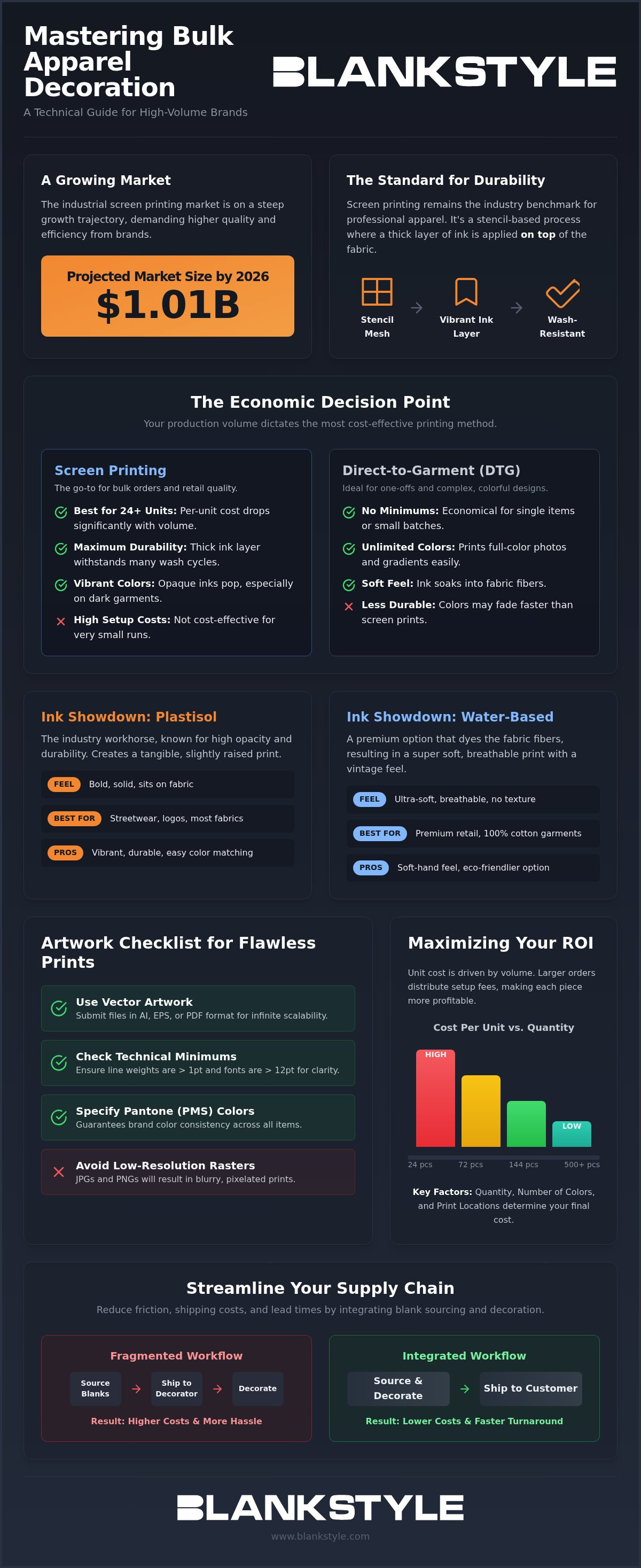
High-performance apparel decoration isn’t just about the ink. It’s the final link in a technical chain that begins with fabric selection and ends with logistical precision. To stay competitive, brands must leverage professional custom screen printing services that prioritize consistency across every unit. With the industrial screen printing market projected to reach 1.0143 billion dollars in 2026, the competition for retail shelf space is tighter than ever. You already know that scaling a brand requires more than a great design. It’s frustrating to receive a bulk shipment only to find inconsistent print quality or blanks that shrink and ruin the artwork after one wash. Hidden setup fees and fragmented sourcing only add to the friction of growing your business.

This guide helps you master the technical and logistical requirements of bulk decoration to build a more profitable apparel brand. We’ll show you how to achieve retail-quality merchandise through better fabric-ink compatibility and predictable tiered pricing. You’ll also learn about critical 2026 regulatory updates, including the California SB 707 registration deadline and new CPSC eFiling requirements for importers. We’ll preview the essential steps to integrate blank sourcing with professional decoration for a seamless, scalable production workflow.

Key Takeaways

  • Learn why stencil-based ink application remains the industry standard for durability and color vibrancy in professional apparel decoration.
  • Identify the specific vector artwork formats required to maintain technical precision and scalability for high-volume production runs.
  • Discover how to match fabric compositions with specific techniques to prevent dye migration when utilizing custom screen printing services.
  • Maximize your profit margins by understanding how volume tiers and the number of print locations impact your final unit costs.
  • Reduce logistical friction and shipping costs by integrating blank apparel sourcing and decoration into a single, streamlined workflow.

The Fundamentals of Custom Screen Printing for Apparel Brands

Professional screen printing is a stencil-based ink application process. The fundamentals of screen printing involve forcing ink through a tensioned mesh screen onto a garment. This method remains the industry standard for durability and color vibrancy because the ink sits in a thick, opaque layer on the fabric. Unlike digital methods that soak into the fibers, screen-printed designs maintain their integrity over time. For brands scaling their operations, utilizing professional custom screen printing services ensures that logos and graphics remain crisp after dozens of wash cycles.

The choice between screen printing and Direct-to-Garment (DTG) is an economic decision based on volume. Screen printing has high initial setup costs due to the labor required to create screens. However, the per-unit cost drops significantly as the order quantity increases. Most brands transition to screen printing once they reach orders of 24 units or more. Technical factors like mesh count also dictate the final result. Higher mesh counts allow for intricate, fine-line detail. Lower mesh counts deposit more ink, which is vital for heavyweight t-shirts to ensure the design doesn’t look thin or transparent.

The Anatomy of a Screen Print Order

Every color in your artwork requires a separate screen. A design with four colors requires four color separations and four individual screens. On dark garments, printers use a “flash” process. This involves heating an underbase layer of white ink before printing additional colors on top. This technique prevents the garment color from dulling the vibrancy of the ink. Because of the labor involved in press calibration and screen burning, a 12-piece minimum is standard for professional-grade setups. Smaller runs aren’t cost-effective for high-volume production schedules.

Plastisol vs. Water-Based Inks

Plastisol is the primary ink used by custom screen printing services. It’s durable, easy to pantone match, and provides the high opacity essential for streetwear brands like Shaka Wear. Water-based and discharge inks offer a “soft-hand” feel by soaking into the fabric fibers. Premium retail brands often prefer water-based inks for a breathable, vintage aesthetic. These inks work best on 100% cotton fabrics where the pigment can properly bond with the material without the risk of dye migration from synthetic fibers.

Technical Precision: Optimizing Artwork for Professional Printing

Professional results depend on the quality of the source file. Custom screen printing services require specific technical parameters to translate a digital image into a physical stencil. If the artwork is flawed, the final print will reflect those imperfections regardless of the quality of the printing press. Ensuring your files are print-ready is the first step toward a successful bulk production run.

Vector vs. Raster: Why File Type Matters

Vector art is the essential standard for high-volume screen printing because it allows for infinite scaling without losing edge definition. Unlike raster images, such as JPEGs or PNGs which rely on pixels, vector files use mathematical paths. When a low-resolution raster file is enlarged, it becomes pixelated and blurry, making it impossible to burn a crisp screen. To convert low-resolution images, designers must trace the paths to create a scalable AI, EPS, or PDF file. This ensures that every line remains sharp, whether it is printed on a pocket or a full back hit.

Managing complex designs requires an understanding of half-tones. These are patterns of small dots that vary in size to simulate gradients and shadows. High-mesh screens are necessary for these designs to prevent the dots from blurring together. For brand consistency, the Pantone Matching System (PMS) is the industry standard. It ensures your brand colors remain identical across different garments, whether you are printing on a Bella Canvas jersey or a thick sweatshirt.

Common artwork pitfalls include lines that are too thin to hold ink. Most professional shops require a minimum line weight of 1pt and a minimum font size of 12pt for legibility. If design elements are too small, the ink will bleed together, resulting in a closed or muddy appearance. Before finalizing your order, check your design for these technical constraints to avoid production delays.

Print Placement and Sizing Standards

Scaling artwork for a range of garment sizes is a logistical challenge. A design that looks perfect on a Large wholesale t-shirt might look too small on a 4XL or too large on an XS. Brands often create two sets of screens to maintain visual balance across the size run. Standard placements include center chest, left chest, and back hits. You must keep artwork within safe zones, avoiding seams, zippers, and collars where the printing surface is uneven. For those looking to start a new project, our instant quote tool can help you calculate costs based on your specific placement and color requirements.

Matching Blanks to Print Techniques: Fabric Compatibility

The success of custom screen printing services depends on the synergy between ink chemistry and fabric composition. Choosing the wrong blank can lead to poor ink adhesion, distorted graphics, or catastrophic dye migration. Professional apparel brands treat the garment as a technical foundation rather than a simple canvas. Understanding how different fibers react to heat and ink deposits is essential for maintaining retail-quality standards across high-volume orders.

100% cotton remains the gold standard for apparel decoration. Natural fibers provide superior ink adhesion and color clarity because the surface is porous and stable. When printing on polyester or performance fabrics, brands face the challenge of dye migration. This occurs when the garment’s synthetic dyes turn into gas during the heat curing process, bleeding into the screen-printed ink. To prevent a white print from turning pink on a red polyester shirt, printers must use specialized low-bleed inks and poly-blocker bases.

Fabric weight, measured in grams per square meter (GSM), also influences the final aesthetic. Heavy ink deposits, typical in streetwear designs, require a stable base to prevent the garment from sagging or puckering. Sourcing heavyweight t-shirts ensures the fabric has the structural integrity to support multi-color designs without compromising the drape of the shirt. Conversely, lightweight fashion tees are better suited for high-mesh counts and thinner ink layers.

Cotton, CVC, and Tri-Blends

  • 100% Cotton: Ideal for vibrant, opaque plastisol prints. It withstands high curing temperatures without scorching.
  • CVC (Chief Value Cotton): These blends are typically 60% cotton and 40% polyester. They offer a durable, cost-effective alternative that holds fine detail well while providing increased wrinkle resistance.
  • Tri-Blends: Composed of cotton, polyester, and rayon. These fabrics are best for achieving a vintage, heathered look. They require thinner ink layers to maintain their signature soft feel.

Brand-Specific Performance

Different manufacturers engineer their fabrics for specific use cases. Sourcing from Gildan is a strategic choice for high-volume, cost-sensitive promotional runs where durability and value are the primary drivers. For brands targeting a premium retail market, Bella Canvas provides Airlume combed and ring-spun cotton that ensures a smooth printing surface with minimal stray fibers. If your brand prioritizes modern fits and a soft-hand feel, Next Level Apparel offers high-quality CVC and jersey fabrics that perform consistently under professional screen printing conditions. Selecting the right brand ensures your wholesale t-shirts align with your target price point and quality expectations.

Custom Screen Printing Services: The Professional Guide to Bulk Apparel Decoration

Maximizing ROI: Pricing Factors and Bulk Ordering Strategies

Screen printing is a volume game. The economic efficiency of custom screen printing services relies on the inverse relationship between order quantity and unit price. High initial setup costs, including screen preparation and press calibration, are spread across more units as the order size grows. For apparel brands, managing the cost of goods sold (COGS) is vital for maintaining healthy profit margins. Sourcing wholesale blank t-shirts directly from your decorator is the most effective way to lower these costs by eliminating double shipping and administrative friction.

Variables like print locations and color counts directly impact your bottom line. Every additional print location, such as a sleeve hit or a back graphic, requires a separate set of screens and a new pass through the dryer. Similarly, the color count is a primary cost driver. A design with five colors requires five screens and five distinct ink setups. Simplifying your palette or using the garment color as a “negative space” element can significantly reduce production expenses without compromising the visual impact of your merchandise.

Understanding Setup and Screen Fees

Setup fees cover the technical labor required to prepare your project for the press. This includes creating film positives, coating screens with light-sensitive emulsion, and burning the images using UV light. Precise press calibration ensures that each color aligns perfectly, a process known as registration. You can maximize your ROI by reusing designs across different garment styles. A single set of screens can often be used for both hoodies and t-shirts if the artwork dimensions remain consistent. This strategy allows you to launch a multi-product collection without paying for duplicate setup labor.

Volume Tiers and Price Breaks

Professional print shops operate on tiered pricing structures where significant “price breaks” occur at specific quantities. Common sweet spots in wholesale ordering include 72, 144, and 500 units. To hit these higher tiers, brands should consolidate orders. You can often mix different garment colors of the same style to reach a higher volume break, provided the ink colors remain the same. If you’re planning a complex brand launch, integrating embroidery services for headwear or outerwear alongside your screen-printed goods can create a cohesive retail presence. Use our instant quote tool to forecast your project budget and identify the most profitable volume for your next run.

Streamlining Your Supply Chain with Integrated Logistics

Logistical efficiency is the backbone of a successful apparel brand. Sourcing blanks and decoration from separate vendors creates unnecessary friction. It increases shipping costs. It extends lead times. Using a single national provider for custom screen printing services eliminates these bottlenecks. This integrated approach removes the middleman between the wholesaler and the printer. It ensures quality control through a unified supply chain. From the initial garment selection to the final fold, every step happens under one roof. This minimizes the risk of errors. It ensures that the final product meets retail standards. A well-oiled supply chain is the difference between a profitable launch and a logistical nightmare. To further enhance your operational speed, find out more about how professional in-house label printing solutions can streamline your shipping and inventory management.

Modern e-commerce requires hands-off fulfillment solutions. High-turnover brands need to scale without the burden of warehouse overhead. Integrating custom screen printing into a drop-shipping model allows for seamless inventory management. You focus on design and marketing while the production hub handles the logistics. This model supports rapid growth from small batches to national distribution. Efficient fulfillment centers manage the transition effortlessly. It allows brands to maintain lean operations while meeting high consumer demand. Digital inventory tracking ensures you never miss a sales opportunity due to stockouts. Scaling your brand becomes a matter of digital coordination rather than physical labor. While managing your brand’s digital growth, ensure your physical headquarters reflects that same modern aesthetic with curated furniture and decor from elevenpast.

Reliability comes from industry experience and logistical competence. Founded in 2004, Blankstyle prioritizes business-to-business efficiency and stability. We provide access to a massive catalog of premium brands, including Comfort Colors and Independent Trading Co. This selection ensures you find the exact fit and fabric for your target audience. Our national logistics network offers free shipping on orders over $69. This reduces your total cost of goods sold. A 60-day return policy on blanks provides additional security for your inventory planning. We understand the technical requirements of high-volume decoration. Our team acts as a steady hand in a fast-moving industry. This level of professional support is essential for brands looking to dominate the apparel market. Get an instant quote for your custom screen printing project today and experience a more efficient supply chain.

Scaling Your Apparel Brand with Precision Logistics

Building a scalable apparel brand requires a shift from creative design to technical execution. Success depends on aligning your vector artwork with the correct fabric composition to ensure lasting durability. By mastering volume price breaks and consolidating your supply chain, you minimize production friction and maximize your profit margins. Professional custom screen printing services provide the consistency needed to compete in a crowded retail market, turning your vision into high-performance merchandise.

Efficiency is the primary driver of growth. Sourcing blanks and decoration from a single provider reduces lead times and eliminates double shipping costs. We offer wholesale pricing for everyone, ensuring your project stays within budget regardless of scale. Orders over $69 qualify for free shipping, and our 60-day return policy on blank apparel provides the flexibility your business needs to manage inventory with confidence. You have the tools and technical knowledge to move forward. Start your custom screen printing order with an instant quote today and take the next step in your brand’s evolution.

Frequently Asked Questions

What is the minimum order for custom screen printing services?

Professional custom screen printing services require a labor-intensive setup process. Most high-volume shops establish a 12-piece minimum to ensure cost-efficiency for the customer. Smaller runs are typically better suited for digital methods like DTG. For apparel brands, reaching higher volume tiers significantly reduces the unit cost of production. Use our instant quote tool to see how different quantities affect your project’s final bottom line and logistical planning.

How many colors can I include in my screen printed design?

You can include multiple colors, but each one requires a separate mesh screen and a distinct setup process. Most automatic presses can handle up to 10 or 12 colors per location. However, increasing the color count raises the total cost of custom screen printing services. Simplifying your palette or using the garment color as a negative space element helps maintain a high-impact design while keeping your production expenses manageable.

Can I screen print on different garment types in the same order?

Yes, you can mix different garment types like t-shirts and hoodies within a single order. This strategy allows you to hit higher volume price breaks across your entire inventory. The primary requirement is that the ink colors and design dimensions must remain identical across all items. If you change the artwork size to fit both a crop top and a heavyweight t-shirt, it will require a separate set of screens. To further expand your brand’s merchandise variety beyond standard printing, you can discover B-BAM! Inc. for their high-quality custom patch options.

Standard production times typically range from 7 to 14 business days after artwork approval. This timeline accounts for screen burning, press calibration, and final quality control checks. Factors like the complexity of the design and current seasonal volume can influence the schedule. We recommend planning your project well in advance of your launch date. Rush options are often available for brands operating on tighter national distribution deadlines.

Does the fabric type affect the quality of the screen print?

Fabric composition is a critical factor in print quality and garment durability. 100% cotton is the industry standard for vibrant results because the fibers bond effectively with the ink. Synthetic fabrics like polyester require low-bleed inks to prevent dye migration. Blends like CVC or tri-blends offer a softer feel but may result in a more heathered look. For materials that are difficult to print on directly, A1 Promotions Ltd. explains how custom patches can serve as a durable and professional branding alternative. Choosing the right blank ensures your design remains crisp through repeated washes.

Maximizing your ROI involves consolidating orders to reach higher volume price breaks. Focus on reducing the number of print locations and colors to minimize setup labor. Sourcing your wholesale blanks and decoration from a single provider also reduces shipping overhead. We offer free shipping on orders over $69, which significantly lowers your total cost of goods sold. Utilizing tiered pricing allows you to scale your brand more profitably.

Can I provide my own blanks for screen printing?

While some shops allow customers to provide their own garments, sourcing blanks directly through your decorator is more efficient. We maintain an extensive catalog of brands like Gildan and Bella Canvas, ensuring technical compatibility with our inks. Providing your own blanks often complicates the logistics and quality control process. Integrated sourcing ensures that any production errors are handled within a single, unified supply chain without unnecessary administrative friction.

How do I ensure my brand colors are matched exactly?

Maximizing your ROI involves consolidating orders to reach higher volume price breaks. Focus on reducing the number of print locations and colors to minimize setup labor. Sourcing your wholesale blanks and decoration from a single provider also reduces shipping overhead. We offer free shipping on orders over $69, which significantly lowers your total cost of goods sold. For those looking to further optimize their local fulfillment and inventory tracking, check out DuraFast Label Company Canada. Utilizing tiered pricing allows you to scale your brand more profitably. Before placing your first large-scale order, review our professional step-by-step framework for ordering bulk custom shirts to avoid common pitfalls and protect your production budget.

Direct to garment, straight from Bryson’s brain and onto custom shirts

Alabama artist Bryson Thurston was kicked out of his high school art class. Now he’s a self-made, full-time artist, known for his bright, poppy colors, whimsical characters, and uplifting spiritual themes. Bryson has been using Blankstyle.com for a little over a year now, printing his colorful illustrations onto equally colorful hoodies and sweatshirts with direct to garment (DTG) printing.

Artist Bryson Thurston surrounded on a river bank by his whimsical art

“I love seeing people wearing my designs and the reactions they get! 

I use my custom printed shirts to promote my art and people just love wearing it! It makes people so happy!”

What is direct to garment shirt printing vs screen printing?

You probably already know the basic idea behind screen printing. Simply put, a design is added to a garment in layers using a separate screen for each color in the design. But, when producing designs with many colors, more layers/screens are needed. When more screens are needed, the production cost increases.

In contrast, DTG works much like your at-home printer, printing the complete design in one pass. Because of this one-step process, DTG t shirt printing can be more cost-effective for our customers like Bryson who want to create apparel with very colorful designs.

Artist Bryson Thurston wearing his art as Direct to Garment print on Cotton Heritage MC1082 Vintage White T Shirt
Artist Bryson Thurston wearing his art as Direct to Garment print on Champion T137 Raglan Baseball Tee

(Bryson is wearing Cotton Heritage MC1082 and Champion T137 above.)

We’re all here for a short time yet we can plant so many seeds in our lifetime.

I use my art to plant seeds of joy, love, healing, and hope, among many others! Those seeds have the potential to grow into something far more beautiful than we ever imagined!

Bryson’s favorites for custom printed sweatshirts?

“I really like the brands Cotton Heritage and Independent Trading Co. They’re both of superb quality and worth every penny.”

Bryson used direct to garment printing on the Cotton Heritage U2690 hoodie and the Independent Trading Co PRM3500 crewneck sweatshirt, both shown here.

Artist Bryson Thurston wearing his art as Direct to Garment print on Cotton Heritage U2690 Sponge Fleece Hoodie
Man on bike wearing beanie and Bryson Thurston art as Direct to Garment print on Independent Trading Co PRM3500 Crew Neck Sweatshirt

Is direct to garment printing right for you?

DTG printing is great for large designs with many colors and is great for printing photographic images onto apparel. However, it’s not without its limitations. Most importantly, DTG must be used with 100% cotton or 100% cotton-faced fabric. Because the ink used is water-based, it cannot adhere to unnatural fibers like polyester.

Which is better, DTG or screen printing?

Learn more about the pros and cons of both printing options HERE. Still have questions? Reach us via chat or by calling 866-792-5265. Our team is available to answer any of your custom printing questions!

Show Bryson some love!

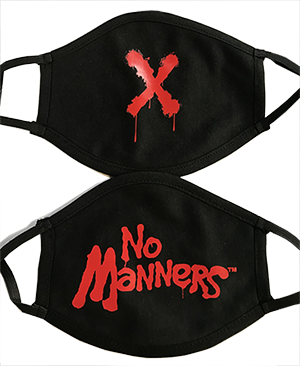
Custom Logo Face Masks by Blankstyle

“Wallet, keys, phone…facemask”

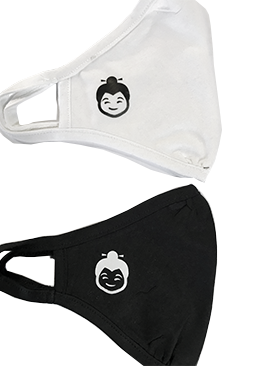
This is the new morning mantra before leaving the house. Now that we find ourselves in this new normal, where face masks are an everyday essential wear, we should also have the option to design our own custom logo face masks right? Customized face masks are great for small businesses, apparel companies, and grocery stores. We have even helped supply custom face masks to US Treasury Banks. Making your own custom printed face mask could not be any easier when you shop at Blankstyle.com

Your Logo, Your Customized Face Mask

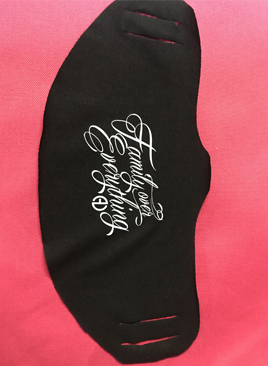
Have a logo already? Awesome! Simply visit Blankstyle Face Masks to view your mask options. You may add your choice of face mask to the shopping cart and select Add Decoration. From there you will be able to upload your own graphic for your face mask. Blankstyle’s art department will generate a digital mock-up for your custom logo face mask and we will not print until you are 100% satisfied with your digital mock up. This way we know that you will be 100% satisfied with your custom face masks. Check out some of these custom face masks we have recently done!

Wholesale Custom Face Masks – Which Do I Choose?

With so many mask options, you might be unsure of which mask to use for your custom printed face mask. At Blankstyle we’re happy to throw you a bone! You might consider this face mask fan favorite ST2020 Face Mask. We have seen a great number of our customers use this mask style time and time again as their go-to for wholesale custom face masks. The ST2020 Face Mask is a 100% cotton 2-ply cloth face mask, which is the perfect selection for those looking to customize face masks themselves. However, Blankstyle is always happy to do the printing for you!

American Apparel Bankruptcy–What We Know

American Apparel Bankruptcy
Courtesy of American Apparel

UPDATE 4/21/2017

Limited stock for select styles is now available for drop ship from the American Apparel warehouse! Drop shipped items will take 24-48 hours to process prior to shipping. Items included in the new stock wave are the infamous kids raglan tee BB253, the 8369 Sleeveless Crop Top and the women’s tri-blend TR301.

The American Apparel wholesale website is back up and revamped, giving anxious buyers a sneak peek into what the future holds for the collection. Ordering is disabled for now but some popular items host a “Coming in May” title.

The popular 2001, BB401, F497, TR401 and BB453 all made the cut! And with new stock available, you’ll want to order ASAP.

Categories for US Made, Unisex, Kids, etc. show a scaled-back version of the line, featuring only the top heavy hitters that customers know and love.

UPDATE 2/27/2017

In a conference call on Feb. 23rd, Chief Executive Officer Glenn Chamandy announced that the American Apparel brand will begin production soon using a mix of contracted US producers and Gildan’s own manufacturing plants outside the country.

The new owners plan to continue producing some key wholesale styles in the US, while other items offered in the line will be produced at their facilities in the Caribbean and Central America. Distribution will be handled via Gildan’s vast network of warehouses.

Chamandy, the head of the company, is optimistic about the future of American Apparel, and looks forward to expanding the brand into new international markets. “We have huge interest from all of our international customers to carry this brand,” he said. “We’re going to continue to support our core Made in the USA business, but we’re also going to offer product where they couldn’t compete before.”

In a statement released on the brand’s wholesale website, Gildan elaborates:

“Gildan and American Apparel share a vision that owning the factories and building responsible practices and sustainable solutions into the manufacturing process is the way to do it right.”

“We anticipate [the transition] to be completed late February.”

1/26/2017

If you haven’t noticed, the American Apparel Bankruptcy has put production on a temporary hiatus. The iconic brand has filed for bankruptcy and is in the process of being bought out by another company. Manufacturing of all items has been suspended for now and with no ETA on when production will pick up, there’s still a lot of questions left unanswered. But here’s the good news–American Apparel will still be around for all your screen printing needs going forward, and stock is still available for the time being.

The popular US-Made brand sold the company in January after filing for Chapter 11 bankruptcy back in November 2016. With over $177M in debt, the company was unable to turn things around after persisting legal battles and another bankruptcy back in October 2015. The sale brought retail giants Amazon and Forever 21 to the table, and in the end a bid for $88M was accepted from Canadian-based Gildan Activewear.

American Apparel Bankruptcy
Courtesy of the Center for Latin American Studies

Gildan, another big name in the wholesale market, has indicated they will assume some of the current manufacturing operations. The company recently acquired Alstyle apparel and has since kept the brand’s manufacturing in Los Angeles. More specific plans are set to be released during a conference call on Feb. 23rd. They expressed no interest in purchasing the company’s retail stores, and with no other buyers on the horizon, doors are closing for good at brick-and-mortar locations across the globe.

With industry experience spanning spanning 30+ years, Gildan is expected to fully pivot the brand towards the wholesale market and dedicate it’s resources to serving that consumer base. It’s unsure how much of the current line will remain after the American Apparel Bankruptcy, but if you’re a wholesale buyer or screen printer who’s had trouble buying American Apparel in the past, things just might get a little easier.

American Apparel Bankruptcy
Courtesy of Teen Vogue

Warehouse closures for both retail and wholesale products have already begun in Southern California–including massive layoffs at the famous American Apparel factory in Downtown Los Angeles. Because of this, stock levels represented on your distributor’s website may not be 100% accurate or up-to-date. Only one thing’s for sure–if you need popular shirts like the 2001, BB401 or BB453–be sure to stock up now while you can!

Stay Tuned for more Updates on the American Apparel Bankruptcy!


See More from Chelsey on Google+


Sources

Gildan will Continue Manufacturing some American Apparel Lines in the US

American Apparel Wholesale

Forbes: American Apparel Agrees To Gildan Activewear Acquisition

Fortune: Bankrupt Retailer American Apparel Begins Laying Off Thousands of Workers

Gildan: Company Overview

Blank T Shirt Templates 6 Must-Haves

Blank T Shirt Templates must have vector packs!

2001 imageso, you’ve got your t-shirts ready to sell on your website but you’re missing one important thing–the product shots and mock-ups. Stop right there! Well rounded images are the number one way to sell your products online because shoppers really depend on the pictures. Cutting corners will only hurt you. Using Blank T Shirt Templates to create free mock-ups of your designs is the first step to start selling your products!

Maybe you’re waiting on the printed shirts to arrive. Maybe your screen printer drop ships to all your customers and you never actually have any tees on hand. Either way, using a t-shirt template is a great way to get a head start on selling. Simply place your vectored design onto the template and edit the t-shirt to match your colors! You can even add a custom background!

Once you’ve designed your mock-ups, put them together in a look book or line sheet to showcase your tees to potential wholesale buyers. Or post them to your website and start pulling in those orders—all before you print your first run!

Vector Blank T Shirt Templates

Blank T Shirt Templates

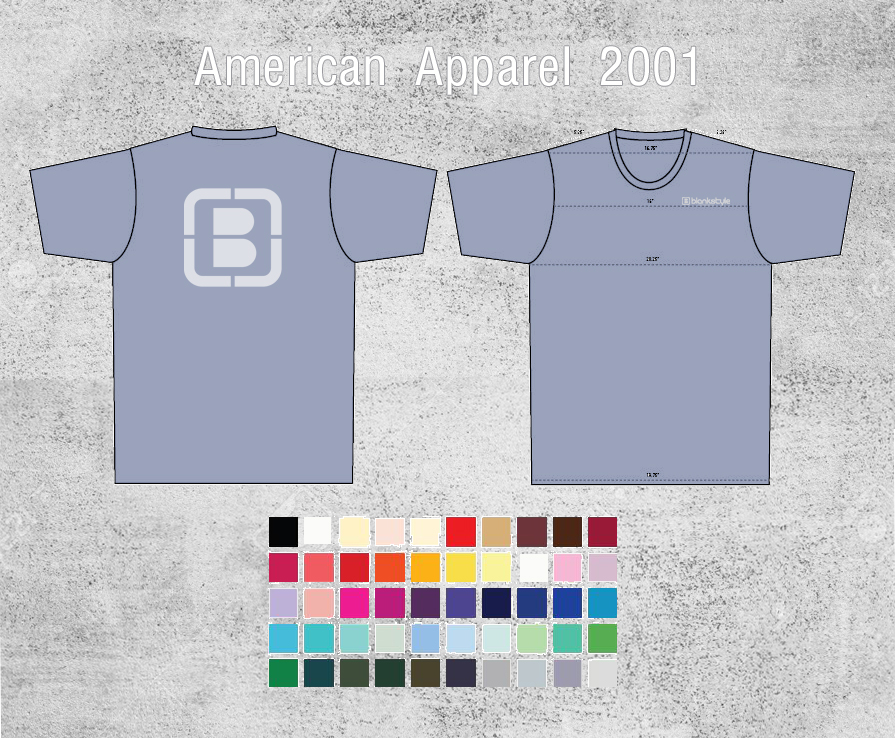
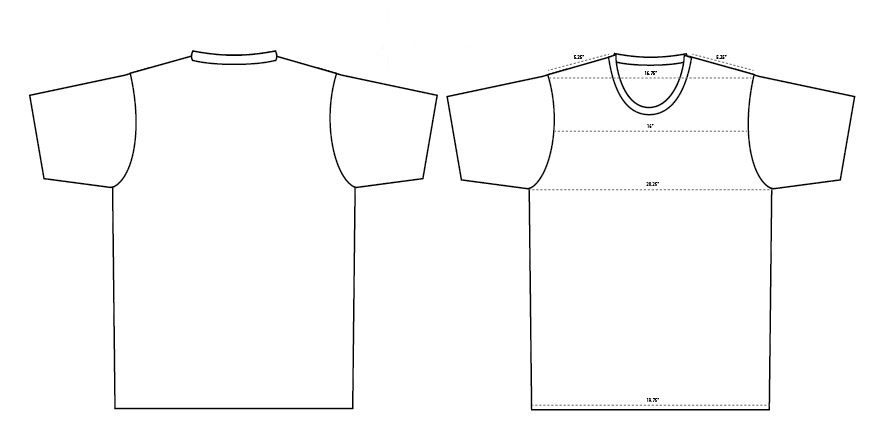
Spec’d Illustrator Template Pack

[download id=”1037″]

Spec Pack Details:

-Includes a free AI file for 1) classic men’s crewneck tee spec’d to the American Apparel 2001 2) classic women’s crewneck tee spec’d to the Next Level 3300L and 3) classic youth crewneck tee spec’d to the Gildan G500B 4) blank polo template spec’d to the Ogio OG122

-Edit file in Illustrator or save as a PDF to edit in other programs

-Change the t-shirt color & layer your designs onto the file

-Ideal for look books, line sheets & catalogs

-Offers a technical view of your product

-Must Have Adobe Illustrator

Realistic Blank T Shirt Templates

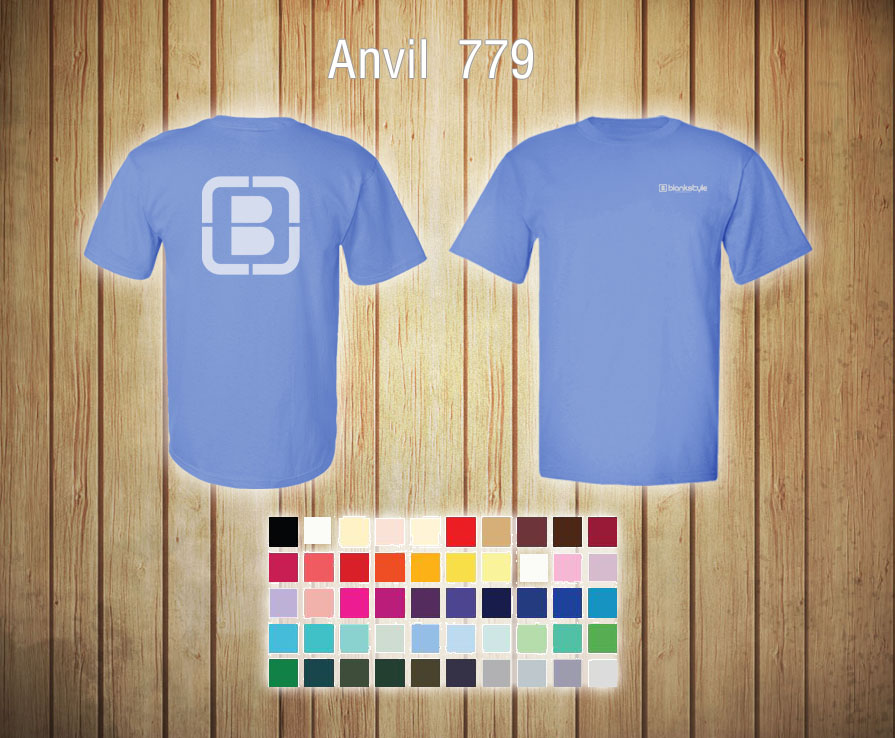
Blank T Shirt Templates Anvil 779

Realistic PNG Pack

[download id=”1040″]

PNG Pack Details:

-Includes free font & back PNG images for 1) classic men’s crewneck tee Anvil 779 2) classic women’s crewneck tee BELLA+CANVAS 6004

-Edit file in various programs

-Change t-shirt color, layer your designs & add a background

-Ideal for product images, promotional material, look books, line sheets & catalogs

-Offers a more realistic depiction without measurements

Design Tool

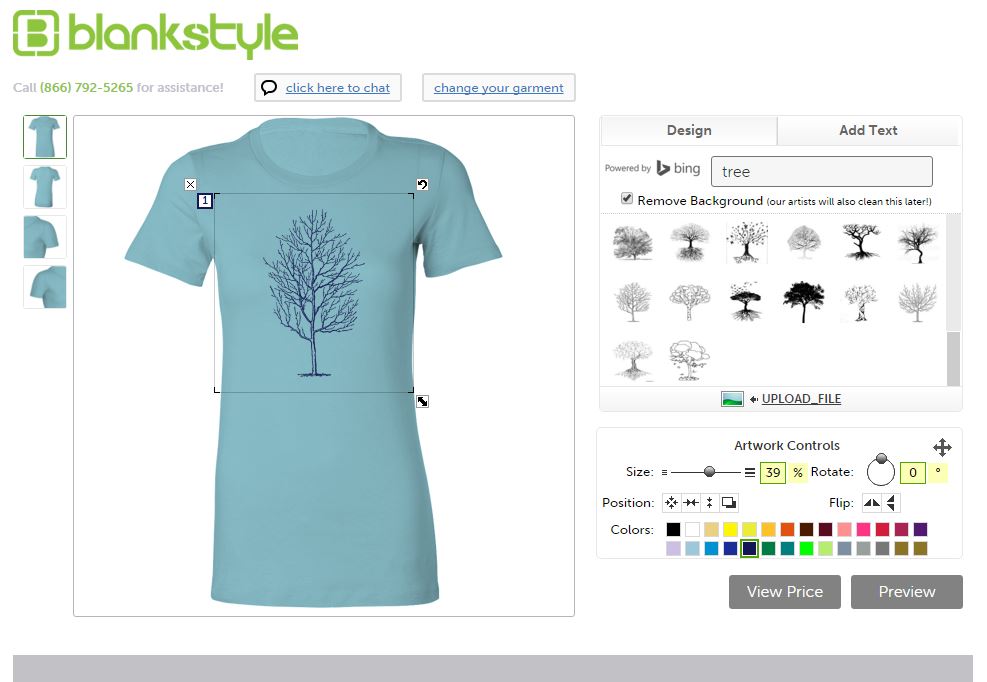
Create your own Blank T Shirt Templates in the Design Tool Next Level 3900

For those of you looking for a screen print price quote but want to see the mock up first, visit our Design Tool! There we’ve got dozens of styles and designs to choose from and you can even upload your own artwork to get a realistic view of how your designs will look. Spend some time toying around with your ideas, then get your price quote when you’re ready. You can even get a 10% discount for checking out through the design tool!


Stay tuned for our next blog–Free Blank Hoodie Templates for Starting Your Clothing Line!

Chelsey on Google+